

A DMC (Destination Management Company) is a travel company based inside a destination that runs everything on the ground there — hotels, vehicles and drivers, permits, guides, sightseeing and on-trip support — usually on behalf of travel agents and tour operators who sell the trip but are not physically present. The agent owns the client and the price; the DMC owns the execution. In India, that means a Himachal DMC based in Himachal, a Kashmir DMC working out of Srinagar, and so on: the value is local contracts, local vehicles and people who can fix a problem the same afternoon.
This guide explains what a DMC does in plain terms, how it differs from a tour operator, a travel agent and an online booking site, how net rates and GST work, and how an Indian travel agent should pick a DMC before handing over a group. It is written by a working DMC, so where the honest answer is “you may not need one”, we say so.
What does DMC mean in tourism?
DMC stands for Destination Management Company. The word that matters is destination. A DMC specialises in one region, sometimes one state, and knows it in a way a company selling fifty destinations cannot: which hotels actually have parking on a hill road, which driver has done the Kinnaur highway in November, which road closes first after snow, and whom to call when it does.
Most DMC work is B2B. A travel agent in Ahmedabad, Kolkata or Dubai sells a Himachal trip to their client, then sends the booking to a DMC in Himachal. The DMC contracts the hotels, assigns the vehicle and driver, arranges permits, and looks after the group from pickup to drop. The client often never hears the DMC’s name — vouchers, itineraries and even the driver’s greeting can run under the agent’s brand. That arrangement is called white-label ground handling.
Many DMCs, Suzu Travels included, also take direct bookings from families, corporate HR teams and wedding planners. The job is the same; only the person holding the client relationship changes.
What is the difference between a DMC, a tour operator, a travel agent and an OTA?
The terms overlap in everyday use, which is why agents get confused when comparing quotes. This is how the roles actually divide:
| Type | Where they sit | What they do | Who they usually serve |
|---|---|---|---|
| DMC | Inside the destination | Contracts hotels and vehicles locally, handles permits and runs the trip on the ground | Travel agents and tour operators (B2B), plus some direct groups |
| Tour operator | Anywhere | Designs and packages tours, often across many destinations, and buys ground services from DMCs | Agents and the public |
| Travel agent | In the traveller’s home city | Sells the trip, handles flights, visas and the client relationship | The traveller directly |
| OTA / aggregator | Online | Lists hotels and packages at scale; rarely has anyone on the ground | The traveller, self-service |
The simplest test: when a landslide closes the road at 4 pm, who physically reroutes the vehicle and rebooks tonight’s hotel? If the answer is “a call centre raises a ticket”, that is not a DMC.
What does a DMC actually handle on the ground?
The list below is what we handle on a typical Himachal booking. A good DMC in any Indian state should be able to describe its own version in the same detail.
- Hotel sourcing and contracting. Direct rates with properties, allocations in peak weeks, and rooming lists — including the unglamorous checks such as whether a coach can reach the gate or the group has to walk the last stretch with luggage.
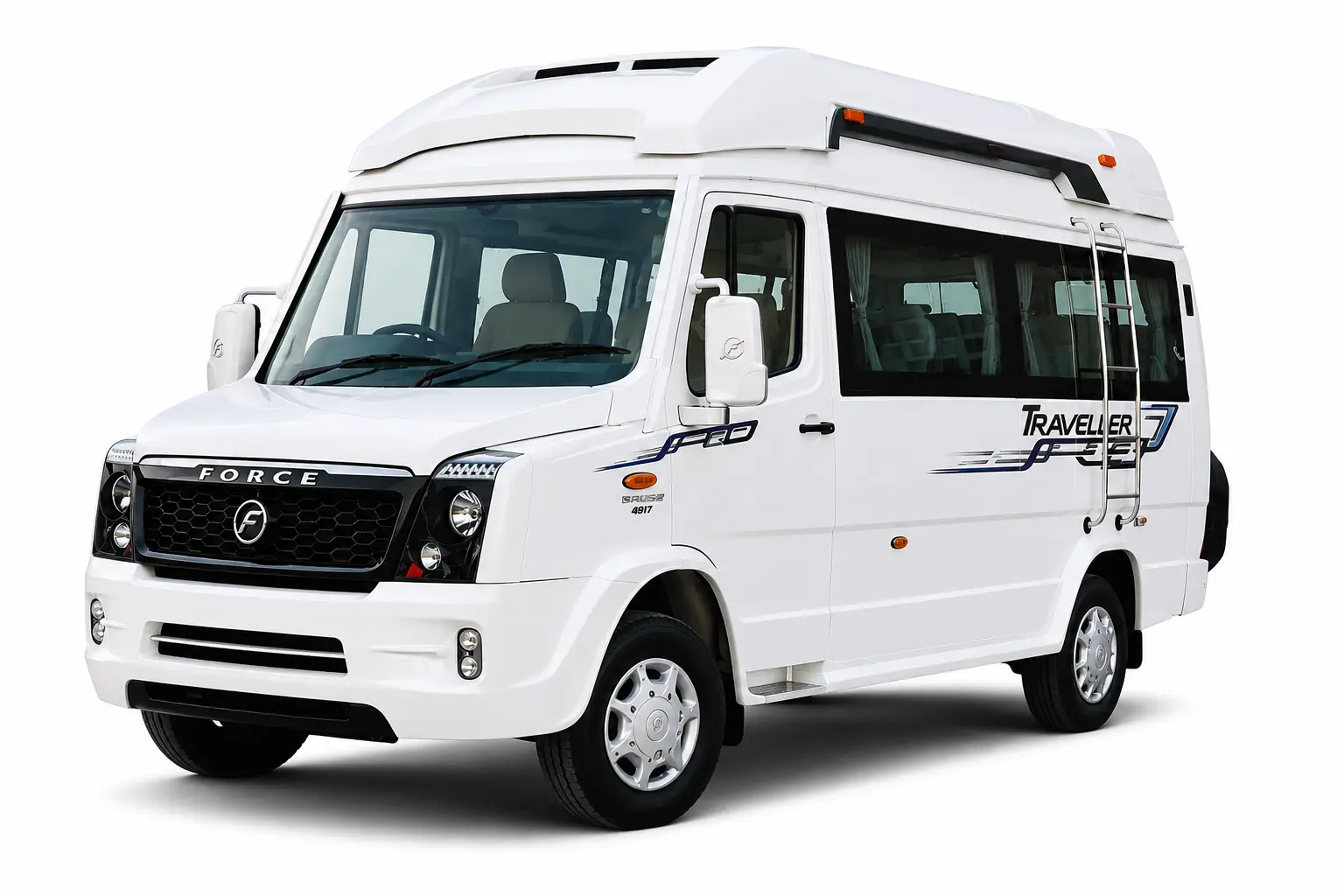
- Vehicles and drivers. Matching the vehicle to the road, not just the headcount. A 17-seater Tempo Traveller is right for Shimla–Manali; a high road in Spiti in shoulder season calls for SUVs and drivers who have run it that same season.
- Permits and entry formalities. Rohtang Pass needs an online vehicle permit with a daily cap, and Himachal charges entry tax on outside-registered vehicles at its border barriers — our Himachal entry tax and permits guide covers the current rules. Foreign nationals also need an Inner Line Permit for the Jangi–Sumdo stretch on the Kinnaur–Spiti road, applied for in person at the issuing district office; Indian citizens need only photo ID at the checkposts.
- Itineraries built on real driving times. Map apps say Manali to Kaza is a single day’s drive; in practice it depends on the Kunzum La road and the season. A DMC plans against what the road really does.
- On-trip operations. One operations contact who tracks the group, handles delays, swaps a vehicle that breaks down, and keeps the agent informed on WhatsApp while the client is still on the road.
- Local extras. Guides, restaurant bookings for large groups, festival logistics such as Kullu Dussehra week, and activity bookings through licensed operators.
How do DMC net rates, margins and GST work?
A DMC normally quotes a travel agent a net rate — the cost of the complete ground package with the DMC’s own margin already inside it. The agent then adds their markup and sells to the client at whatever price they choose. The DMC never sees or contacts the client on price. This is different from a commission model, where a supplier sells at a published price and pays the agent a percentage back; commission is more common with hotels and airlines than with ground handlers.
Three practical points trip agents up:
- Ask what the net rate includes. Driver allowance, tolls, parking, state entry tax, night charges and hill-station surcharges should be listed line by line. A cheap quote that excludes them is not cheap.
- GST on tour packages. Under current rules, a tour operator can charge 5% GST on the full package value without claiming input tax credit, or 18% while claiming credit. Which option your DMC uses changes how the tax shows on your invoice and what you can claim, so ask before comparing two quotes — and confirm your own treatment with your CA. Our guide to DMC net rates, markup and GST works through the arithmetic.
- Payment terms and cancellation. Get the advance amount, balance due date and cancellation slabs in writing before you confirm to your client, especially for Christmas, New Year and long-weekend departures when hotels enforce stricter terms.
We do not publish B2B rates on the website, because a Himachal quote genuinely changes with dates, hotel category, vehicle and group size. Send a live query and you get a costed, day-by-day itinerary back.
Why is a local DMC better than an aggregator for mountain trips?
For a beach resort stay, an online booking engine works well. Mountain destinations are different, for three reasons.
The roads change the plan. Snow, landslides and traffic regulation at Atal Tunnel or Rohtang can rewrite a day’s itinerary. A company with nobody in the state can only apologise; a local operator reroutes and moves the hotel booking.
Vehicle rules are state-specific. A tempo traveller running on an All India Tourist Permit still pays Himachal’s own state levies at the border, and outside drivers who have never driven hill roads in winter are a real safety risk. A DMC with its own fleet and local drivers removes both problems.
Peak weeks are won on relationships. In the last ten days of December, rooms in Manali and Shimla go to operators who contract them every year. An aggregator’s inventory disappears first.
How do you choose a DMC in India? An 8-point checklist
Before you send a group to any DMC — including us — check these:
- Is it actually based in the destination? Many “DMCs” are resellers in Delhi who pass the booking to a local vendor. Ask for the head-office address and check it is in the state.
- State registration. Himachal’s Tourism Development and Registration Act, 2002 provides for registration of travel agents with the state Department of Tourism. Ask for the certificate. The Ministry of Tourism’s approval scheme for tour operators is voluntary, so its absence is not a red flag, but its presence is a plus.
- Own vehicles or subcontracted? Both are workable, but you should know which, and who is accountable when a car does not turn up.
- A named operations contact. Not a generic sales number — a person who will pick up at 10 pm when the group is stuck at a barrier.
- Itinerary realism. Send a draft itinerary and see whether they push back. A DMC that agrees to Delhi–Manali–Rohtang–Kasol in three days is telling you something.
- Line-item inclusions and exclusions, as described above.
- A GST invoice in your company’s name, with the tax option stated.
- References from other agents, ideally ones who have run groups in the same season you are selling.
A sensible way to start is to test a DMC on a small family booking before trusting them with a 40-person series departure.
When do you not need a DMC?
If your client is a couple booking a single hotel in Shimla and driving their own car, a DMC adds little. The value appears when a trip crosses several towns, needs permits, involves more than one vehicle, or runs in winter or monsoon when plans change daily. Groups, corporate offsites, first-time visitors and anyone selling Spiti, Ladakh or Kashmir from outside the region benefit most.
Our DMC coverage
Suzu Travels is headquartered in Ghumarwin, District Bilaspur, registered as a travel agent with the Department of Tourism & Civil Aviation, Government of Himachal Pradesh (Reg. No. DTO-MND-11-243/2022 — see the certificate). Our core operation is the Himachal DMC — Shimla, Manali, Dharamshala, Dalhousie, Kinnaur and the offbeat valleys — and we run dedicated ground handling for the Spiti circuit, as well as Kashmir, Ladakh and Uttarakhand for agents who sell the whole northern belt. For the beach season we also handle Goa ground arrangements for travel agents, from Dabolim and Mopa transfers to New Year hotel blocks, and in the south we work as a Kerala DMC for travel agents, from houseboats to Munnar transfers. If you want to see how a finished itinerary looks, our Shimla Manali package from Chandigarh is a good example of the day-by-day format we white-label for partners.
Frequently asked questions
What is the full form of DMC in travel?
DMC stands for Destination Management Company — a locally based company that arranges and runs hotels, transport, permits, guides and on-trip support in one destination, mostly for travel agents and tour operators.
Is a DMC the same as a travel agent?
No. A travel agent sells the trip and manages the client, usually from the client’s home city. A DMC sits in the destination and delivers the trip. Many agents use a DMC so they can sell a region without having staff there.
How do DMCs earn money?
A DMC includes its margin in the net rate it quotes the agent. The agent adds a separate markup on top when selling to the client, so both earn on the same booking without the client seeing either figure.
Can a travel agent keep their own branding when using a DMC?
Yes. White-label handling is standard: itineraries and vouchers go out under the agent’s name, and the DMC’s team stays in the background during the trip.
Do individual travellers ever book a DMC directly?
Often, especially families, large groups and corporate teams who want one local point of contact instead of booking hotels and cabs separately.
What should I send a DMC to get a quote?
Travel dates, number of adults and children, number of rooms, hotel category, pickup and drop city, and any must-see places. With those six details a DMC can return a costed day-by-day itinerary.
Send us a live query
If you are a travel agent or tour operator selling Himachal, Spiti, Kashmir, Ladakh or Uttarakhand this winter, send your dates, group size and hotel category on WhatsApp or call operations at +91 70874 88961. You can also use our trip enquiry form, and we will come back with a costed, white-label itinerary based on real driving times.