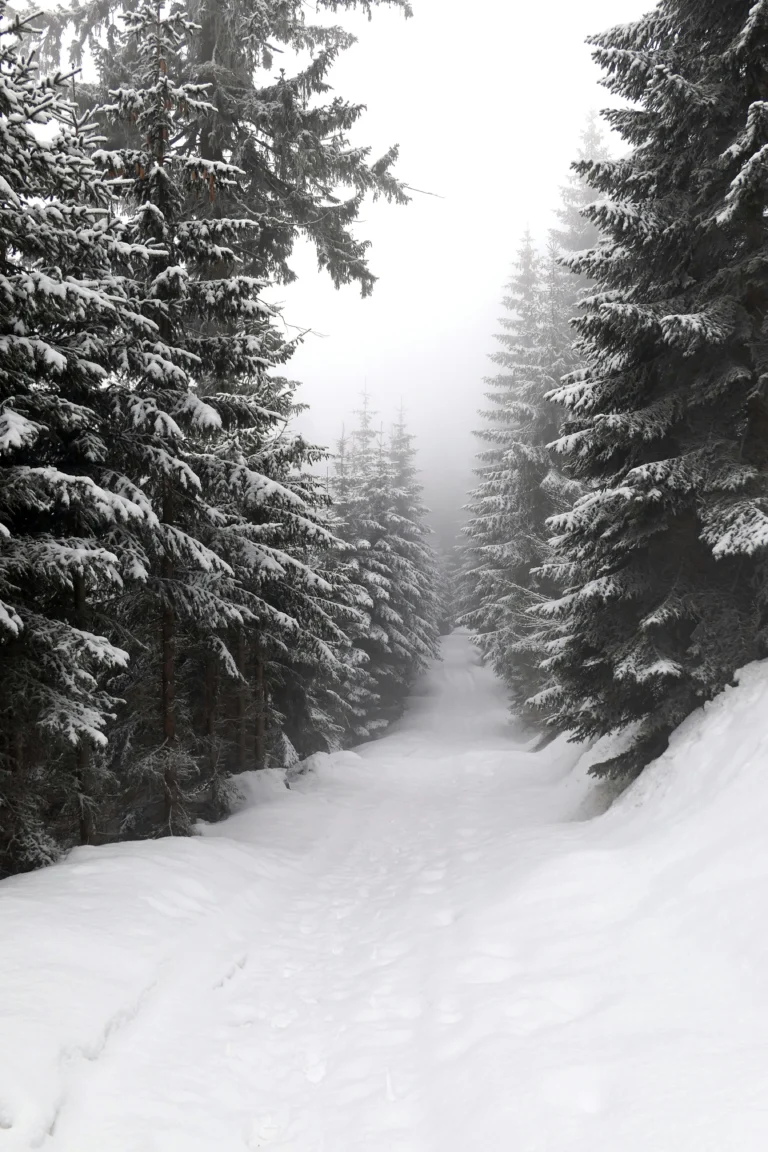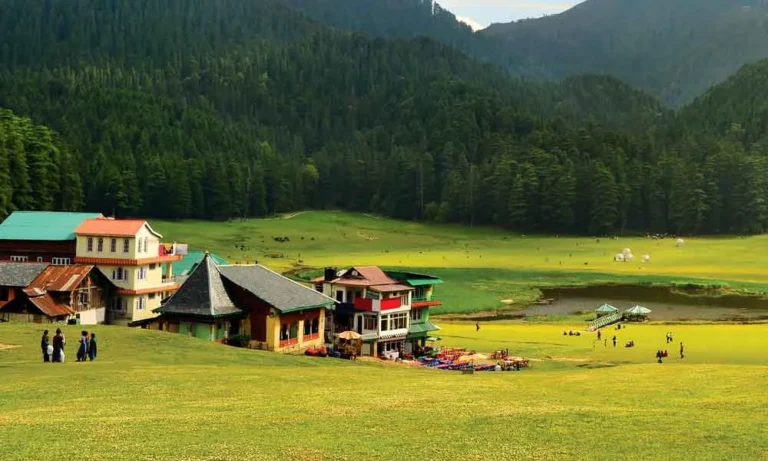

Every year from late October, the same question starts arriving in our inbox: when will it snow in Himachal, and which dates should I book?
The honest answer is that nobody can promise snow on a given date, and anyone who does is selling you something. Snow in the Himalayas depends on western disturbances — moving weather systems that arrive on their own schedule. Cold alone does not make snow; you need moisture too. Some Decembers are bright, dry and bitterly cold with no snow at all.
What you can do is stack the odds in your favour, and build an itinerary that is worth taking even if the snow does not arrive on your dates. That is what this guide is about.
Month by month: what the odds actually look like
November
Early season. The high passes and Lahaul start collecting snow, and you may catch an early spell at Rohtang or Kunzum, but Shimla and Manali towns are usually still dry. Good month for clear mountain views and low crowds, not a snow month. Full week-by-week detail in our Manali in November guide.
December
Possible, especially in the second half — but not dependable. December 2025 was a striking example: Shimla recorded barely any precipitation for much of the month. What December does reliably deliver is atmosphere, Christmas and New Year energy on Mall Road, and the highest hotel rates of the season. If you are booking for the last week of December, book for the experience, not for guaranteed snow. Our Christmas and New Year packages for Manali and Shimla are planned around exactly that, with the snow day at Sissu beyond the Atal Tunnel.
January — the strongest window
If snow is the main reason for your trip, January gives you the best chance. It is the coldest month, western disturbances are most frequent, and existing snow cover lasts longer instead of melting off in the afternoon sun. Shimla’s average January minimum sits around 2.5°C, and heavy spells do occur — 24 January 2026 brought 40mm of precipitation to the region.
The trade-off is road disruption. After a heavy early-February 2026 spell, over 300 roads were blocked across the state. That does not mean every route to Shimla closed, but it does mean you should keep a day of slack in the plan.
February
Still firmly within the season, and often the sweet spot: decent snow odds, thinner crowds than the New Year rush, and softer rates. Fresh snow can melt quickly in sunny spots, so higher elevations hold it better.
March
Town-level snow becomes unreliable, but higher points often keep residual cover well into the month. A good choice if you want snow views and comfortable daytime weather rather than falling snow.
Where to go when the town is dry
This is the single most useful thing to know about a Himachal winter trip. Shimla town sits at about 2,200m. If there is no snow there, you do not cancel — you go higher.
- Kufri (2,510m) — about 20km from Shimla. The default snow point, and the first place to check.
- Fagu (2,500m) — roughly a 45-minute drive, quieter than Kufri and often holds snow just as well.
- Narkanda (2,708m) — 60km out, the highest of the three and the one with actual winter-sports infrastructure. If Kufri is bare, Narkanda is usually the answer.
- Chail — lower and less reliable for snow, but a beautiful, uncrowded alternative when Kufri is packed.
On the Manali side, the equivalent logic applies. Manali town at 2,050m may be clear while Solang Valley has cover (see our guide to snow activities in Manali), and the Atal Tunnel puts Sissu and Koksar in Lahaul within easy reach — genuinely snowbound through most of winter, and no Rohtang permit required.
How to plan so the trip works either way
The travellers who come back happy are the ones who planned for a mountain holiday that might include snow, rather than a snow holiday that might include mountains.
- Keep a buffer day. If a western disturbance hits while you are there, roads clear within a day or two. A rigid schedule turns that into a crisis; a spare day turns it into the best day of the trip.
- Stay two nights minimum in one base. Chasing snow between towns on a tight schedule wastes the hours you would otherwise spend in it.
- Use a local driver. Black ice on hill roads is a genuinely different skill from highway driving. When conditions turn, an experienced hill driver is the difference between an adventure and an incident. This is the main reason we do not recommend self-drive for Himachal in January.
- Book refundable where you can. Especially for the last week of December.
- Pack for cold, not for photos. Layers, waterproof shoes with grip, gloves, and a cap. Rented snow boots at the snow points are fine for an hour, not for a day.
Which base suits you
Shimla and around
Easiest access — the shortest drive from Delhi and Chandigarh, and the toy train if you want a slower arrival. Best for families with small children and older parents. Kufri, Fagu, Narkanda and Chail give you four different snow options within a couple of hours. On clear, freezing mornings from December to February you can also skate on Shimla’s open-air rink — see ice skating in Shimla. See our Shimla tour packages.
Manali and Lahaul
Better for people who want to be in the snow rather than near it. Solang for activities, the Atal Tunnel for Lahaul, Old Manali for cafés. Longer drive, more reward. See our Manali tour packages.
Spiti in winter
A different category altogether — temperatures down to -25°C at night, one open route, basic homestays. Extraordinary if you are prepared, miserable if you are not. We have written a separate guide on winter Spiti.
Jibhi, Tirthan and the quieter valleys
Lower snow odds, but far fewer people and a much more relaxed pace. Worth considering if the crowds at Kufri in January are what you are trying to avoid — see our Jibhi and Tirthan itinerary.
Frequently asked questions
Which month has the highest chance of snowfall in Shimla?
January. It is the coldest month with the most frequent western disturbances, and snow that falls tends to stay on the ground longer than it does in December or March.
Will I definitely see snow if I come in January?
No, and it is worth being clear about that. January gives you the best odds, not a guarantee. Plan a trip you will enjoy either way, and treat snowfall as the bonus it is.
Where can I find snow near Shimla if the town is dry?
Kufri first, then Fagu, then Narkanda — each one higher than the last. Narkanda at 2,708m is the most reliable of the three.
Is it safe to drive to Shimla or Manali in January?
Main highways are cleared quickly, but black ice is a real hazard on hill sections, particularly early morning and after dark. We strongly recommend a local driver over self-drive in peak winter.
Do I need a Rohtang permit to see snow near Manali?
Not usually. Solang Valley needs no permit, and the Atal Tunnel route to Sissu and Koksar reaches deep snow without a Rohtang permit. Details in our Himachal permits guide.
When do hotel rates peak?
The last week of December, by a wide margin. Mid-January and February offer better value with better snow odds.
Planning your winter trip
We are based in Himachal, and through the winter our team is on these roads every week. That means when you ask us where the snow actually is in the third week of January, the answer comes from a driver who was there yesterday rather than from a blog written in summer.
Tell us your dates and who is travelling, and we will put together a Himachal winter itinerary that has a good plan for snow and a good plan for no snow. Both matter.
Travel agents and tour operators selling Himachal this winter can work with us directly as a Himachal DMC — B2B net rates, our own fleet with hill-experienced drivers, hotel contracting and permits, all white-label. For the Kinnaur and Kaza circuit specifically, see our Spiti DMC desk.