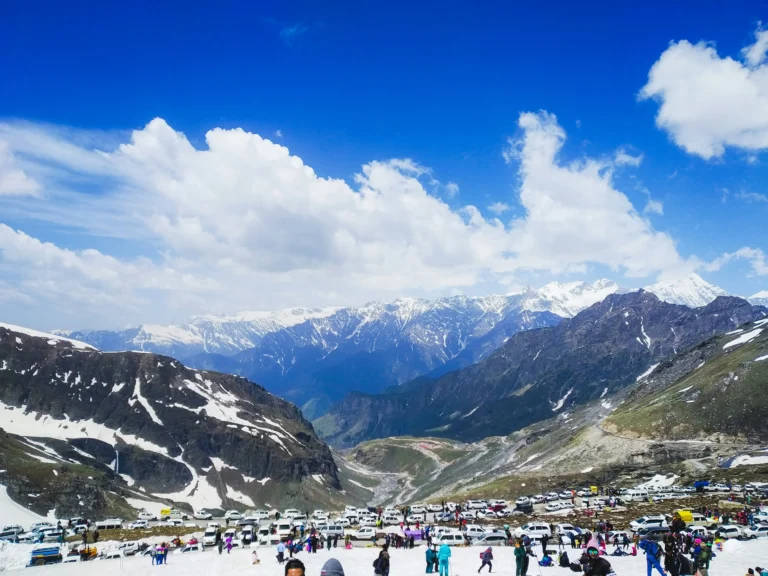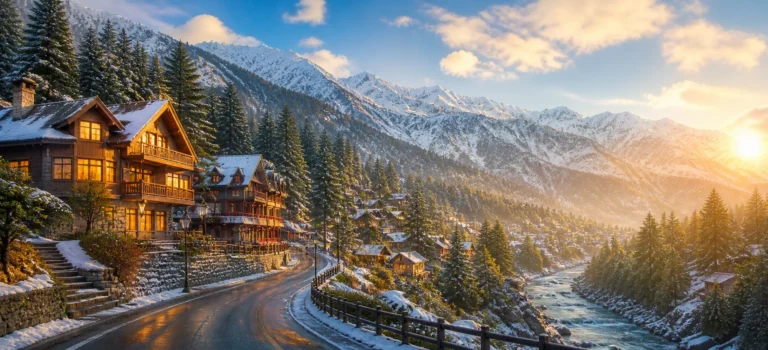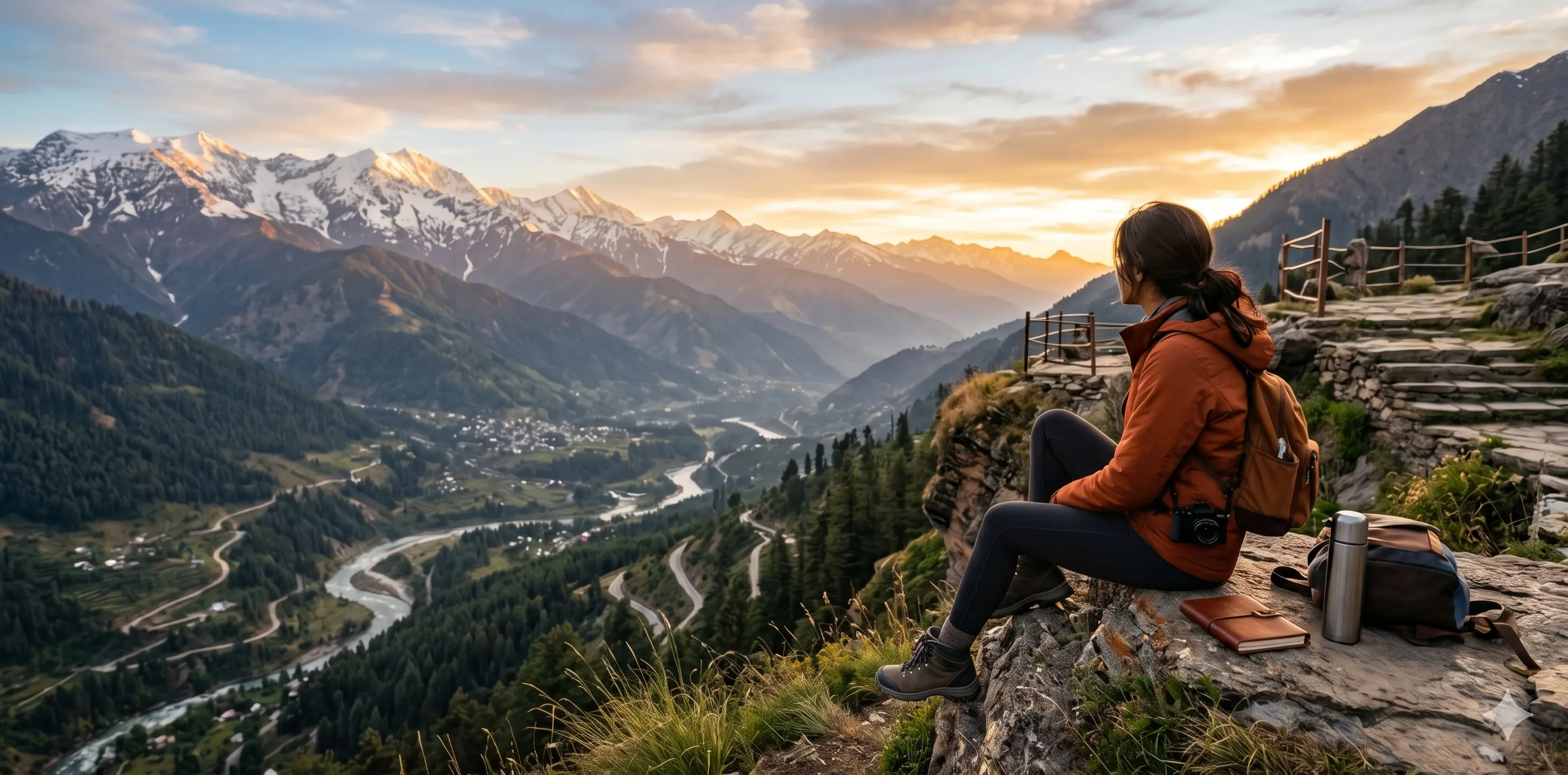

Imagine waking up to the sound of a mountain stream, walking through pine forests, and spending the evening in a cozy wooden cottage surrounded by quiet Himalayan villages.
That is the charm of Jibhi and Tirthan Valley.
Away from the busy streets of Manali and Shimla, this beautiful corner of Himachal Pradesh offers a slower and more peaceful mountain experience. Waterfalls, forest trails, traditional wooden architecture, the Tirthan River and spectacular viewpoints around Jalori Pass make the region ideal for travellers looking to reconnect with nature.
A well-planned 4-day Jibhi and Tirthan Valley itinerary allows you to experience the area’s major highlights without turning the trip into a nonstop sightseeing schedule.
From Jibhi Waterfall and Serolsar Lake to Chehni Kothi and the Tirthan Valley Ecozone, this guide covers the best places to visit, a practical day-by-day itinerary, the best time to travel, important travel tips and how to plan a customized Jibhi & Tirthan holiday in 2026.
Jibhi & Tirthan Valley Trip at a Glance
| Travel Factor | Details |
|---|---|
| Duration | 4 Days / 3 Nights |
| Starting Point | Delhi / Chandigarh |
| Nearest Airport | Kullu–Manali Airport, Bhuntar (KUU) |
| Nearest Major Railhead | Chandigarh |
| Key Attractions | Jibhi Waterfall, Jalori Pass, Serolsar Lake, Chehni Kothi & Tirthan Valley |
| Best For | Couples, Families, Friends & Nature Lovers |
| Travel Style | Private & Customized |
Is 4 Days Enough for Jibhi & Tirthan Valley?
Yes — 4 days works well for a first trip, provided the route is planned efficiently.
During four days, you can experience:
- Jibhi Waterfall
- Jalori Pass
- Serolsar Lake
- Tirthan River
- Chehni Kothi
- Tirthan Valley nature trails
- GHNP Ecozone experiences where permitted
However, travellers driving directly from Delhi should remember that the journey involves long hours on the road, especially on the mountain sections.
If you prefer a slower holiday with more time for riverside relaxation, village walks, cafés and nature trails, extending the trip to 5–6 days would be more comfortable.
Complete 4 Days Jibhi & Tirthan Valley Itinerary
Day 1: Delhi / Chandigarh → Jibhi & Jibhi Waterfall
The journey begins early as you leave the city behind and head towards the mountains.
Morning
Start early from Delhi or Chandigarh and drive towards Jibhi via the Chandigarh–Mandi–Aut route.
The route takes you through Mandi and Aut before continuing towards Banjar and Jibhi.
Travel Tip for Delhi Travellers
If you are driving from Delhi, expect a long travel day. Starting early helps you cover the highway section before traffic builds up and gives you more daylight for the mountain roads.
Avoid rushing through the final mountain section, particularly if you are unfamiliar with Himalayan driving.
Late Afternoon / Evening
After reaching Jibhi, check into your wooden cottage, boutique homestay or mountain resort.
Once you’ve settled in, take an easy walk towards the famous Jibhi Waterfall.
The waterfall is surrounded by forest and traditional wooden structures, making it one of the most photogenic spots in the village.
Spend the rest of the evening exploring the peaceful surroundings or relaxing at a local café.
Overnight
Jibhi
Day 2: Jalori Pass & Serolsar Lake
Day 2 is the most adventurous part of the itinerary.
Morning – Drive to Jalori Pass
After breakfast, drive towards Jalori Pass, a spectacular mountain pass surrounded by dense forests and Himalayan landscapes.
The pass is a popular starting point for hikes and nature experiences in the region.
Serolsar Lake Trail
From Jalori Pass, begin the forest trail towards Serolsar Lake.
The trail passes through beautiful Himalayan forest landscapes, including oak and rhododendron vegetation, before reaching the peaceful lake and the Buddhi Nagin Temple.
This is a proper mountain hike rather than a roadside sightseeing stop, so allow several hours for the experience and return journey.
Carry:
- Water
- Snacks
- Comfortable hiking shoes
- A light jacket
- Basic rain protection
Evening
Return to Jibhi after completing the hike.
Spend a relaxed evening at your accommodation. If your property offers it, enjoy a cozy bonfire surrounded by the mountain atmosphere.
Overnight
Jibhi
Important Winter Note: Jalori Pass receives heavy snowfall during winter and road accessibility can be affected. Himachal Tourism notes that the pass remains closed to traffic during the winter period, generally from December to March. Always check the latest local road conditions before planning this excursion.
Day 3: Jibhi → Tirthan Valley & Chehni Kothi
After two days around Jibhi, it’s time to slow down and experience the peaceful side of Tirthan Valley.
Morning
Check out from your Jibhi accommodation and drive towards Tirthan Valley.
The landscape gradually changes as you follow the Tirthan River, with forests, mountain villages and riverside stays appearing along the route.
The Tirthan River is also known for its trout waters and attracts travellers interested in nature, fishing and peaceful mountain experiences.
Afternoon – Chehni Kothi
Visit Chehni Kothi, a traditional Himalayan tower structure known for its distinctive Kath-Kuni architectural style.
The structure showcases traditional construction techniques using layers of stone and timber.
The approach involves walking, so comfortable footwear is recommended.
Late Afternoon – Tirthan Riverside Experience
Continue towards areas around Gushaini or Sai Ropa and spend some time beside the Tirthan River.
You can enjoy:
- Riverside walks
- Forest surroundings
- Mountain photography
- Local cafés
- Quiet village trails
- Relaxing by the river
Tirthan Valley is particularly suited to travellers who prefer slow travel rather than crowded sightseeing.
If you are interested in trout fishing, remember that fishing is regulated and requires the appropriate licence and compliance with local rules.
Overnight
Tirthan Valley – Gushaini / Sai Ropa
Day 4: Tirthan Valley Nature Experience → Return Journey
Rather than trying to cover too many attractions on your final morning, keep the last day relaxed.
Option 1 – Tirthan Valley Ecozone / GHNP Experience
Take a permitted nature trail in the Tirthan Valley Ecozone or designated areas around the Great Himalayan National Park.
The Great Himalayan National Park Conservation Area is a UNESCO World Heritage Site and is known for its exceptional Himalayan biodiversity.
Access to protected areas and trekking routes is regulated, so visitors should follow current local permissions, entry requirements and guide regulations.
Option 2 – Chhoie Waterfall
If your schedule and local trail conditions allow, you can explore Chhoie Waterfall for a shorter nature experience.
The trail offers a beautiful combination of forest, streams and mountain scenery.
Afternoon
After breakfast and your morning experience, begin your return journey towards Chandigarh or Delhi.
If returning directly to Delhi, plan adequate breaks and avoid rushing through the mountain sections.
Jibhi vs Tirthan Valley: Which One Should You Visit?
Both destinations offer something different.
| Jibhi | Tirthan Valley |
|---|---|
| Jibhi Waterfall | Tirthan River |
| Cozy cafés | Peaceful riverside stays |
| Wooden cottages | Riverside homestays |
| Jalori Pass access | Forest & nature experiences |
| Village atmosphere | Slow-travel experience |
| Great for short trips | Great for longer, relaxed stays |
Our Recommendation
Don’t choose between them — combine both.
Jibhi gives you waterfalls, cafés, village walks and easy access to Jalori Pass, while Tirthan Valley offers peaceful riverside stays, forests and a slower Himalayan experience.
Together, they make an excellent 4-day Himachal getaway.
Customized Jibhi & Tirthan Valley Tours with Suzu Travels
Want to explore Jibhi and Tirthan Valley without worrying about mountain driving, remote accommodation and itinerary planning?
At Suzu Travels, we create customized Himachal holidays according to your travel dates, group size and preferred travel style.
We can arrange:
- Private Mountain Cabs: Sedan, Ertiga, Innova Crysta and Tempo Traveller options, subject to availability.
- Experienced Drivers: Drivers familiar with Himalayan mountain routes.
- Handpicked Stays: Wooden cottages, riverside homestays, boutique stays and family-friendly resorts.
- Customized Itineraries: Flexible plans for couples, families, friends and private groups.
- Sightseeing Assistance: Help with local sightseeing and activity planning.
👉 Contact Suzu Travels today for a customized Jibhi & Tirthan Valley travel plan!
Best Time to Visit Jibhi & Tirthan Valley
March to June – Spring & Summer
One of the best periods for exploring the region.
You can expect:
- Pleasant mountain weather
- Green landscapes
- Flowing streams
- Comfortable hiking conditions
- Beautiful forest trails
This is a particularly good season for travellers interested in sightseeing, hiking and outdoor activities.
July to August – Monsoon
The valley becomes lush and green during the monsoon.
However, heavy rainfall can affect:
- Mountain roads
- Hiking trails
- River crossings
- Local sightseeing
If travelling during monsoon, keep your itinerary flexible and check current weather and road conditions before departure.
September to November – Autumn
Autumn brings crisp mountain air and beautiful landscapes.
It is a great period for:
- Photography
- Forest walks
- Clear mountain views
- Peaceful stays
- Comfortable sightseeing
December to February – Winter
Winter transforms Jibhi and the surrounding mountains into a quieter, colder landscape, with snowfall possible in higher areas.
However, Jalori Pass can become inaccessible because of heavy snowfall, so don’t build your winter itinerary around crossing the pass without checking current conditions.
Essential Jibhi & Tirthan Valley Travel Tips
1. Check Jalori Pass Road Conditions
Don’t assume Jalori Pass will be accessible simply because you are travelling during the shoulder season.
Snowfall and weather conditions can affect the road. Always verify the latest local road status before departure.
2. Carry Some Cash
ATMs and digital payment connectivity can be less reliable in remote mountain areas.
Carry enough cash for:
- Small cafés
- Local transport
- Homestays
- Parking
- Local activities
3. Wear Proper Footwear
Good walking shoes with decent grip are strongly recommended for:
- Serolsar Lake
- Chehni Kothi
- Waterfall trails
- Forest walks
4. Pack in Layers
Mountain temperatures can change quickly.
Carry:
- Light fleece
- Warm jacket
- Comfortable trousers
- Walking shoes
- Rain protection
- Sunglasses
5. Download Offline Maps
Mobile connectivity can become unreliable in remote areas and forest trails.
Download important maps and travel information before leaving the main towns.
6. Respect the Environment
Jibhi and Tirthan Valley are popular because of their relatively peaceful natural surroundings.
Help preserve them by:
- Avoiding littering
- Carrying your waste back
- Avoiding loud music near villages and forests
- Not disturbing wildlife
- Avoiding plastic near rivers and waterfalls
Frequently Asked Questions
How far is Jibhi from Delhi?
Jibhi is roughly 500 km from Delhi by road, although the exact distance and travel time depend on your starting point, route, traffic and road conditions.
Because the final section involves winding Himalayan roads, the journey can take considerably longer than the distance alone suggests.
Is Jibhi good for a 4-day trip?
Yes. Four days is enough to experience the major highlights of Jibhi and Tirthan Valley, including Jibhi Waterfall, Jalori Pass, Serolsar Lake, Chehni Kothi and the peaceful riverside areas of Tirthan Valley.
Which is better: Jibhi or Tirthan Valley?
Jibhi is ideal for waterfalls, cafés, wooden cottages and Jalori Pass access, while Tirthan Valley is better for riverside stays, nature walks, forests and a peaceful mountain experience.
For a complete experience, combining both is the better option.
Is Jalori Pass open throughout the year?
No. Jalori Pass can become inaccessible during winter because of heavy snowfall. Himachal Tourism currently notes seasonal closure from December to March. Always check the latest road conditions before travelling.
Is the Serolsar Lake trek difficult?
The Serolsar Lake trail is a mountain hike and requires reasonable fitness. It is not a simple roadside attraction.
Allow several hours for the return journey and carry proper footwear, water and weather-appropriate clothing.
Can I visit the Great Himalayan National Park during this trip?
Yes, but access to protected areas is regulated.
For many travellers, exploring a permitted Ecozone nature trail around Tirthan Valley is a practical option. Check current local permissions and access requirements before entering protected areas.
Can I go trout fishing in Tirthan Valley?
Tirthan Valley is known for its trout waters, but fishing is regulated and requires the appropriate licence.
Check the latest local fishing rules and permitted areas before planning a fishing activity.
How can I book a customized Jibhi & Tirthan Valley tour?
You can contact Suzu Travels for customized itineraries, private cab transfers, accommodation and sightseeing arrangements based on your preferred dates and travel style.
Plan Your Jibhi & Tirthan Valley Getaway with Suzu Travels!
Sometimes the best Himalayan holiday isn’t about visiting as many places as possible.
It’s about waking up beside a river, walking through a pine forest, sitting in a wooden cottage and enjoying the mountains without rushing from one attraction to another.
That’s the experience Jibhi and Tirthan Valley offer.
At Suzu Travels, we create customized Himachal holidays for:
- Couples & Honeymooners
- Families
- Friends & Groups
- Solo Travellers
- Private Tours
From Jibhi Waterfall and Jalori Pass to the peaceful riverside landscapes of Tirthan Valley, we’ll help you plan a comfortable Himalayan escape around your travel preferences.
👉 Contact Suzu Travels today to customize your Jibhi & Tirthan Valley holiday!
Suzu Travels – Your Tour Planner
Customized travel options available with suitable stay and transport choices.
Related Travel Guides & Tour Packages
- Himachal Pradesh in Monsoon 2026
- Delhi to Spiti Valley Road Trip 2026
- Kasol to Jibhi Travel Guide
- Kashmir Tour Package 6 Days Itinerary
- Himachal Tour Packages