

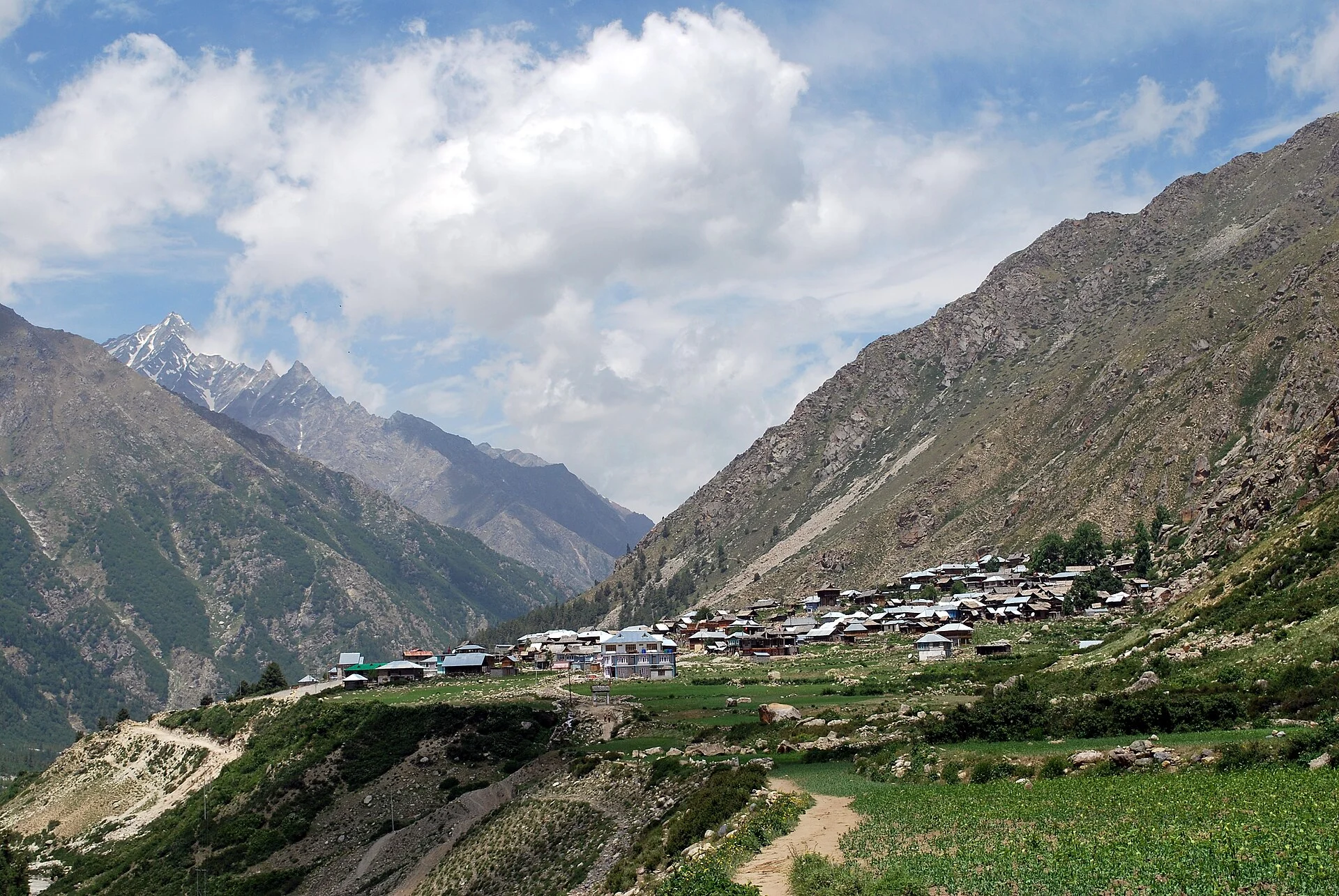
Chitkul: the last village on the Baspa
Wooden Kinnauri houses, a centuries-old temple to Mathi Devi and the clear Baspa river at the end of the road beyond Sangla — the last inhabited village before the Indo-Tibet border on this side, about 250 km from Shimla.
- ~3,450 m altitude
- ~28 km from Sangla
- ~250 km from Shimla
- Apr–Jun · Sep–Oct best months
Photo: Vachadave, Public domain
Updated November 2026 · HP Tourism registered travel agent · Reg. No. DTO-MND-11-243/2022 · certificates
Chitkul is a village at about 3,450 m at the head of the Baspa valley in Kinnaur, about 28 km beyond Sangla and roughly 250 km (8–10 hours) from Shimla. It is the last inhabited village on this road before the Indo-Tibet border; the area beyond is controlled by the ITBP and closed to visitors. See the wooden Mathi Devi temples, walk along the Baspa, and eat at the dhabas that call themselves India’s last. Indian visitors need no permit. Go in April–June or September–October. In winter the Sangla–Chitkul road usually closes after heavy snow from about mid-December until March, and most guesthouses shut — for a winter Kinnaur trip, base yourself at Kalpa instead.
- WhereHead of the Baspa valley, Kinnaur district; beyond Sangla and Rakchham.
- DistancesSangla ~28 km · Shimla ~250 km · Chandigarh ~345 km · Delhi ~570 km.
- PermitsNone for Indian visitors up to the village; beyond it is an ITBP area.
- WinterRoad beyond Sangla usually shut by snow mid-December to March; nights to −20 °C.
- NetworkPatchy; carry cash — no ATM in Chitkul (nearest at Sangla or Reckong Peo).
Chitkul and Kalpa weather today
Live readings for Chitkul and for Kalpa, the usual winter base in Kinnaur. Check them before you leave Shimla — snow above Sangla closes the road.
Forecast data: MET Norway (CC BY 4.0), refreshed about once a day — last update —.
How to reach Chitkul
There is one road in: up the Sutlej from Shimla to Karcham, then up the Baspa valley through Sangla and Rakchham. Most people break the journey for a night at Sarahan, Sangla or Kalpa — both for the long drive and to get used to the height.
| Leg | Distance | Notes |
|---|---|---|
| Shimla → Narkanda → Rampur | ~130 km | Over Narkanda, then down to the Sutlej |
| Rampur → Karcham | ~85 km | Along the Sutlej; turn off here for the Baspa valley |
| Karcham → Sangla | ~18 km | Narrow, steep road up the gorge; road work in places |
| Sangla → Rakchham → Chitkul | ~28 km | Valley widens; Rakchham is about halfway |
By bus: HRTC runs buses from Reckong Peo and from Sangla to Chitkul, usually two or three a day in season, and back in the morning and afternoon — timings change by season, so check locally. By car: use a hill-experienced driver; the Karcham–Sangla stretch is the hardest. Route details: Shimla to Kalpa · Delhi to Kalpa.
Things to do in Chitkul
| What | Why | Tip |
|---|---|---|
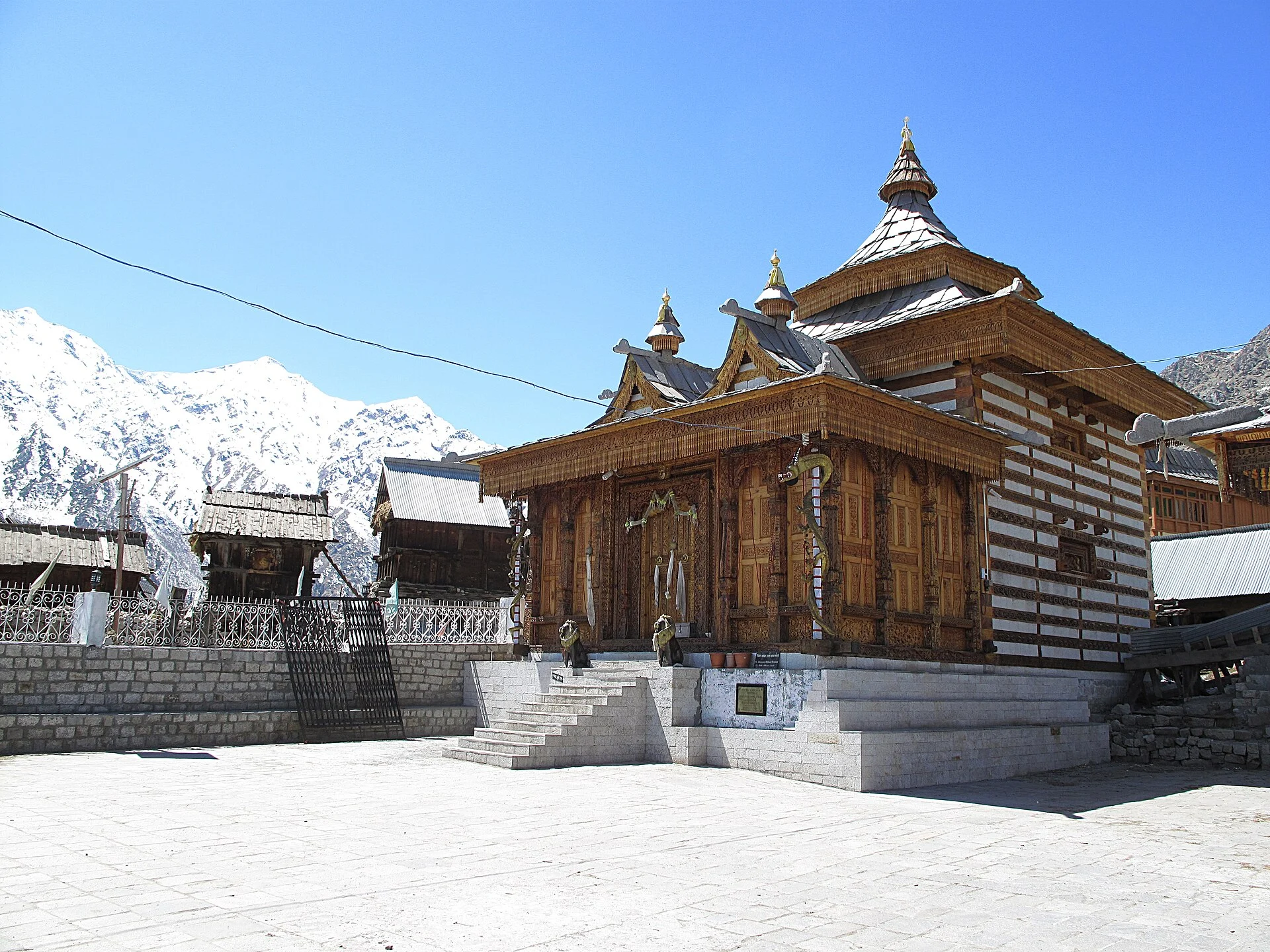
| Mathi Devi temples | Wooden Kinnauri temples to the village goddess; the oldest is said to be about 500 years old | Respect local rules; ask before photographing inside |
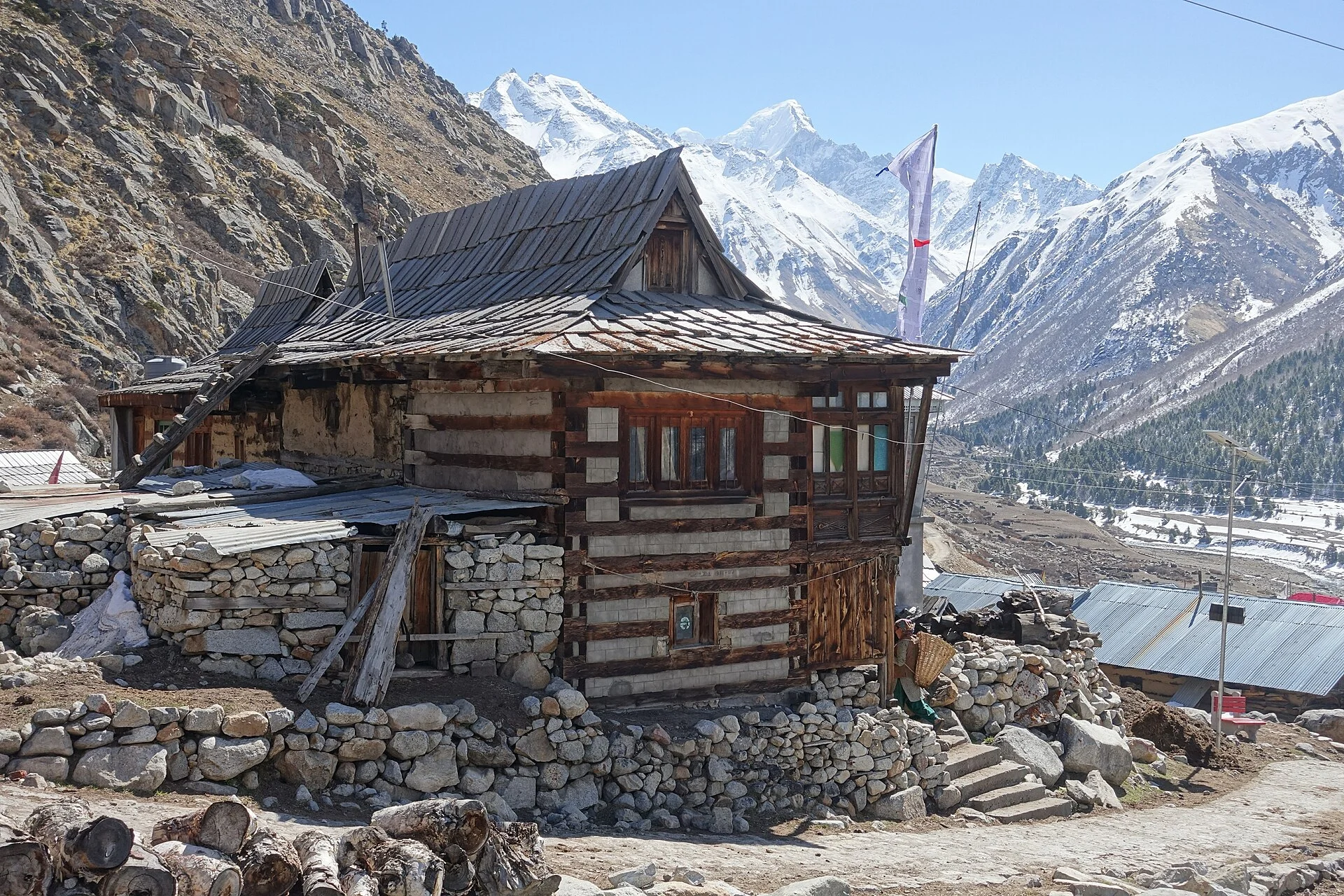
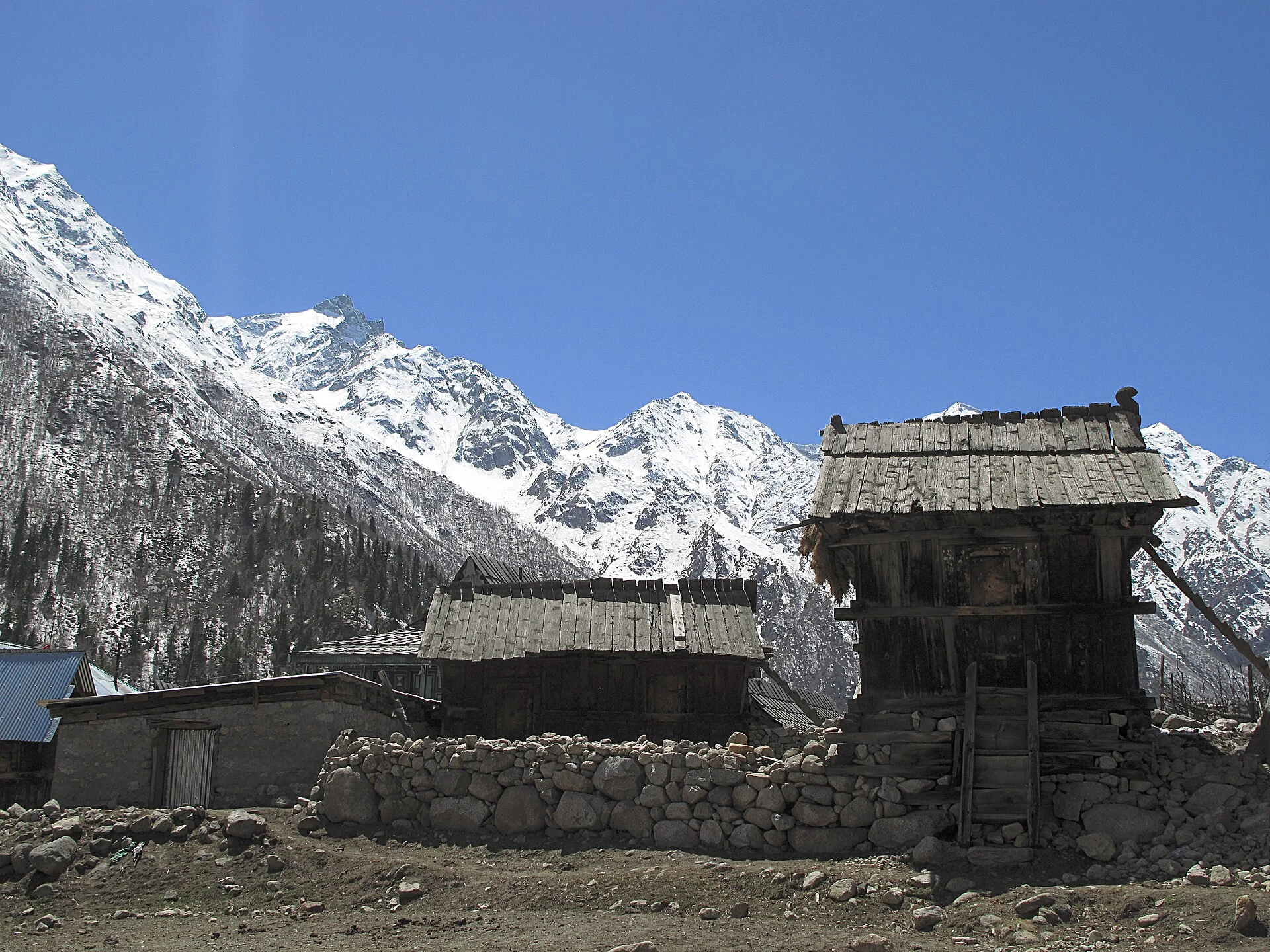
| Old village lanes | Stone-and-wood houses with slate roofs and carved balconies | Walk early in the morning, before the day visitors arrive |
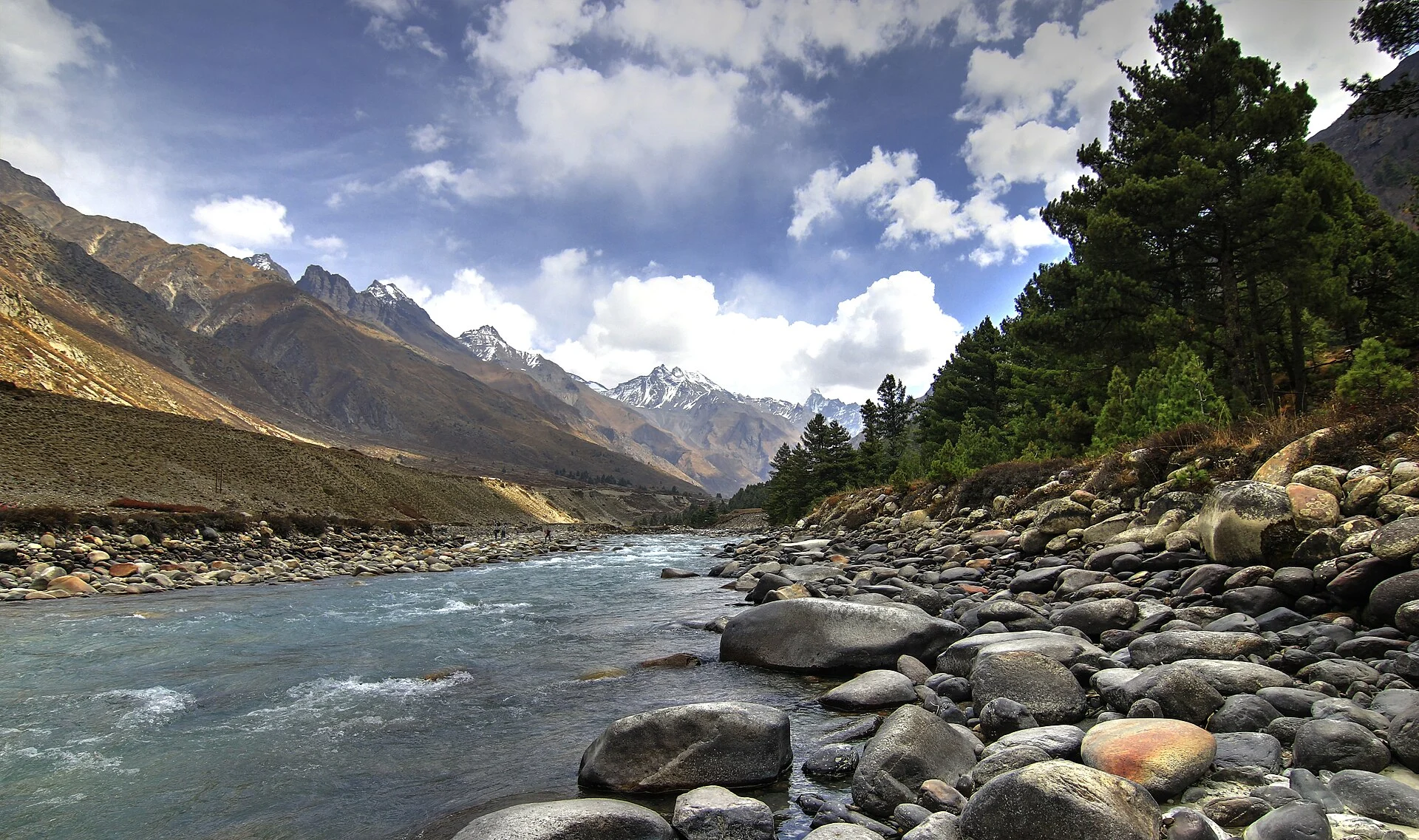
| Baspa riverbank | Wide, clear river with the high ridges above | Very cold water — do not wade in spring and summer melt |
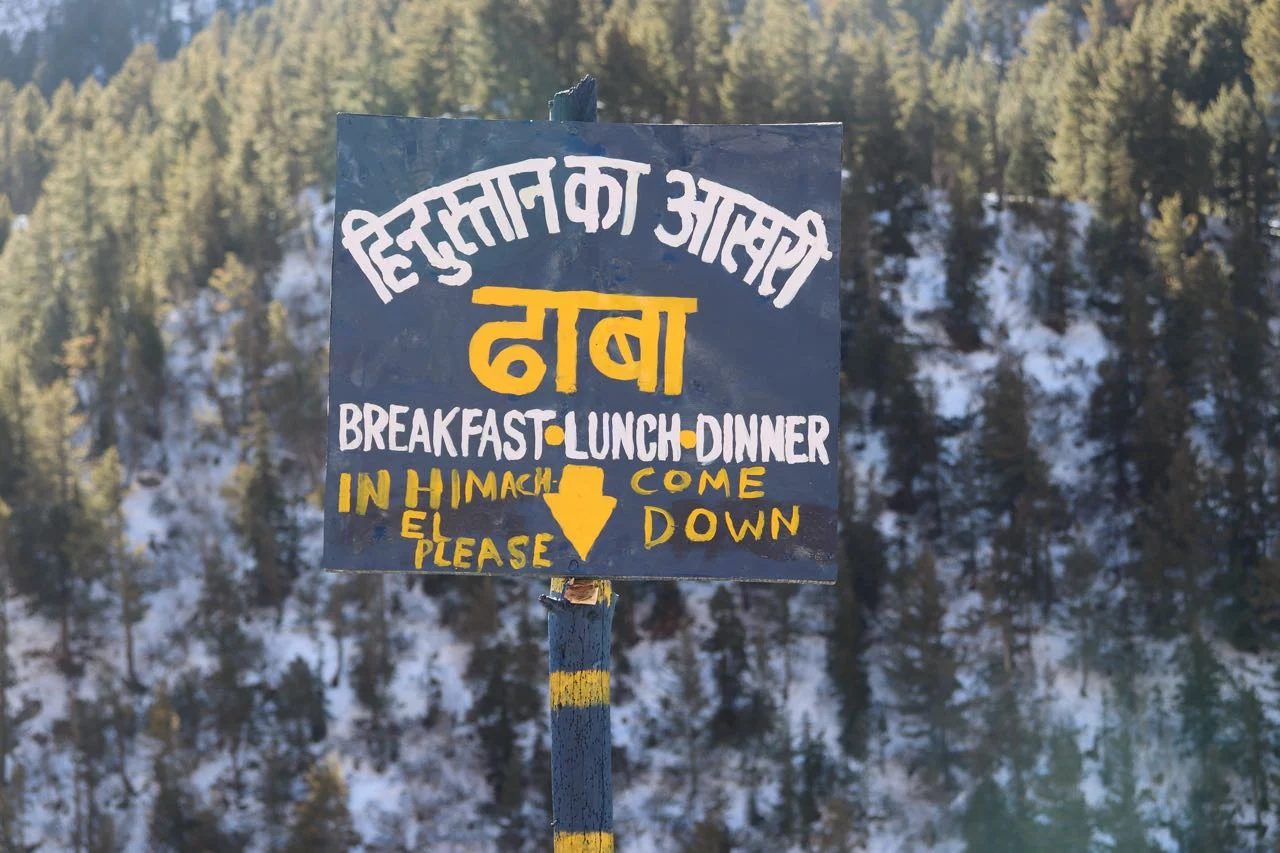
| The ‘last dhaba’ | Several roadside dhabas at the end of the road claim the title | Simple food: thukpa, momos, rajma-chawal, parathas |
| Walk towards Nagasti | Easy walk up the valley towards the ITBP post | Turn back where the army asks — beyond is off-limits |
| Rakchham | Smaller village halfway to Sangla, by the river | Quieter stay option |
Chitkul month by month
| Months | Conditions | Go? |
|---|---|---|
| April – June | Cold mornings, pleasant days, snow on the peaks; road opening up in April | Yes |
| July – August | Monsoon on the Sutlej road; landslides possible | Check roads first |
| September – mid-October | Clear skies, autumn colours, harvest | Best |
| Late October – November | Very cold nights, fewer guesthouses open | Yes, with warm gear |
| Mid-December – March | Heavy snow; road beyond Sangla usually closed; most people move down | Generally no — go to Kalpa |
Live snow and road news for the region: हिमाचल में बर्फबारी · Kinnaur weather.
Where to stay, altitude and practical tips
Stay: Chitkul has simple guesthouses and homestays, plus camps in summer; Sangla and Rakchham have more choice. Many places close from late November to March. Altitude: at about 3,450 m, the air is thin — come up slowly, ideally after a night at Sangla or Kalpa, drink water and avoid alcohol on the first night; if you have a medical condition, ask your doctor before going. Money and fuel: no ATM in Chitkul and no petrol pump on the last stretch — fill up and draw cash at Reckong Peo or before. Phone: expect weak or no data.
A 5-day Kinnaur plan with Chitkul
Day 1: Shimla → Sarahan or Sangla. Day 2: Sangla → Chitkul; afternoon in the village. Day 3: morning by the Baspa, back to Sangla, on to Kalpa. Day 4: Kalpa — Roghi village and the Kinner Kailash view. Day 5: Kalpa → Shimla or on towards Nako and Spiti in summer. Full trip guide: Sangla valley and Chitkul Kinnaur trip guide.
Chitkul in pictures
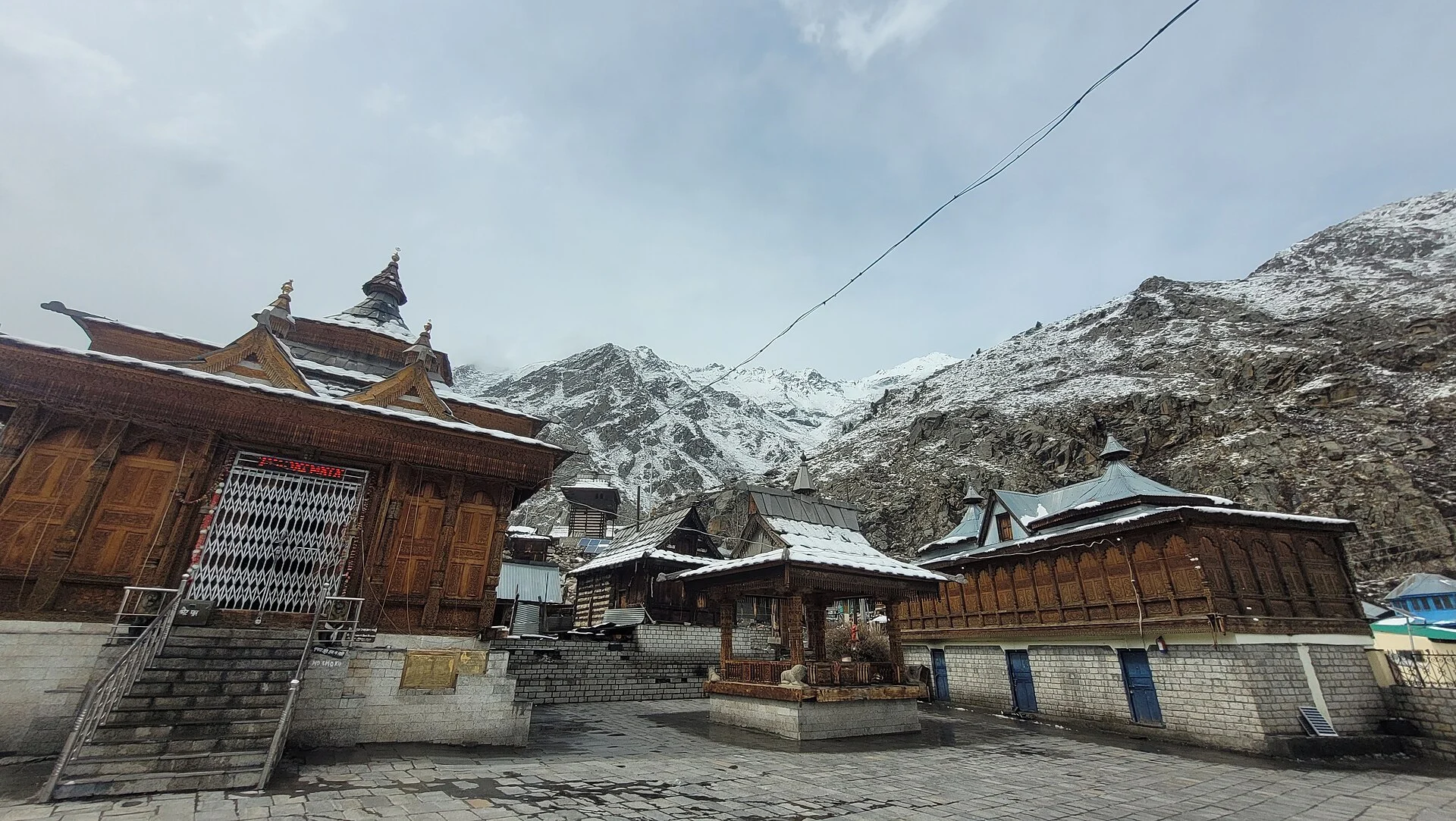
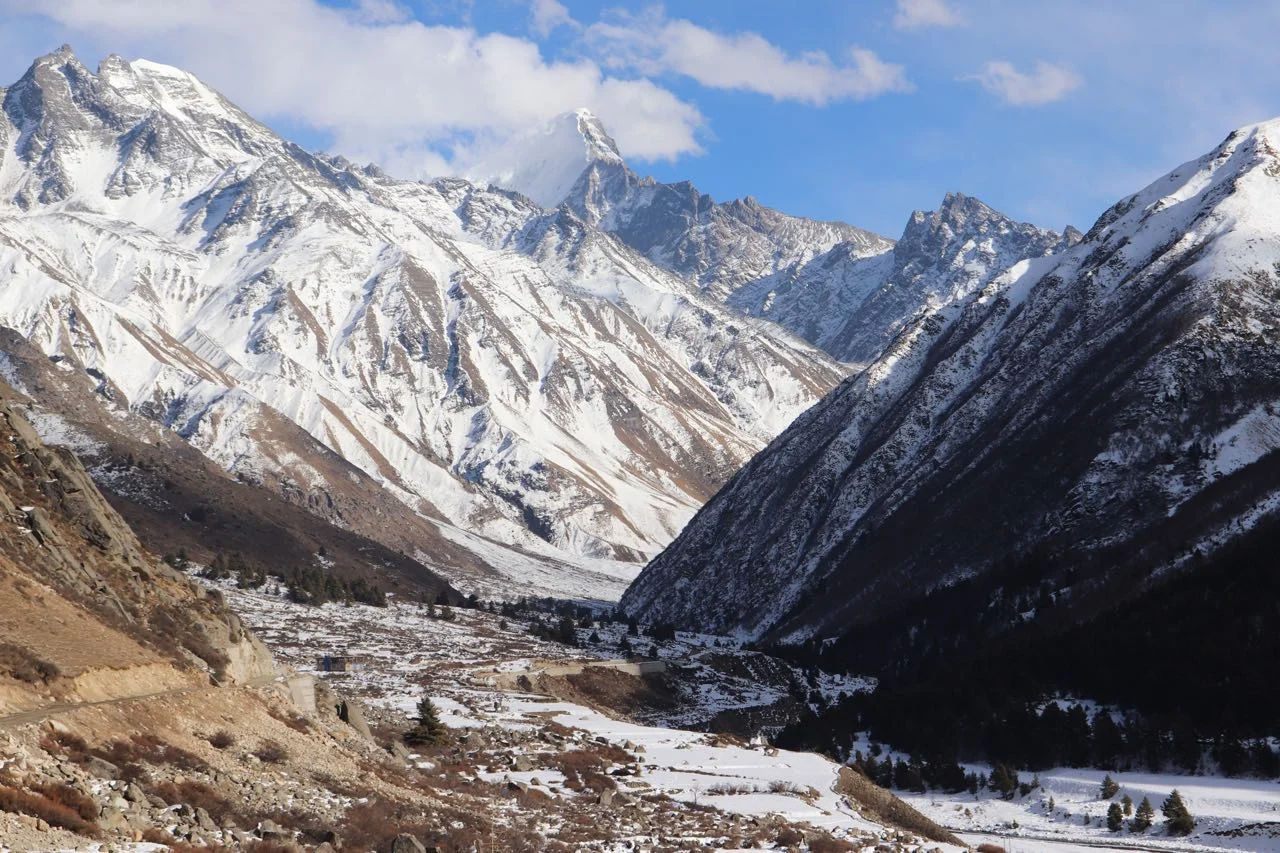
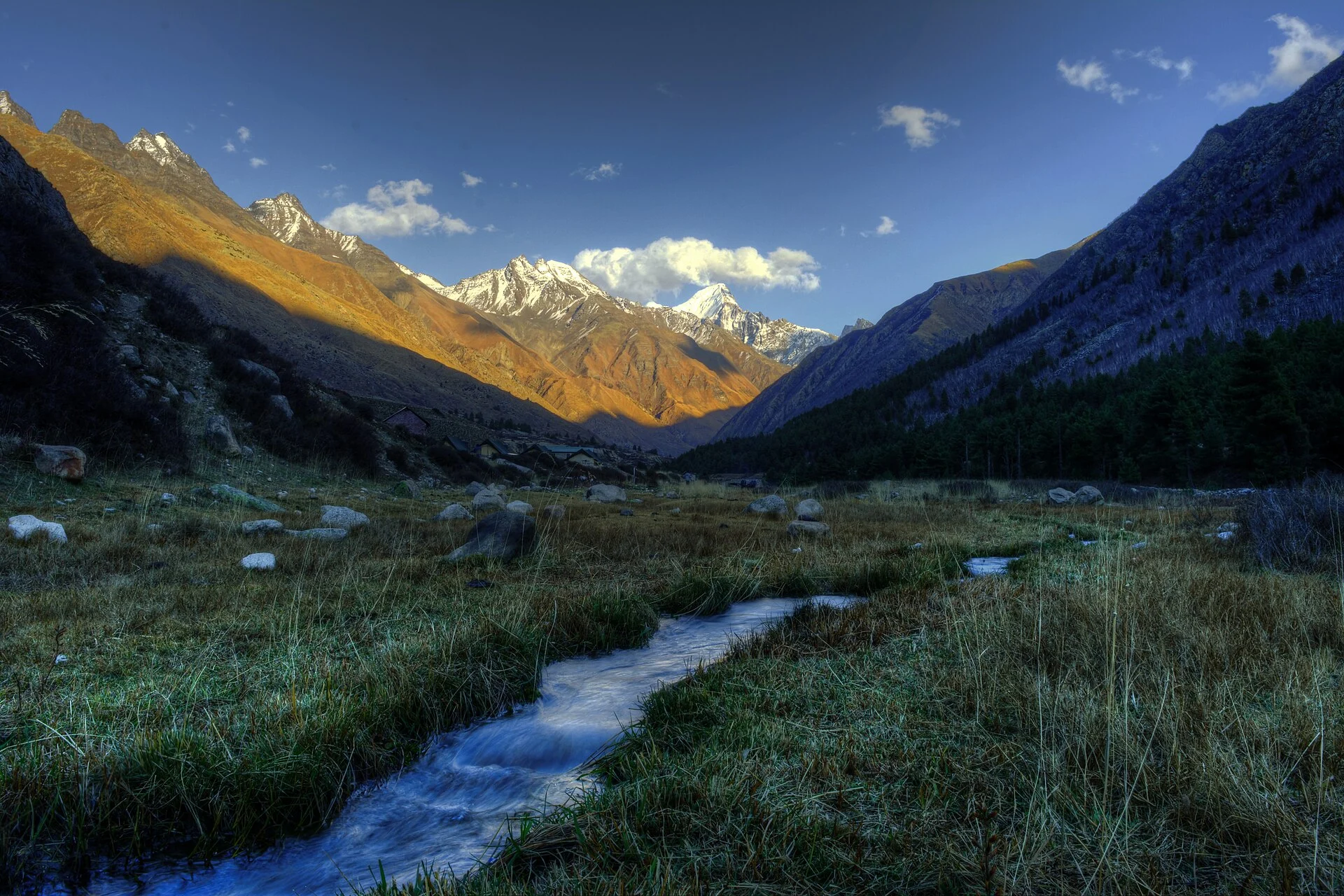
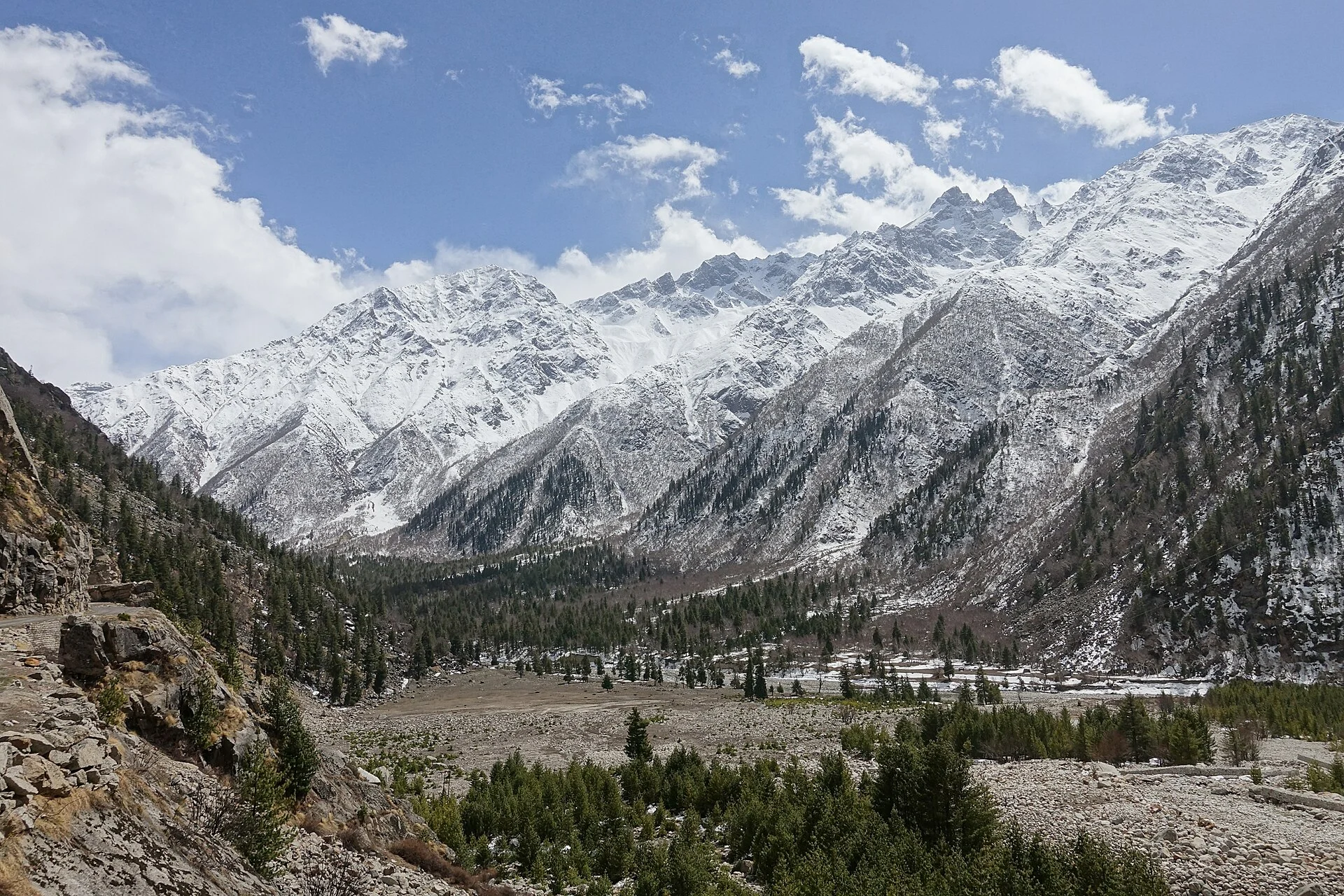
The village, the Baspa river, the temples and the high ridges of the upper Baspa valley — real photographs, each credited to its photographer.
More of Kinnaur
Our other Kinnaur guides.
Plan Kinnaur with us
Hotels in Sarahan, Sangla, Chitkul and Kalpa, meals and a private car with a driver who knows the Karcham–Sangla road — one written quote.
Planning Chitkul and Kinnaur?
Tell us your dates and group size. We plan Kinnaur around the roads and the season — Chitkul in spring and autumn, Kalpa in winter — and send one written quote with hotels, meals and a private car. Suzu Travels is a travel agent registered with Himachal Pradesh Tourism, based in Bilaspur, Himachal Pradesh.
Chitkul: common questions
Where is Chitkul?
At the head of the Baspa valley in Kinnaur district, Himachal Pradesh, about 28 km beyond Sangla.
Is Chitkul the last village of India?
It is the last inhabited village on this road before the Indo-Tibet border; beyond it the area is controlled by the ITBP and closed to visitors.
How far is Chitkul from Shimla?
About 250 km, usually 8–10 hours by road via Narkanda, Rampur, Karcham and Sangla.
Can I visit Chitkul in December or January?
Usually not: heavy snow normally closes the road beyond Sangla from about mid-December until March, and most guesthouses shut. Visit Kalpa in winter instead.
Do I need a permit for Chitkul?
Indian visitors need no permit to reach the village; going beyond towards the border is not allowed.
What is the best time to visit Chitkul?
April to June and September to mid-October.
Sources
Photo credits
Chitkul on its shelf above the Baspa — Photo: Vachadave, Public domain · A carved wooden temple in Chitkul — Photo: Kaiho, CC BY-SA 3.0 · The Mathi temple complex — Photo: Sidhant12sharma, CC BY-SA 4.0 · Snow on the ridges of the upper Baspa valley — Photo: Shivendujha, CC BY-SA 4.0 · A traditional wood-and-stone house — Photo: Marsmux, CC BY-SA 4.0 · The 'last dhaba' sign at Chitkul — Photo: Shivendujha, CC BY-SA 4.0 · The Baspa river at Chitkul — Photo: Sukanya Ray, CC BY-SA 4.0 · A stream through the meadows below the peaks — Photo: Vishalnagula, CC BY-SA 4.0 · The valley between Sangla and Chitkul after snow — Photo: Marsmux, CC BY-SA 4.0 · Old granary and houses with the peaks behind — Photo: Kaiho, CC BY-SA 3.0