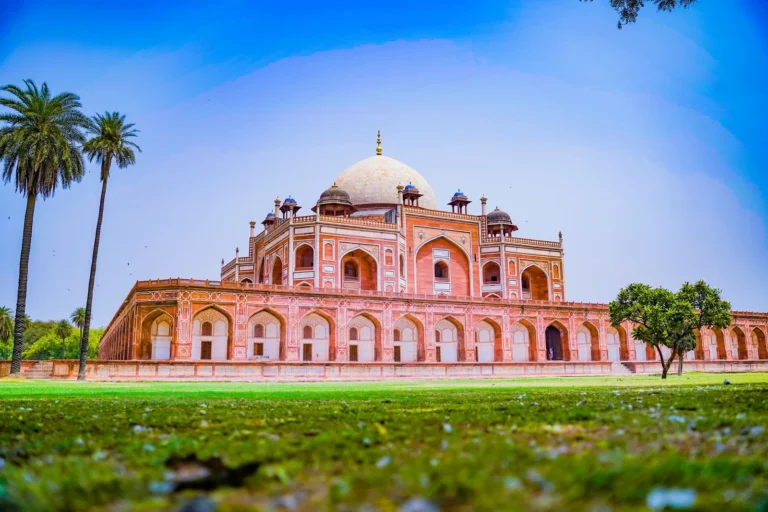

Short answer: Amer Fort (also spelled Amber Fort) sits on a ridge about 11 km north of central Jaipur. Since 1 January 2026 the entry fee is ₹1,000 for foreign visitors (about US$11–12, approximate) and ₹200 for Indian citizens. It opens daily from about 8:00 am to 5:30 pm, with a separate evening session. Plan 2.5–3 hours and arrive at opening to beat the heat and the tour buses.
Quick answer (checked 8 November 2026)
- Entry: ₹1,000 foreign adult, ₹500 foreign student; ₹200 Indian adult, ₹50 Indian student (new state rates from 1 Jan 2026, reported by Pinkcity Post on 29 Dec 2025 and Zee News).
- Hours: about 8:00 am–5:30 pm every day; evening entry and a light-and-sound show after dark. Confirm the evening times at the counter, as they shift by season.
- Time needed: 2.5–3 hours inside, plus 30–40 minutes each way from the old city.
- Best time: October to March, at opening time.
- Combined pass: the Foreign Tourist Combined Pass is ₹5,500 and valid for 10 days at state-run monuments and museums in Rajasthan. It only pays off on a longer Rajasthan trip.
Plan this trip with a local operator. We run private Golden Triangle and Rajasthan tours with your own car, driver and licensed guide. See our Rajasthan tour, or message us on WhatsApp +91 70874 88961 (WhatsApp works internationally) or email info@suzutravels.com. We are an HP Tourism registered travel agent.
What is Amer Fort, and why does it matter?
Amer was the capital of the Kachhwaha Rajput rulers until Sawai Jai Singh II moved the court down to his new planned city, Jaipur, in 1727. The palace you visit was begun in 1592 by Raja Man Singh I, a general in the Mughal emperor Akbar’s army. Mirza Raja Jai Singh I added to it in the 17th century. That mix is why the fort looks Rajput from outside, with honey-coloured sandstone ramparts climbing the Aravalli hills, but has Mughal-style gardens, marble halls and mirror work inside.
In 2013 UNESCO listed Amer as one of the six “Hill Forts of Rajasthan” World Heritage sites, along with Chittorgarh, Kumbhalgarh, Ranthambore, Gagron and Jaisalmer. For most first-time visitors to India it is the single most impressive building on a Golden Triangle tour after the Taj Mahal.
How much is the Amer Fort ticket in 2026?
Rajasthan doubled or more than tripled fees at state-run monuments on 1 January 2026. This was the first revision since 2015. Many websites, and some older guidebooks, still show the old ₹500 or ₹300 foreigner rate. The figures below come from two news reports of the state order (Pinkcity Post, 29 December 2025, and Zee News Hindi). Prices are in Indian rupees, and the US$ figures are approximate.
| Ticket | Foreign visitor | Indian citizen |
|---|---|---|
| Amer Fort, adult | ₹1,000 (about US$11–12; was ₹300 before 2026) | ₹200 (was ₹100) |
| Amer Fort, student with ID | ₹500 | ₹50 |
| Hawa Mahal, Jantar Mantar, Albert Hall, Nahargarh (each) | ₹600 | ₹100 |
| Combined pass, 10 days, state monuments across Rajasthan | ₹5,500 | ₹1,300 |
Here is the maths for a foreign visitor doing the classic Jaipur day: Amer, Hawa Mahal and Jantar Mantar cost ₹2,200 bought separately. That is well under the ₹5,500 pass. Add Nahargarh and Albert Hall and you are still at ₹3,400. The pass only makes sense if you will also visit state-run sites in other Rajasthan cities within 10 days. Two places in Jaipur are not state monuments and sell their own tickets: the City Palace (run by the royal family’s trust) and Jaigarh Fort. Buy tickets at the counter at Jaleb Chowk. Carry some cash in case the card machine is down. Fees change, so check at the counter or on the official Rajasthan Tourism site before you go.
What are the Amer Fort timings, and when should you go?
The day session runs roughly 8:00 am to 5:30 pm, seven days a week, including public holidays. There is no weekly closing day. A separate evening entry lets you see the lit courtyards, and a light-and-sound show of about 50 minutes, telling the story of Amer in English and Hindi, is held below the fort after sunset. Evening times and show slots change with the season, so ask your driver or the counter that morning.
Go at opening. By 10:30 am in winter the Ganesh Pol courtyard fills with large tour groups. From April to June midday temperatures in Jaipur often pass 40°C and the stone courtyards hold the heat. October to March is the comfortable season. December and January mornings can be as cool as 8–10°C, so a light layer helps.
How do you get from Jaipur to Amer Fort?
The fort is about 11 km north of the walled old city on the Delhi road. In light traffic that is a 25–40 minute drive. Most visitors come in a private car with a driver as part of a Jaipur day tour, which is simplest because drivers know where to park below the fort. Other options:
- App cab or auto-rickshaw: both run to Amer. Agree the fare or set the app before leaving, and plan how you will get back.
- Local bus: city buses run from the old city to Amer. They are cheap but crowded, and slow at peak hours.
- From the car park to the gate: you can walk up the cobbled ramp to Suraj Pol (Sun Gate) in about 15 minutes, take a shared jeep up the back road to Chand Pol, or ride an elephant (see below).
Coming from elsewhere? Our guides to getting from Delhi to Jaipur and Agra to Jaipur cover trains, roads and journey times.
What should you see inside Amer Fort?
The palace is laid out on four rising courtyards. Follow them in order and you walk forward through its history:
- Jaleb Chowk: the first great square, where returning armies paraded. The ticket office and the guide stand are here.
- Sila Devi temple: to the right of the stairs, a small temple to the royal family’s goddess, with silver doors. Photography is not allowed inside, and you remove your shoes.
- Diwan-e-Aam (Hall of Public Audience): an open hall of red sandstone and marble pillars where the ruler heard petitions.
- Ganesh Pol: the painted gateway to the private palace, and the most photographed doorway in Rajasthan.
- Sheesh Mahal (Jai Mandir): the Mirror Palace, with walls and ceilings set with thousands of small convex mirrors. You view it from the doorway; the inner rooms are roped off.
- Sukh Niwas: facing the Sheesh Mahal across a formal garden. Water once ran through a channel in the floor to cool the room.
- Man Singh I palace and zenana: the oldest part, at the back, with rooms for the queens set around a courtyard. It is quieter and often skipped, and worth the extra 20 minutes.
From the ramparts you look down on Maota Lake and the saffron garden (Kesar Kyari) below. High on the ridge above stands Jaigarh Fort, which holds the 18th-century Jaivana cannon. A fortified passage links the two forts. Jaigarh needs its own ticket and another hour or more.
Should you ride an elephant at Amer Fort?
Elephant rides up the ramp to Suraj Pol still operate, but they are in steep decline. Ride figures reported by PTI on 11 August 2026 fell from 1,64,608 in 2018–19 to 48,474 in 2025–26, about 70% lower. Operators blame fewer foreign tourists and visitors choosing jeeps instead. Animal-welfare groups, including World Animal Protection in July 2026, continue to call for the rides to end. Rides run only in the morning, and they are suspended at times after incidents or repairs.
We do not book elephant rides. Our guests walk up the ramp, where the views are better because you see the walls rise around you, or take the jeep to Chand Pol if walking is hard. If you would like to see elephants, ask us about ethical alternatives near Jaipur, where you watch rather than ride.
Is a guide worth it at Amer Fort?
Yes, for a first visit. There are no labels on most rooms, and the story is what makes the Sheesh Mahal and the zenana make sense. Hire only government-licensed guides, who carry a photo ID card. They wait at Jaleb Chowk, or you can book one with your tour. Agree the price and the length of the tour first. Audio guides are also sold near the ticket office. Ignore touts in the car park who offer “special entry” or a “shortcut ticket”. There is no such thing.
A sample Jaipur day with Amer Fort
| Time | Stop | Notes |
|---|---|---|
| 7:30 am | Photo stop at Hawa Mahal from the street | The facade catches the morning sun; the road is empty |
| 8:00–11:00 | Amer Fort | Walk up to Suraj Pol, see the four courtyards, then the ramparts |
| 11:15 | Jal Mahal viewpoint | The “water palace” seen from the lakeside road; you cannot go inside |
| 12:30 | Lunch in the old city | Try a Rajasthani thali; ask for “less spicy” if you prefer |
| 2:00–4:30 | City Palace and Jantar Mantar | Next to each other; Jantar Mantar is a UNESCO site too |
| 5:30 | Sunset at Nahargarh | The best view over the Pink City |
For the rest of the city, see our list of things to do in Jaipur. If you have a spare day, add the Jaipur to Pushkar day trip.
Practical tips for visiting
- Shoes and clothing: the ramps are worn stone and the stairs are steep, so wear shoes with grip. Shoulders and knees covered is respectful, and essential at the Sila Devi temple (see what to wear in India).
- Water and sun: carry water and a hat. There is little shade in the outer courtyards.
- Accessibility: the fort is not wheelchair-friendly. The jeep road to Chand Pol cuts out the steepest climb, but many inner rooms have steps.
- Photography: phones and cameras are fine in the courtyards. Drones need permission. Do not use flash on painted walls.
- Monkeys: keep food out of sight on the ramparts.
What this means for your trip
Budget ₹1,000 per foreign adult for Amer alone in 2026. Ignore older blogs quoting ₹500. Put Amer first on your Jaipur day, at opening time. Two full days in Jaipur lets you add Jaigarh, Nahargarh and the bazaars without rushing. Most of our guests see Jaipur as part of a 6–8 day private Golden Triangle with a driver. Read what a day with a private driver looks like, or see the 7-day Golden Triangle itinerary.
Amer Fort FAQs
Is Amber Fort the same as Amer Fort?
Yes. “Amer” is the town’s name in Hindi and Rajasthani, and “Amber” is the older English spelling. The official name is Amer Fort, or Amer Palace. Signs, tickets and Google Maps use both, so you will see each spelling on the same day. Your driver will understand either. “Aamer” and “Amber Palace” mean the same place too.
How much is the Amer Fort ticket for foreigners?
₹1,000 per foreign adult and ₹500 for a foreign student with ID, under the Rajasthan rates in force from 1 January 2026. That is about US$11–12 at current approximate exchange rates. Indian citizens pay ₹200. Fees can change, so check the official Rajasthan Tourism site or the counter at Jaleb Chowk before your visit.
How long do you need at Amer Fort?
Two and a half to three hours covers the four courtyards, Sheesh Mahal, the zenana and the ramparts at a relaxed pace with a guide. Add an hour or more for Jaigarh Fort on the ridge above. With the drive from the old city, Amer takes up a full morning, so plan the City Palace and other sights for the afternoon.
What time does Amer Fort open?
Around 8:00 am, every day of the week, and the day session ends about 5:30 pm. There is a separate evening entry and a light-and-sound show after dark, with timings that change by season. Arriving at 8:00 am means cooler stone, softer light for photos and far fewer people at Ganesh Pol.
Are the elephant rides still running in 2026?
They still operate in the morning, but numbers have fallen sharply: PTI reported 48,474 rides in 2025–26, compared with 1,64,608 in 2018–19. They are suspended at times after incidents or repairs, and welfare groups oppose them. Walking up the ramp takes about 15 minutes and gives better views. Jeeps run to the back gate if you prefer not to climb.
Is the Rajasthan combined pass worth it?
Only for a longer trip. The foreign pass costs ₹5,500 and lasts 10 days. The usual Jaipur sights (Amer, Hawa Mahal, Jantar Mantar, Nahargarh, Albert Hall) total ₹3,400 bought separately. It starts to pay off only if you also visit state-run monuments in other Rajasthan cities within the 10 days. City Palace and Jaigarh are not included.
Can you visit Amer Fort and the Taj Mahal on the same trip?
Yes. Jaipur and Agra form two corners of the Golden Triangle with Delhi, and the drive between them takes about 4.5–5.5 hours. Fatehpur Sikri and the Abhaneri stepwell make good stops on the way. A 6–7 day private tour covers all three cities without rushing.
Plan this trip with a local operator. Tell us your dates and we will build a private Jaipur or Golden Triangle route with a car, driver and licensed guides. See our Rajasthan tour and Golden Triangle tour, or message us on WhatsApp +91 70874 88961 (WhatsApp works internationally) or email info@suzutravels.com. Suzu Travels is an HP Tourism registered travel agent (Reg. No. DTO-MND-11-243/2022), in business since 2019.