

Jibhi weather: today, this week and through the year
Live temperature and a five-day forecast for Jibhi, the Tirthan valley and Kullu, month-by-month temperatures, when snow reaches Jibhi and Jalori Pass, and the best months to go.
- ~1,600 m Jibhi
- Dec–Feb snow chances
- Jul–Aug wettest
- Live 3 places
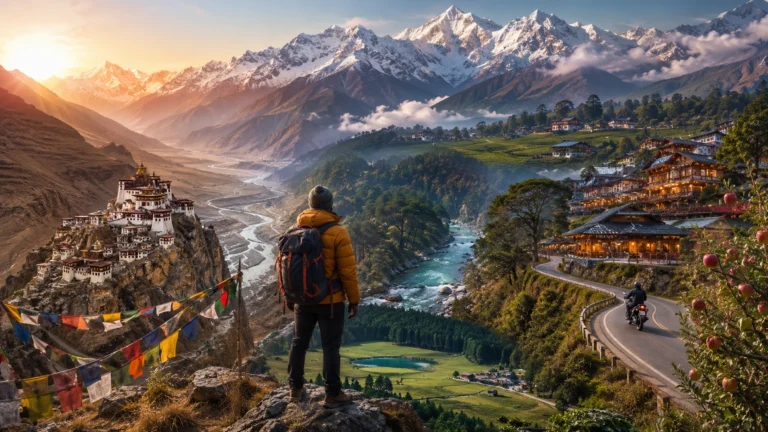
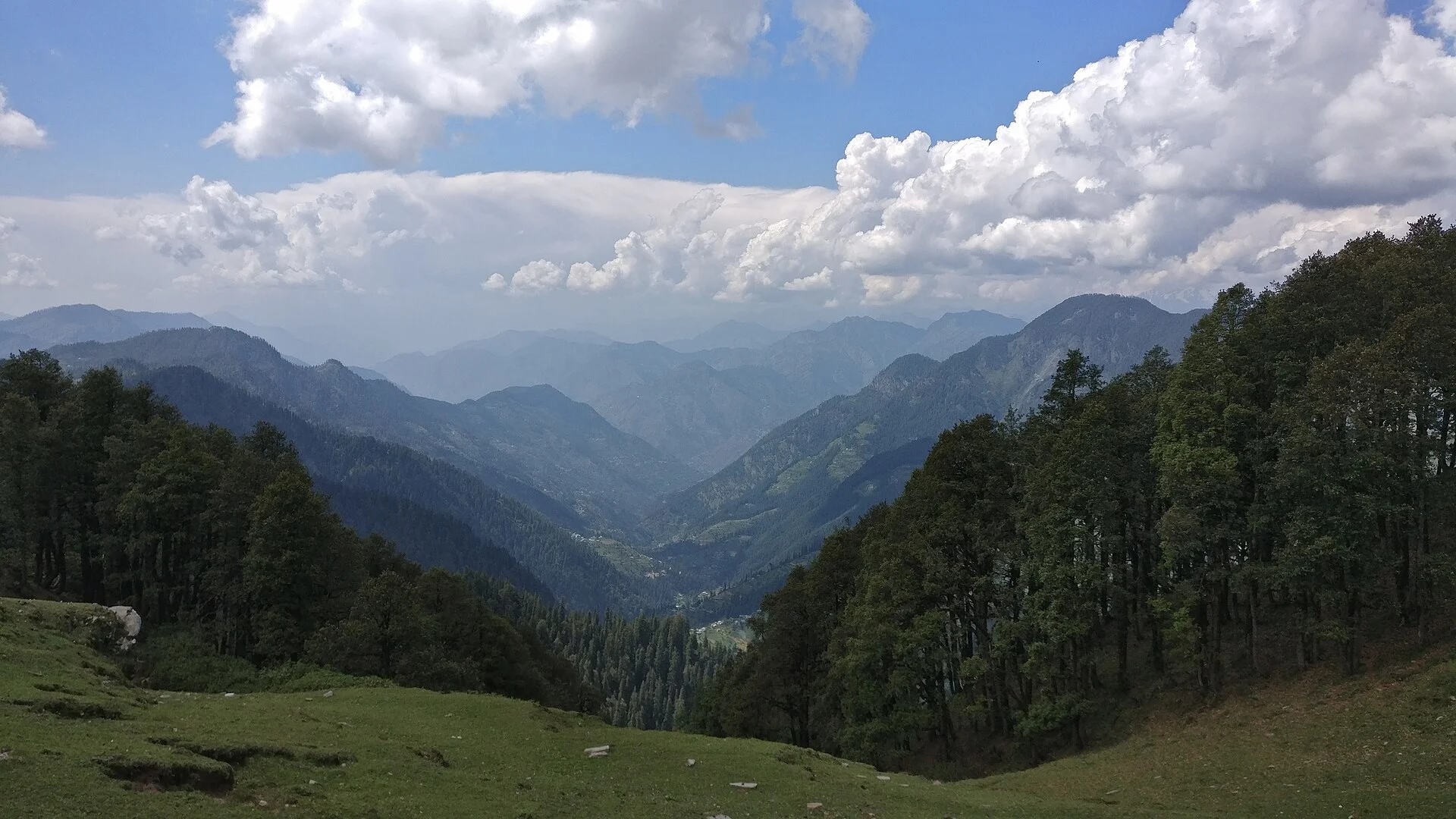
Photo: Prabhmeet Singh, CC BY-SA 4.0
Updated November 2026 · HP Tourism registered travel agent · Reg. No. DTO-MND-11-243/2022 · certificates
Jibhi (about 1,600 m) and the Tirthan valley (1,500–1,700 m) sit in the Banjar area of Kullu district, below Jalori Pass (about 3,120 m). Days are mild for most of the year; winter nights drop to around or below freezing, and December to February can bring snow to Jibhi itself, while Jalori Pass gets much more and its road often closes after heavy snow. July and August are the wettest months. March–June and September–November are the best times to visit.
- ColdestDecember–January — nights around or below 0 °C.
- SnowJibhi: some snow most winters (Dec–Feb); Jalori Pass: heavy.
- WettestJuly–August — monsoon, landslides possible.
- Best monthsMarch–June and September–November.
- Jalori roadOften closed after heavy snow in winter.
Jibhi, Tirthan valley and Kullu weather today
Jibhi (about 1,600 m), the Tirthan valley at Gushaini (about 1,600 m) and Kullu (1,220 m) — current temperature and the next days’ high, low, rain and snow.
Forecast data: MET Norway (CC BY 4.0), refreshed about once a day — last update —.
Jibhi weather by month
Jibhi has no IMD climate station. The temperatures below are an estimate: the India Meteorological Department’s 1991–2020 normals for Bhuntar (about 1,090 m), the nearest station, lowered by 3 °C for Jibhi’s extra height of about 500 m. The rain column is Bhuntar’s, as a guide to the season.
| Month | Approx. high / low* | Bhuntar rain | What it is like |
|---|---|---|---|
| January | 13° / −1 °C | 81 mm | Cold; snow some years |
| February | 15° / 1 °C | 103 mm | Cold; snow or rain spells |
| March | 20° / 4 °C | 117 mm | Mild days, showers |
| April | 24° / 7 °C | 78 mm | Pleasant, rhododendrons on Jalori |
| May | 28° / 10 °C | 61 mm | Warm days, cool nights |
| June | 30° / 14 °C | 66 mm | Warmest; busiest |
| July | 29° / 17 °C | 136 mm | Monsoon; landslides possible |
| August | 28° / 17 °C | 129 mm | Monsoon |
| September | 27° / 14 °C | 77 mm | Rain easing, green |
| October | 25° / 7 °C | 25 mm | Clear, crisp |
| November | 20° / 2 °C | 22 mm | Sunny days, cold nights |
| December | 15° / −1 °C | 31 mm | Cold; first snow some years |
*Estimated from Bhuntar’s IMD normals (1991–2020) adjusted for height — not an official Jibhi record. Full Kullu valley figures: Kullu weather.
Snow at Jibhi and Jalori Pass, and the roads in winter
Jibhi gets snow in many winters, usually between late December and February, but it melts quickly in the sun. Jalori Pass, about 12 km above Jibhi, is far snowier; after heavy snow the road over the pass is closed for days or weeks, so Jibhi is then reached only from the Aut side.
The Tirthan valley (Gushaini, Nagini, Sai Ropa) is a little lower and milder; it is the gateway to the Great Himalayan National Park, a UNESCO World Heritage Site. Treks to Serolsar lake and Raghupur Fort from Jalori are best from April to June and September to November.
More on the area: Jibhi travel guide, Tirthan valley guide and the Jibhi and Tirthan itinerary.

Jibhi and Jalori in pictures
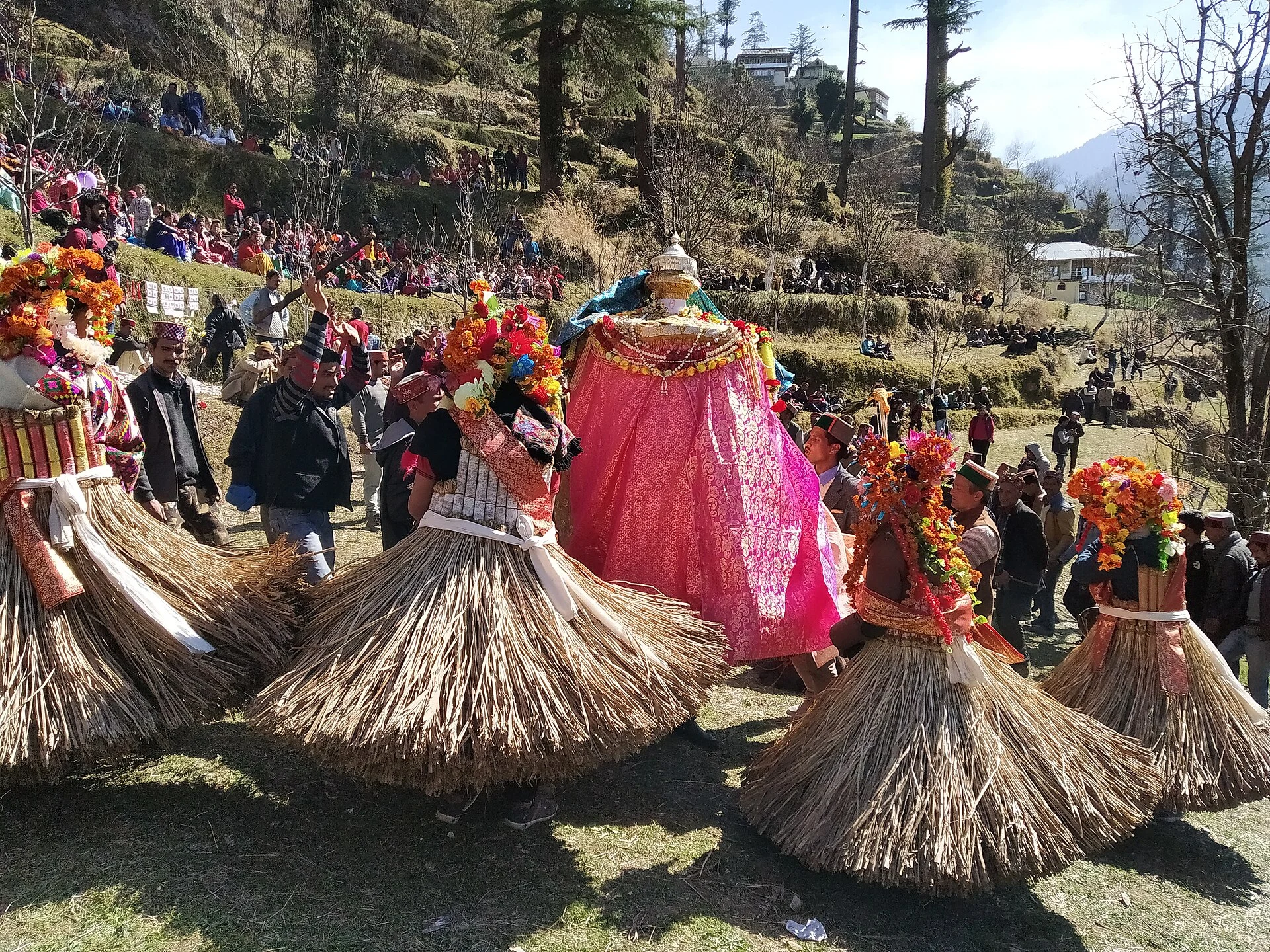
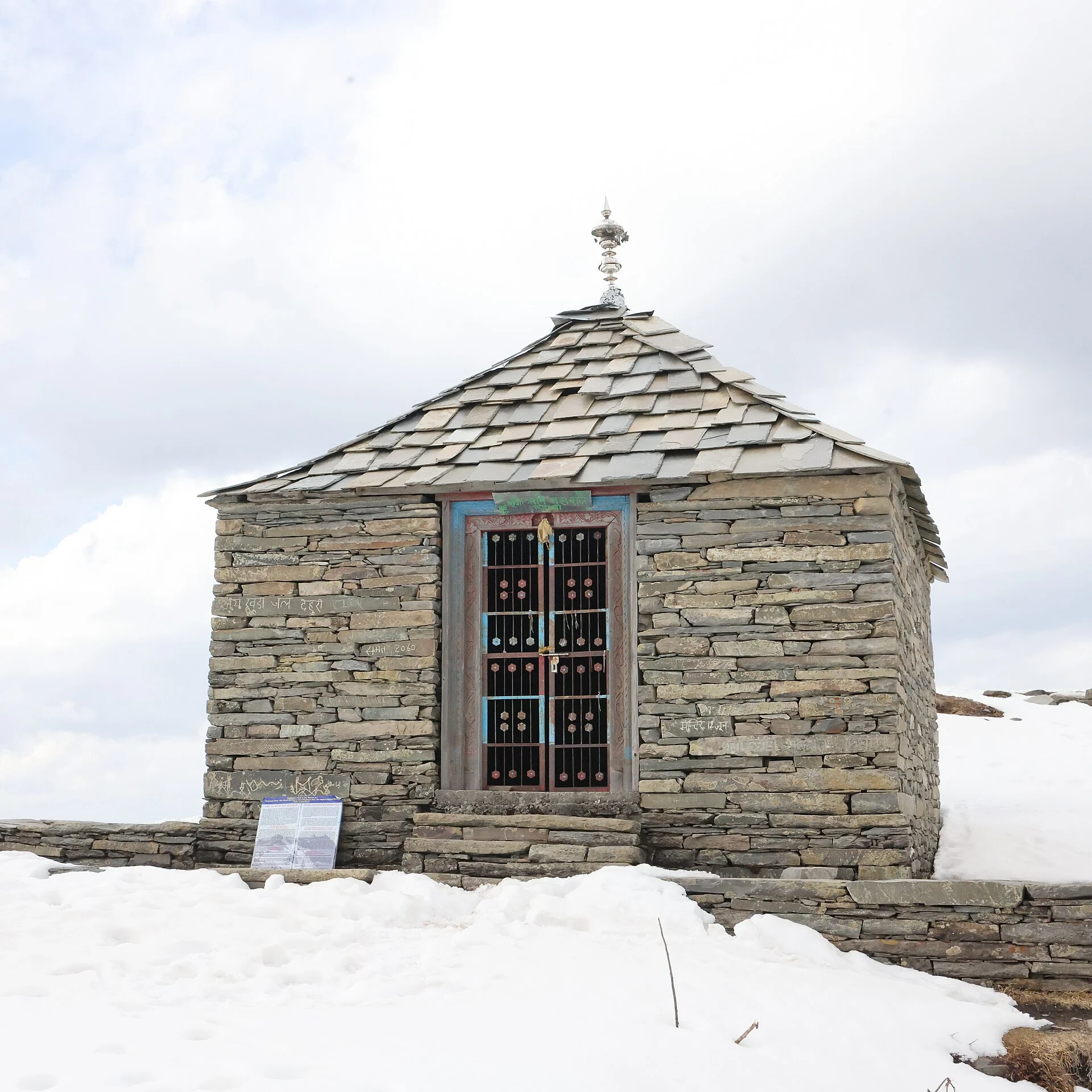
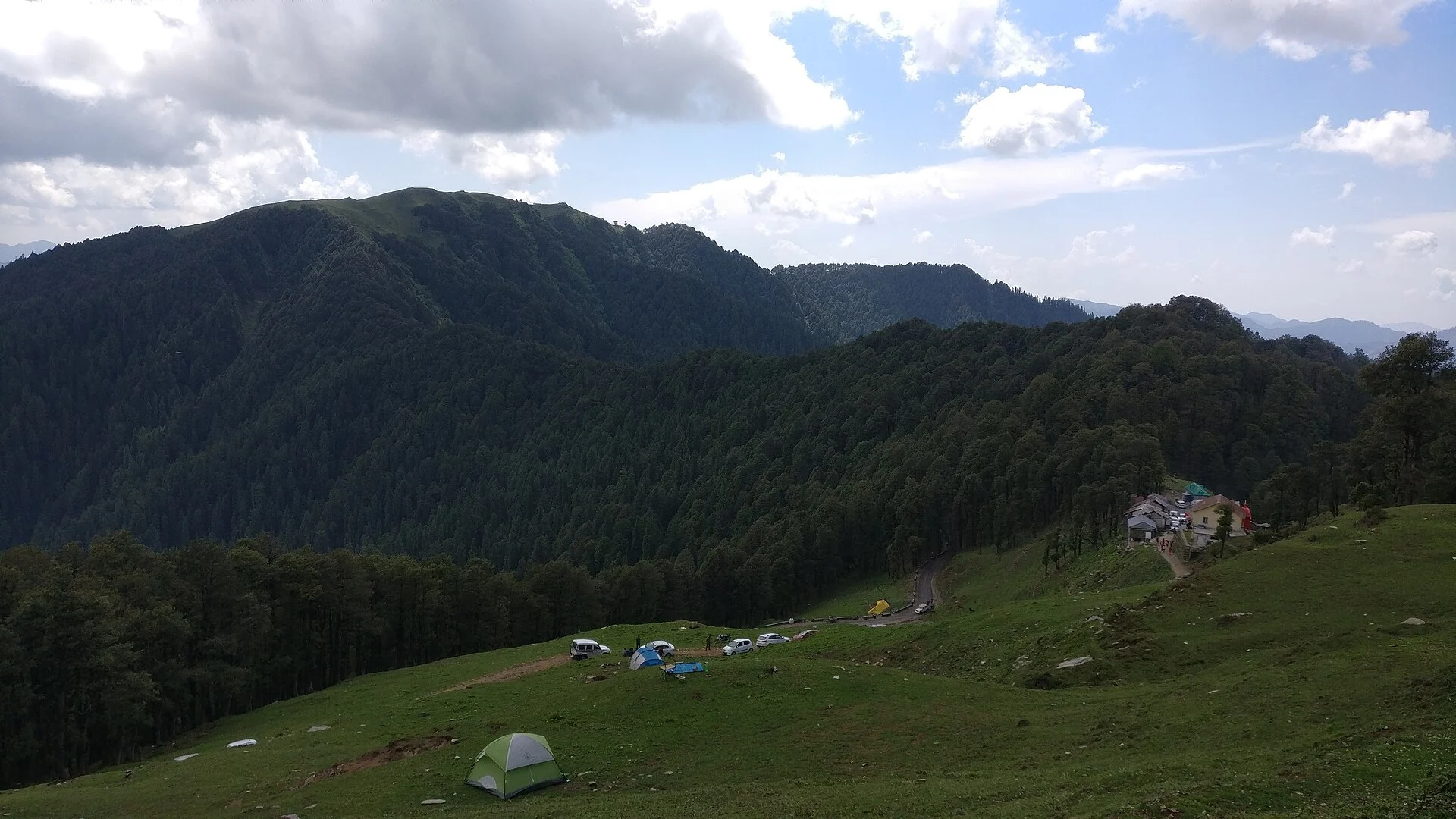
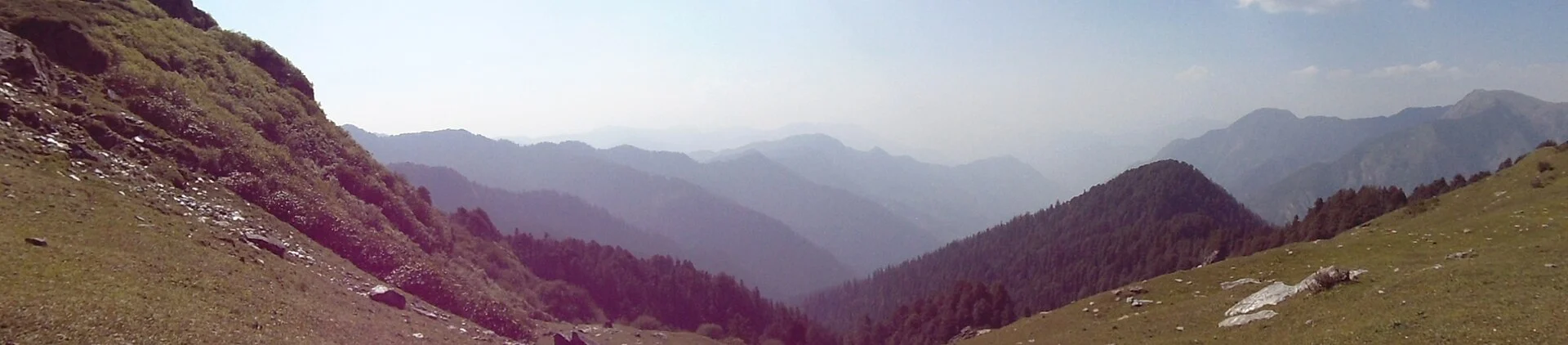
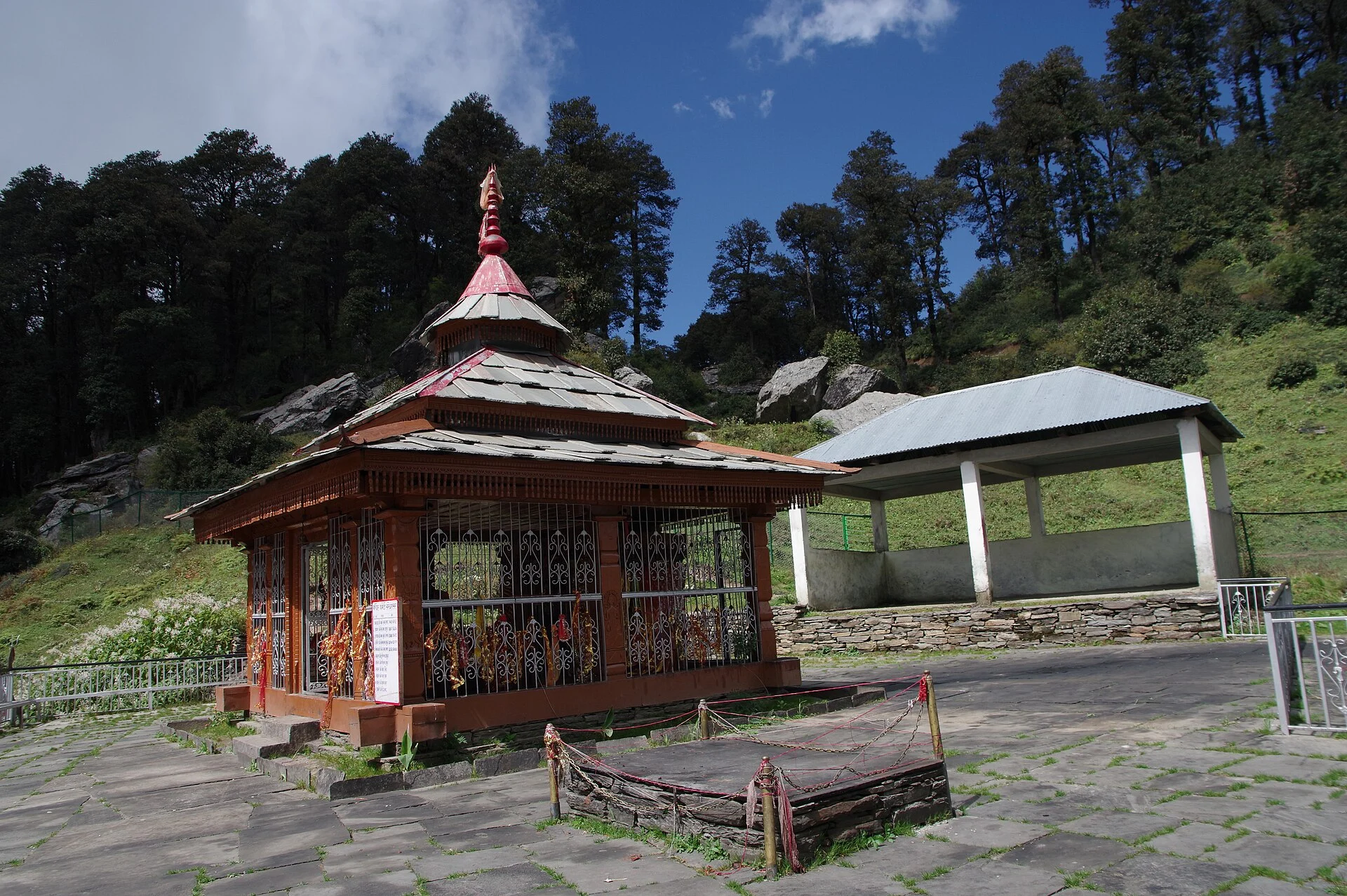
Jalori Pass, Serolsar lake, Raghupur Fort and Jibhi — real photographs, each credited to its photographer.

Best time to visit Jibhi and Tirthan
Depending on what you are going for.
Spring
Pleasant days, rhododendrons, Jalori open.
Summer escape
Warmest, busiest month.
Autumn
Clear skies, best trekking weather.
Snow
Snow at Jibhi some years; Jalori often shut.
Trout and GHNP
Tirthan river and park trails.
Take care
Monsoon; landslides on the valley roads.
Jibhi trip: what the weather means for you
Clothing: warm jacket and thermals from November to February; layers and a light jacket for evenings the rest of the year; rain gear in July–August.
Nearby weather:Kullu weather, Manali weather, Mandi weather and Sissu weather.
Our Jibhi and Tirthan trips
Stays, meals and a private car in one quote.
Planning Jibhi or the Tirthan valley?
Tell us your dates, where you are starting from and how many of you are travelling. We check the Jalori road and the weather, suggest the right route, and send a written quote with stays and a private car. Suzu Travels is a travel agent registered with HP Tourism, based in Bilaspur, Himachal Pradesh.
Jibhi weather: frequently asked questions
What is the weather in Jibhi today?
The top of this page shows the current temperature and the next days’ forecast for Jibhi, the Tirthan valley and Kullu (MET Norway data).
Does it snow in Jibhi?
In many winters, yes — usually between late December and February — though it melts quickly. Jalori Pass above Jibhi gets much more snow.
Is Jalori Pass open in winter?
Often not: after heavy snow the road over Jalori Pass closes, sometimes for weeks. Jibhi itself stays reachable from Aut.
What is the best time to visit Jibhi?
March to June and September to November.
How cold is Jibhi in December?
Days around 15 °C and nights around or below freezing.
When is the monsoon in Jibhi?
July and August are the wettest months; landslides can block valley roads.
Sources
- MET Norway Locationforecast (CC BY 4.0) — live forecast data
- India Meteorological Department — Bhuntar climatological normals 1991–2020 (height-adjusted)
- Suzu Travels: Jibhi travel guide
Photo credits
The Himalaya from Jalori Pass — Photo: Prabhmeet Singh, CC BY-SA 4.0 · Serolsar lake and temple — Photo: Phototraveller1, CC BY-SA 4.0 · The Beeth fair at Jibhi — Photo: Devender71641, CC BY-SA 4.0 · Jibhi waterfall gate — Photo: Rohan Pinto, CC BY-SA 4.0 · Raghupur Fort — Photo: Gannu03, CC BY-SA 4.0 · Jalori Pass — Photo: Manish57335, CC BY-SA 4.0 · GHNP from Jalori Pass — Photo: Manish57335, CC BY-SA 4.0 · Hills of the Banjar valley — Photo: Supreet.saini, CC BY-SA 4.0 · Temple at Serolsar — Photo: Phototraveller1, CC BY-SA 4.0