
The Best Time to Visit India: A Complete Month-by-Month Weather Guide
India, a land of vibrant colors, ancient wonders, and captivating cultures, beckons travelers from across the globe. But with its vast landscape and diverse microclimates, choosing the best time to visit India can be a daunting task. There is no single “best” time—it depends entirely on where you want to go and what you want to experience.
Compiled by the local travel experts at Suzu Travels—a Destination Management Company registered as a travel agent with Himachal Pradesh’s Department of Tourism & Civil Aviation—this definitive guide breaks down India’s climate month-by-month and region-by-region to help you plan the perfect itinerary.
The Three Main Travel Seasons in India
1. Winter (October to March) – Peak Season
This is arguably the best time to visit India for most international travelers. The weather is pleasant across the majority of the country, featuring clear skies, low humidity, and comfortable temperatures.
- Northern India (Delhi, Agra, Rajasthan): Enjoy crisp, sunny days and cool nights. This is the perfect time to explore the Taj Mahal without the scorching heat and traverse the desert forts of Jaipur and Jodhpur.
- Southern India (Kerala, Tamil Nadu, Goa): Experience comfortable temperatures and pleasant sunshine. It is the ideal season for cruising the backwaters of Kerala, relaxing on Goa’s beaches, and witnessing vibrant temple festivals in Tamil Nadu.
- Pros & Cons: You get the absolute best weather for sightseeing, but this is also peak tourist season, meaning higher prices and larger crowds at major monuments.

2. Summer (April to June) – Shoulder & Low Season
Summer in India brings intense, scorching heat to the central plains and southern regions, often exceeding 40°C (104°F). While it is not the ideal time for classic Golden Triangle sightseeing, it opens up entirely different parts of the country.
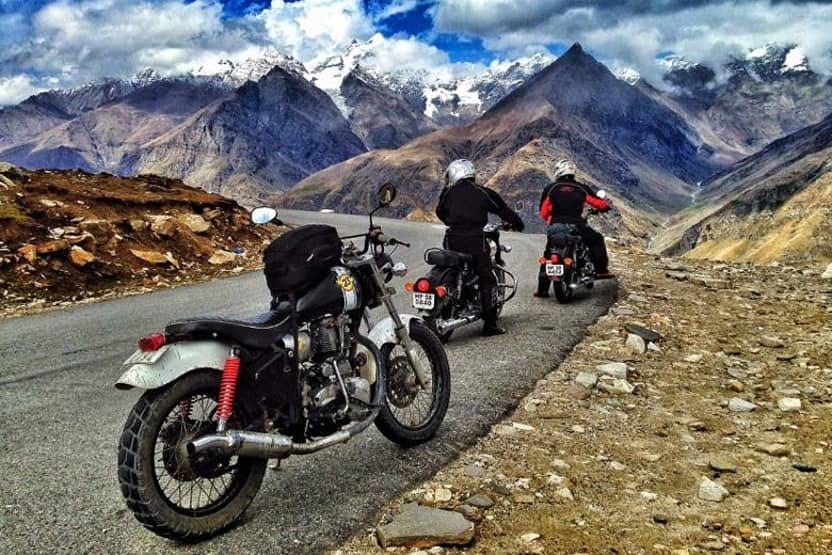
- The Himalayas (Himachal Pradesh, Uttarakhand, Ladakh): This is the prime time to escape the heat. Head to cooler hill stations like Shimla and Manali, or embark on high-altitude adventures in Ladakh and Kashmir.
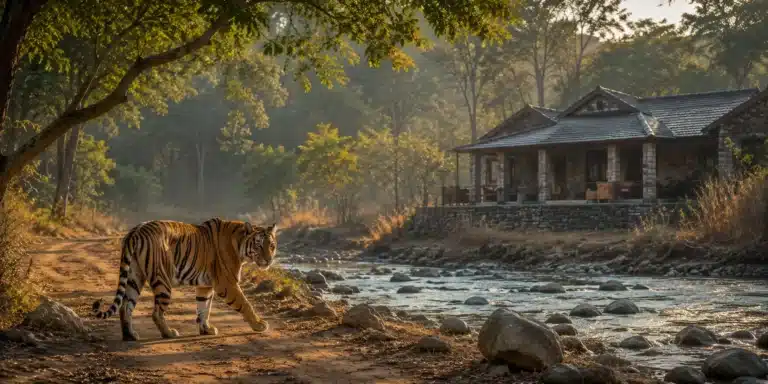
- Wildlife Safaris: Despite the heat, April and May are the best months for tiger spotting in national parks like Ranthambore and Bandhavgarh, as animals frequently gather around shrinking waterholes.
- Pros & Cons: Excellent for mountain treks, high-altitude road trips, and wildlife photography. However, the extreme heat in the plains makes daytime exploration very difficult.

3. Monsoon (July to September) – Low Season
The monsoon season brings much-needed relief from the summer heat, transforming the arid landscape into a lush, verdant paradise. While heavy rains can disrupt travel, it offers a deeply authentic and beautiful perspective on India.
- Ayurvedic Retreats in Kerala: The monsoon is traditionally considered the most effective time for Ayurvedic therapies, as the cool, moist air helps the body absorb herbal oils.
- Rain-Shadow Regions: Destinations like Ladakh and the Spiti Valley sit in the rain shadow of the Himalayas, meaning they remain relatively dry and perfectly accessible during these months.
- Pros & Cons: You will find the lowest travel prices, lush green photography opportunities, and fewer tourists. The downside includes potential flight delays, muddy roads, and limited beach access.

Month-by-Month Quick Guide to India
- January & February: Peak winter. Ideal for the Golden Triangle, Rajasthan, and South Indian beaches. Catch the Republic Day parade in Delhi (Jan 26).
- March & April: Transition into summer. Great for celebrating the Holi festival (March) and excellent for wildlife safaris before the extreme heat sets in.
- May & June: Peak heat in the plains. Shift your focus strictly to the Himalayan regions (Ladakh, Kashmir, Himachal Pradesh).
- July & August: Peak monsoon. Best for Ayurvedic treatments in Kerala or trekking in the Valley of Flowers (Uttarakhand).
- September & October: Post-monsoon lushness. The weather cools down, and festival season kicks off (Diwali and Dussehra usually fall around this time).
- November & December: Perfect weather returns. Highly recommended to book well in advance for Christmas and New Year trips to Goa and Kerala.
Choosing the Best Time Based on Your Interests
- For Beach Lovers: The winter months (November to March) offer the best sunshine and calm seas in Goa, Kerala, and the Andaman Islands.
- For Wildlife Enthusiasts: April and May are unmatched for tiger sightings, while bird watchers should aim for November to February when migratory birds arrive.
- For Adventure Seekers: Trekking and mountaineering in the Himalayas are best during the spring (March to May) and autumn (September to October).
- For Cultural Experiences: Time your visit around major festivals like Holi (March) or Diwali (October/November) for an unforgettable cultural immersion.
Frequently Asked Questions (FAQ)
Is it safe to travel to India during the monsoon?
Yes, but it requires flexibility. While cities can experience waterlogging, regions like Rajasthan become beautifully green and less crowded. For guaranteed dry weather during the monsoon, head to high-altitude deserts like Ladakh.
What is the cheapest time to visit India?
The monsoon season (July to September) and the peak summer months (May to June in the plains) offer the most significant discounts on flights and luxury hotel accommodations.
How many days do I need for a trip to India?
To comfortably see the highlights of one region (like the Golden Triangle or a Kerala tour), plan for at least 7 to 10 days. For a cross-country trip covering both the north and south, 14 to 21 days is recommended.
Plan Your Dream Trip with Suzu Travels
Choosing the best time to visit India is the first step in planning your journey. Why stress over the logistics and weather charts? Suzu Travels is your one-stop shop for planning the perfect Indian adventure. We offer a wide range of customized tour packages tailored precisely to the month you want to travel, your specific interests, and your budget.
Contact our local experts today to get a free custom quote and start building your dream itinerary!