
Unpacking the ‘Moons’: What Sets Them Apart?
In India, the journey of love and family is often marked by cherished traditions and exciting new trends. While the elaborate Indian wedding and the subsequent honeymoon have always been cornerstones of this journey, a newer, equally meaningful tradition is rapidly gaining popularity: the babymoon. Couples today are not just planning their post-wedding escapes; they’re also carving out special time to celebrate impending parenthood. But what exactly sets these two ‘moons’ apart, and why are both becoming indispensable for modern Indian families?
The Romantic Escape: What Defines a Honeymoon?
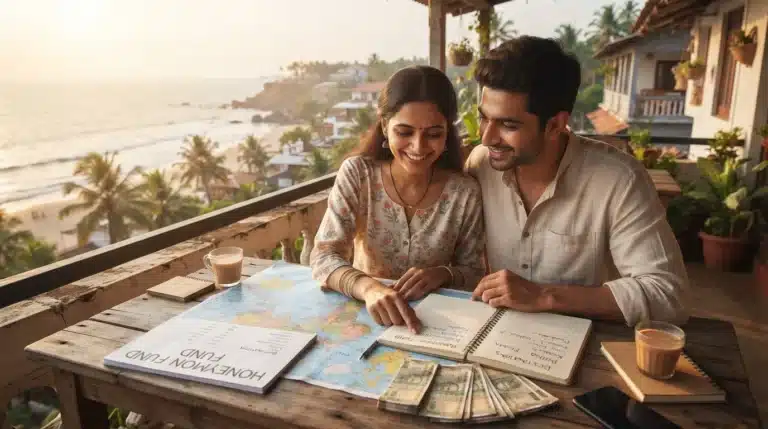
A honeymoon is a traditional post-nuptial trip, a magical period dedicated to celebrating a marriage and beginning a new life together. It’s often the first big adventure as a married couple, focusing on romance, exploration, and creating unforgettable memories, especially with unique adventure honeymoon ideas.
- Purpose: To celebrate the union, unwind after wedding planning, and ignite the romantic journey of marriage.
- Timing: Typically taken immediately after the wedding, though many Indian couples opt for a delayed trip due to family commitments or convenience.
- Focus: Adventure, luxury, romantic dinners, sightseeing, and often, a vibrant social scene or unique cultural experiences.
- Typical Destinations: International hotspots like Maldives, Bali, or Europe, and domestic gems like Goa, Kerala, or the majestic Himalayas (a personal favourite to curate at Suzu Travels!), where Kashmir offers ultimate luxury tour packages.
- Duration & Cost: Often longer, around 7-10 days, with costs ranging from ₹4,00,000 to ₹10,00,000 or more, depending on the destination and luxury level. For those conscious of expenses, learning how to plan a budget-friendly honeymoon can be invaluable. Research suggests a significant portion of couples receive cash gifts for their honeymoon, reflecting a shift towards experiential gifting.
The Serene Retreat: Embracing the Babymoon
A babymoon, on the other hand, is a pre-baby getaway for expectant parents. It’s a final opportunity to enjoy uninterrupted quality time as a couple before the beautiful chaos of parenthood begins. It’s about relaxation, introspection, and mentally preparing for the biggest change in their lives.
As a Certified Travel Planner at Suzu Travels, I’ve seen a surge in babymoon inquiries. It’s a testament to how Indian couples are prioritizing self-care and relationship nurturing before their baby arrives.
- Purpose: To relax, reconnect, pamper the expectant mother, and soak in the last moments of couple-only time.
- Timing: Crucially, during pregnancy, ideally in the second trimester.
- Focus: Wellness, spa treatments, leisurely meals, comfortable accommodations, light activities, and intimate conversations.
- Typical Destinations: Often closer to home and easily accessible, such as quiet beach resorts, tranquil hill stations, or luxury wellness retreats within India.
- Duration & Cost: Generally shorter, 3-5 days, making it more affordable, typically costing between ₹1,20,000 to ₹2,50,000.
Decoding the Babymoon Experience: What Do Couples Truly Do?
Unlike action-packed honeymoons, babymoons are intentionally mellow. The activities revolve around comfort and connection:
- Relaxation: Spa treatments (especially prenatal massages), lounging by a pool, reading, and simply enjoying peaceful surroundings.
- Gourmet Dining: Savoring delicious, safe-for-pregnancy meals without any rush.
- Intimate Walks: Gentle strolls in scenic locations, perhaps along a beach or through a garden.
- Nest-Preparing: Some couples might enjoy shopping for baby essentials or discussing baby names in a relaxed setting.
- Photography: Capturing beautiful maternity photos to remember this special time.
The essence is a slowdown, a pause to cherish the present moment as a duo.
Timing is Everything: When to Plan Your Babymoon Safely
For expectant parents, safety is paramount. Medical professionals and travel experts widely recommend the second trimester (weeks 14-28) as the safest and most comfortable window for a babymoon. This period typically sees a reduction in morning sickness, a boost in energy levels, and a lower risk of complications compared to the first or third trimesters.
- First Trimester: Often marked by fatigue and morning sickness, making travel less enjoyable.
- Third Trimester: Increased discomfort, potential for premature labor, and airline restrictions on flying make it less ideal. Always consult your doctor before making any travel plans during pregnancy, especially for international trips.
Beyond the Basics: Practical Considerations for Indian Couples
When planning either trip, especially in India, a few considerations become crucial:
- Destination Accessibility: For babymoons, choose destinations with direct flights or short travel times, and easy access to medical facilities. Destinations like Goa, Puducherry, or comfortable resorts in Rajasthan offer relaxation without excessive travel stress.
- Accommodation Comfort: Prioritize resorts or hotels that offer excellent service, comfortable bedding, and amenities catering to an expectant mother.
- Budgeting: While honeymoons are often a larger investment, babymoons are more flexible. Consider a luxurious staycation if extensive travel isn’t feasible.
A Special Naming: What About a “Honeymoon Baby”?
Interestingly, the term “honeymoon baby” is quite common! It simply refers to a baby conceived during the honeymoon period. It’s a charming, informal phrase that celebrates the romantic beginning of a new family. There’s no official or medical term for it, but it certainly adds to the romantic lore of that first trip as a married couple.
What is the difference between a babymoon and a honeymoon?
A honeymoon is a post-wedding trip celebrating marriage with romance and adventure, often longer and more expensive. A babymoon is a pre-baby trip during pregnancy, focused on relaxation, pampering, and quality couple time before parenthood, typically shorter and less costly.
What do couples do on a babymoon?
Couples on a babymoon focus on relaxation and intimacy. Activities often include spa treatments (like prenatal massages), leisurely meals, gentle walks, reading, discussing baby plans, and simply enjoying peaceful time together away from daily routines.
Which month of pregnancy is safe for a babymoon?
The second trimester (roughly weeks 14-28) is generally considered the safest and most comfortable time for a babymoon. During this period, morning sickness usually subsides, energy levels are higher, and the risk of complications is lower compared to the first or third trimesters. Always consult your doctor before traveling.
What is a honeymoon baby called?
A baby conceived during a couple’s honeymoon is commonly and informally referred to as a “honeymoon baby.” There isn’t a formal or medical term for it, but it’s a sweet way to acknowledge the romantic timing of their conception.
Whether you’re planning an exhilarating honeymoon to kickstart your married life or a serene babymoon to embrace impending parenthood, both journeys offer unique and invaluable experiences. From my decade of experience curating bespoke tours across the Himalayas and beyond, I’ve seen how these trips strengthen bonds and create cherished memories. Consider both an investment in your relationship and your growing family, ensuring each ‘moon’ perfectly suits your life’s beautiful milestones.