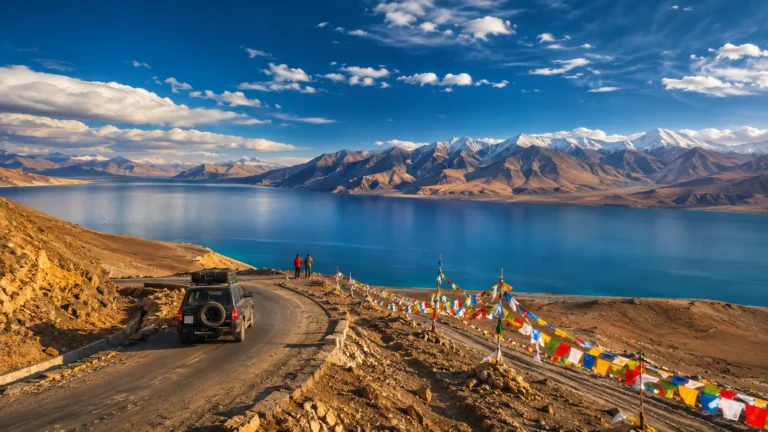

The first time I stepped off the plane in Leh and felt the thin mountain air fill my lungs, I understood why locals call Ladakh the “Land of High Passes.” My head throbbed, my legs felt like lead, and that simple walk from the tarmac to the arrival hall left me gasping. It was my introduction to what would become one of the most transformative journeys of my life—and a lesson I’ll never forget about the importance of proper preparation for high altitude trekking in Ladakh.
If you’re dreaming of traversing the Markha Valley, standing atop Khardung La, or watching the sunrise paint the Pangong Tso in shades of gold, you’re already envisioning the adventure. But here’s what many travelers discover too late: Ladakh’s raw beauty comes with serious challenges that require careful preparation. The difference between an unforgettable journey and a dangerous emergency often comes down to how well you’ve prepared before setting foot on that first mountain trail.
Having spent several weeks exploring Ladakh’s high-altitude trails across multiple visits, I’ve learned what works, what fails, and what can genuinely save your life at extreme elevations. This guide shares everything you need to know about preparing your body, mind, and gear for Ladakh’s demanding terrain.
Understanding Ladakh’s Extreme Altitude
Ladakh sits at elevations that would make most doctors nervous. The Indus Valley floor where Leh sits hovers around 3,500 meters (11,500 feet) above sea level, while many trekking routes push well beyond 5,000 meters (16,400 feet). To put this in perspective, many European Alps peaks that trekkers aspire to climb reach only around 4,800 meters—and those are considered extreme altitude destinations.
The air pressure at these elevations means each breath delivers significantly less oxygen than at sea level. At 3,500 meters, you’re breathing air with roughly 40% less oxygen than normal. At 5,000 meters, that drops to nearly 50% less. Your body simply cannot function the same way, regardless of how fit you are.
Key altitude facts for Ladakh trekking:
- Leh town: 3,500m – 3,500m
- Khardung La Pass: 5,359m – one of the world’s highest motorable passes
- Stok Kangri summit: 6,153m – a popular but demanding mountaineering objective
- Most trekking camps: 4,000m – 5,000m
- Many trekkers experience symptoms above 2,500m
The phenomenon that makes altitude so treacherous is Acute Mountain Sickness (AMS). While mild symptoms like headaches and fatigue are common and usually manageable, the condition can progress rapidly to High Altitude Cerebral Edema (HACE) or High Altitude Pulmonary Edema (HAPE)—both potentially fatal if not treated immediately.
Never underestimate Ladakh’s altitude. Even experienced mountaineers have been caught off-guard. Respect the mountain, prepare thoroughly, and always err on the side of caution.
Physical Fitness: Building Your High-Altitude Body
Here’s a truth that surprised me: being generally fit doesn’t automatically prepare you for high-altitude trekking. I know marathon runners who struggled terribly and casual hikers who adapting smoothly. What matters is specific conditioning that prepares your cardiovascular system for sustained exertion at low oxygen levels.
Aerobic Conditioning: The Foundation
At minimum, begin your training regimen 8-12 weeks before your Ladakh trip. Focus on activities that elevate your heart rate for extended periods:
- Running or cycling: 45-60 minute sessions, 4-5 times per week
- Stair climbing: The single most effective altitude simulation training
- Long hikes: Gradually increase distance and elevation gain
- Swimming: Excellent cardiovascular work without joint stress
When I prepare for Ladakh trips, I aim for at least one long hike per week with a weighted backpack (start with 5-8 kg, build to 10-15 kg). This builds the specific muscle endurance and cardiovascular capacity you’ll need when carrying your gear through mountain passes.
Strength Training for Mountain Terrain
Ladakh trekking demands strength that differs from gym workouts. Focus on:
- Leg strength: Squats, lunges, step-ups with weight
- Core stability: Planks, Russian twists, mountain climbers
- Hip flexibility: Critical for navigating uneven terrain
- Ankle strengthening: Prevents rolls and injuries on rocky trails
Include balance exercises like single-leg stands and bosu ball work. Uneven mountain trails require surprising amounts of core and ankle stability that most people never train.
Breathing Exercises and Lung Capacity
Pranayama techniques from yoga have proven remarkably effective for altitude preparation. Practice:
- Diaphragmatic breathing: Deep belly breathing for 10-15 minutes daily
- Box breathing: 4-second inhale, hold, exhale, hold pattern
- Pursed lip breathing: Especially useful during steep ascents
The Critical Role of Acclimatization
If there’s one piece of advice I cannot stress enough, it’s this: never rush your acclimatization. Altitude sickness doesn’t care about your itinerary, your flight bookings, or how much you’ve paid for your trip. Push too hard, too fast, and the mountain will force you to stop—or worse.
Health professionals recommend the “climb high, sleep low” principle: after reaching a new elevation, descend to sleep at a lower altitude whenever possible. For Ladakh specifically:
- Spend at least 2-3 days in Leh (3,500m) before any trekking
- Take daily rest days for every 1,000m elevation gain above Leh
- Never increase sleeping elevation by more than 500m per day
- Hydrate constantly—aim for 3-4 liters daily minimum
For this, I’d recommend checking out Glimpses of Ladakh tour packages—they build mandatory acclimatization days into their itineraries and provide oxygen-equipped vehicles for added safety during road transfers.
Recognizing Altitude Sickness Symptoms
Understanding the symptoms of altitude-related illness is non-negotiable. Learn to distinguish between:
Acute Mountain Sickness (AMS) – Mild but Monitor Closely:
- Headache (usually the first symptom)
- Fatigue and weakness
- Nausea or loss of appetite
- Dizziness
- Sleep disturbances
High Altitude Cerebral Edema (HACE) – Medical Emergency:
- Severe headache not relieved by medication
- Confusion, disorientation
- Loss of coordination (ataxia)
- Slurred speech
- Hallucinations
High Altitude Pulmonary Edema (HAPE) – Medical Emergency:
- Severe shortness of breath, even at rest
- Coughing, potentially with frothy pink sputum
- Chest tightness or congestion
- Extreme fatigue
- Bluish lips or fingernails
If either HACE or HAPE symptoms appear, descend immediately—don’t wait, don’t hope it improves. These conditions can progress rapidly and are fatal if not treated. There are no home remedies for these conditions.
Essential Gear for Ladakh Trekking
Proper equipment isn’t about luxury in Ladakh—it’s about survival. The temperature can swing dramatically from scorching afternoons to freezing nights, UV radiation is intense at altitude, and weather can change within minutes.
Layering System: The Key to Temperature Management
The golden rule of high-altitude dressing is layering. Never rely on a single thick jacket. Instead, build a system:
- Base layer: Moisture-wicking synthetic or merino wool (avoid cotton)
- Insulation layer: Fleece or lightweight down jacket
- Outer shell: Waterproof and windproof jacket
- Additional layers: Softshell pants, down pants for camp
I learned this the hard way during a sudden snowstorm on the Stok Kangri approach—weather in Ladakh does not follow any predictable schedule, and having the right layers meant the difference between misery and manageable discomfort.
Critical Gear Checklist
Footwear:
- Broken-in waterproof trekking boots (mandatory)
- Camp shoes or comfortable sandals for evenings
- Multiple pairs of moisture-wicking socks
- Foot powder to prevent blisters
Shelter and Sleeping:
- Four-season sleeping bag (rated to -15°C or colder)
- Sleeping mat with R-value of 4+
- Earplugs (camps can be noisy with wind and animals)
Hydration and Nutrition:
- Insulated water bottles (2 liters minimum capacity)
- Water purification tablets or filter
- High-calorie snacks (nuts, chocolate, energy bars)
- Electrolyte replacement packets
Sun Protection:
- High SPF sunscreen (50+ recommended)
- UV-protective sunglasses (category 3-4)
- Sun hat with neck flap
- Lip balm with SPF
First Aid and Emergency:
- Personal medications (more on this below)
- Diamox (acetazolamide) – consult your doctor
- Pain relievers and anti-inflammatory medication
- Blister treatment supplies
- Emergency blanket
- Headlamp with extra batteries
Health Preparation and Medications
Before your Ladakh adventure, a thorough medical consultation is essential. Visit a travel medicine specialist at least 4-6 weeks before departure to discuss:
Altitude Medication: Diamox (Acetazolamide)
Diamox is the most commonly prescribed medication for altitude sickness prevention. However, it’s not a magic pill—it assists acclimatization but doesn’t replace proper climbing practices. Discuss with your doctor whether it’s appropriate for you, as it has contraindications with certain conditions and medications.
If prescribed, typical protocols include:
- 125mg twice daily, starting 24 hours before ascent
- Continue for the first 48 hours at altitude or until acclimatized
- Side effects may include tingling in fingers/toes and increased urination
Other Recommended Medications
- Ibuprofen: For headaches and altitude-related discomfort
- Anti-nausea medication: Like promethazine or ondansetron
- Antibiotics: For diarrhea (carry a broad-spectrum option)
- Altitude-specific oxygen supplements: Some trekkers bring personal canned oxygen canisters
Pre-Existing Conditions: Special Considerations
If you have any of the following conditions, extra precautions are mandatory:
- Heart conditions: Consult a cardiologist for stress testing
- Respiratory issues: Asthma requires careful management planning
- Diabetes: Blood sugar behaves differently at altitude
- Pregnancy: Generally not recommended above 3,500m
- Anemia: Low hemoglobin severely impacts altitude tolerance
Never隐瞒 any medical conditions from your trekking operator or guide. Your safety—and potentially your life—depends on complete honesty about your health status.
Mental Preparation: The Mind at Altitude
Physical preparation gets most of the attention, but mental readiness is equally crucial for high-altitude success. At extreme elevations, your mind can play tricks, decision-making suffers, and motivation can evaporate when exhaustion sets in.
Building Mental Resilience
Practice these techniques during your training:
- Discomfort tolerance: Train in uncomfortable conditions intentionally
- Goal visualization: Mentally rehearse reaching your summit or completing your trek
- Breathing meditation: Reduces anxiety and helps manage panic
- Positive self-talk: Replace “I can’t” with “one step at a time”
I’ve found that meditation practice significantly improved my ability to stay calm when facing difficult moments—like when a sudden storm forced me to make decisions about shelter while exhausted and oxygen-deprived.
Understanding the “Altitude Mind”
At high elevation, cognitive function naturally declines. You may experience:
- Impaired judgment
- Reduced concentration
- Emotional volatility
- Slowed reaction time
- Confusion and disorientation
This is why never trekking alone at extreme altitudes is non-negotiable. Having companions who can recognize when you’re not thinking clearly—and vice versa—provides a critical safety net.
Nutrition and Hydration Strategy
What you eat and drink before and during your Ladakh trek directly impacts your ability to handle altitude. Your body requires significantly more calories at elevation—approximately 4,000-5,000 calories daily for sustained trekking, compared to the typical 2,000.
Pre-Trip Nutrition
In the weeks leading up to your trek:
- Increase carbohydrate intake for glycogen stores
- Ensure adequate iron intake for oxygen-carrying capacity
- Maintain balanced nutrition with plenty of fruits and vegetables
- Consider iron supplementation if prone to deficiency (blood tests confirm)
During the Trek
Hydration requirements at altitude:
- Minimum 3-4 liters daily (more if active)
- Drink before feeling thirsty—by then you’re already dehydrated
- Warm fluids help maintain body temperature
- Electrolyte supplements prevent hyponatremia
Caloric needs:
- High-carbohydrate foods for quick energy
- Protein and fat for sustained fuel
- Frequent small meals rather than large infrequent ones
- Hot meals in camp maintain morale and body warmth
Local operators like Suzu Travels understand these nutritional needs and ensure their trekking packages include appropriate high-energy meals—another reason their comprehensive approach to Ladakh preparation stands out.
Choosing Your Trekking Route Wisely
Ladakh offers treks ranging from gentle valley walks to demanding multi-week expeditions. Choosing appropriately for your experience level and preparation is fundamental.
Beginner-Friendly Options
- Sham Valley Trek: Lower altitude (3,500-4,000m), beautiful villages, moderate difficulty
- Hemis to Thiksey: Relatively short, cultural focus, easier terrain
- Leh to Nubra via Khardung La: Mix of driving and short walks
Intermediate Treks
- Markha Valley Trek: Classic Ladakh experience, 6-8 days, passes around 5,200m
- Zanskar to Chadar Trek: Frozen river walking in winter, unique challenge
- Lamayuru to Alchi: Diverse landscapes, monastery visits
Advanced Expeditions
- Stok Kangri Summit: Technical climb, requires glacier travel experience
- Kang Yatse II: Demanding mountaineering objective
- Extended remote treks: Multiple weeks in isolated regions
Be honest with yourself about your capabilities. There’s no shame in choosing an easier route—summiting Stok Kangri isn’t the measure of a successful Ladakh trip. The breathtaking monasteries, warm Ladakhi hospitality, and profound mountain silence are accessible to every fitness level with the right preparation.
If you’re looking for more off-the-beaten-path adventures, discover these lesser-known trails that can completely change your Ladakh experience.
Final Week Preparation Checklist
As your departure approaches, ensure everything is in order:
- Documents: Valid passport, India visa, Inner Line Permits (arranged through tour operator)
- Insurance: Verify coverage includes high-altitude trekking (many policies exclude above 4,000m)
- Emergency contacts: Save consulate, rescue services, and tour operator numbers
- Gear check: Test everything, especially unfamiliar items
- Download offline maps: CarryMaps or similar apps for remote areas
- Cash: ATM access is limited in Ladakh; carry sufficient rupees
- Communication: Local SIM card (Airtel or BSNL work best) or satellite phone for remote routes
Understanding the permit requirements is crucial—trekking in Ladakh without proper permits can lead to serious complications and safety risks.
Your Ladakh Journey Awaits
Preparing for high-altitude trekking in Ladakh requires commitment, knowledge, and respect for the mountains. The reward is an experience that transcends ordinary travel—moments of profound solitude on empty ridges, sunrise over ancient monasteries, and the deepest satisfaction of achieving something genuinely challenging.
Every successful Ladakh trek begins long before you arrive at Leh. It starts with those early morning training sessions, the careful gear decisions, and the mental preparation that builds unshakeable confidence. By following this guide, you’re not just preparing for a trek—you’re preparing for transformation.
The mountains will test you. They’ll challenge your body, push your limits, and occasionally frighten you. But with thorough preparation, you’ll discover reserves of strength and resilience you never knew you possessed.
Suzu Travels provides professionally curated Ladakh tours that prioritize safety and comfort for your high-altitude mountain adventure. Whether you need assistance with permits, want expert guidance on acclimatization schedules, or simply prefer the security of oxygen-equipped support vehicles, their experience in navigating Ladakh’s unique challenges can make all the difference.
Now lace up those boots, fill your water bottle, and take that first step toward your Ladakh adventure. The Trans-Himalayan trails are waiting, and they’re more magnificent than you can currently imagine.