
Have you ever found yourself scrolling through countless travel blogs, trying to figure out when to book your Himachal trip, only to end up more confused than when you started? You’re not alone. Every year, thousands of travelers face the same dilemma: Should you chase the summer crowds to Manali? Brave the monsoon for cheaper rates? Or bundle up for a winter wonderland experience in Shimla?
The truth is, asking “what is the best month to visit Himachal?” is like asking a parent which child they love more. The answer depends entirely on what you’re looking for. And that’s exactly why I’ve created this comprehensive guide.
After spending over three years exploring every corner of this magnificent state—from the bustling Mall Road in Shimla to the serene villages of Spiti Valley—I’m breaking down everything you need to know about timing your perfect Himalayan escape.
Understanding Himachal’s Diverse Climate Zones
Before diving into specific months, it’s crucial to understand that Himachal Pradesh isn’t a one-size-fits-all destination. The state spans multiple climate zones, each offering drastically different experiences depending on when you visit.
According to the India Meteorological Department (IMD), Himachal Pradesh experiences climate ranging from subtropical conditions in the lower valleys (Kangra and Solan districts) to harsh alpine conditions in the high-altitude regions of Lahaul-Spiti and Kinnaur.
This means your perfect month in Dharamshala could be completely different from your ideal time in Spiti Valley. Understanding these micro-climates is essential for planning your trip.
The Three Major Tourism Zones
- Lower Himachal (600-1,500m): Dharamshala, Palampur, Kangra, and McLeodganj. These areas remain accessible year-round with relatively mild winters compared to higher altitudes.
- Mid-altitude Himachal (1,500-2,500m): Shimla, Kufri, Manali, and Kullu. The most popular tourist belt, experiencing distinct seasons with heavy snowfall in winter.
- High-altitude Himachal (2,500m+): Spiti Valley, Kinnaur, Rohtang Pass, and Lahaul. These regions have extremely short tourist windows and require careful planning.
The Complete Month-by-Month Breakdown
January-February: Peak Snow Tourism Season
If watching snowflakes fall from cozy mountain windows is your definition of paradise, then January and February are calling your name. During these months, the Himachal Pradesh Tourism Development Corporation (HPTDC) reports that resort towns like Kufri and Manali reach maximum capacity as snow tourism peaks.
Average temperatures in Shimla drop to -2°C to 10°C, while higher areas like Solang Valley experience sub-zero conditions perfect for skiing and snow activities. I still remember waking up to a completely white-washed Manali in January 2022—the kind of scenery that makes every chilly morning worth it.
What to Expect:
- Snow-covered landscapes perfect for photography
- Heavy crowds during New Year and school holidays
- Road closures possible due to snowfall (especially on NH-3 toward Rohtang)
- Limited accessibility to high-altitude destinations like Spiti
Budget Tip: Late February (after the New Year rush) offers significantly better hotel rates while still providing excellent snow conditions. For this reason, many seasoned travelers consider late February the sweet spot for budget-conscious snow lovers. If you’re planning your expenses carefully, you might want to check out this detailed Himachal trip cost breakdown to better plan your winter getaway.
March-April: The Underrated Spring Window
Here’s a local secret that most travel blogs won’t tell you: April to May might just be the most underrated time to visit Himachal Pradesh. As the snow begins to melt and spring flowers bloom across the valleys, the landscape transforms into a photographer’s dream.
During my April visit to the Kangra Valley, I was blown away by the carpets of purple and yellow wildflowers stretching across the hillsides. The temperature hovers around a comfortable 15°C to 25°C in mid-altitudes, making it perfect for sightseeing without the scorching heat that grips the plains below.
This is also when the legendary Spiti Valley starts becoming accessible. The road through Kinnaur (NH-5) typically opens by late April or early May, though dates vary yearly depending on snow clearing operations.
Expert Recommendation: According to travel experts and local hoteliers I’ve spoken with over the years, April marks the beginning of what’s often called the “pre-summer rush” window—a brief period where high-altitude tourist spots become accessible before the massive summer vacation crowds arrive.
May-June: The Summer Vacation Peak
Let’s address the elephant in the room: May and June represent the undisputed peak tourist season in Himachal Pradesh. Why? Because while the plains below swelter in temperatures exceeding 40°C, hill stations like Shimla and Manali offer a pleasant 20°C to 30°C respite.
Data from HPTDC indicates that tourist footfalls during these months can exceed 15-17 million annually, with weekend traffic sometimes bringing the popular destinations to a near standstill. The Mall Road in Shimla becomes so crowded that locals joke about needing a weekend pass just to visit.
However, there’s a reason this remains the most popular time to visit. Rohtang Pass (when open) offers breathtaking snow views, adventure activities are in full swing, and the entire tourism infrastructure operates at maximum capacity with every activity and attraction available.
Adventure Alert: For trekking enthusiasts, May-June is ideal for popular routes like the Hampta Pass trek and Pin Parvati Valley. The trails are clear, streams are fed by melting snow, and mountain passes offer stunning vistas.
July-August: The Monsoon Challenge
I’ll be frank with you: visiting Himachal during the monsoon season requires careful consideration and a flexible mindset. While the hills are undoubtedly lush and green during these months, the risks are substantial.
According to IMD data, Himachal has experienced increasingly erratic monsoon patterns. In 2023, the state witnessed record-breaking rainfall that caused a 30-40% dip in tourism revenue during typical peak summer months due to extensive infrastructure damage. The Shimla-Kalka and Manali-Leh corridors frequently face landslides and road closures during this period.
If you’re determined to visit during monsoon, here’s what the experts recommend:
- Stick to lower-altitude regions like Dharamshala or Palampur where landslide risks are reduced
- Maintain extremely flexible itineraries with buffer days
- Avoid high-altitude travel, especially near riverbeds and mountain slopes
- Monitor weather reports daily and be prepared for sudden closures
Silver Lining: Hotel rates drop significantly during monsoon, sometimes by 40-50% compared to peak season. If budget is your primary concern and you’re willing to accept travel disruptions, this could work in your favor. Late August, specifically, is considered one of the cheapest times to visit.
September-October: The Post-Monsoon Paradise
If I had to crown a single “best” time to visit Himachal, September-October would be a strong contender for the title. Here’s why travel experts consistently recommend this window for adventure activities:
After the monsoon flushes the landscape clean, the air becomes impossibly crisp. Skies clear to reveal brilliant shades of blue, and the meadows of alpine regions like Gulaba and Marhi display their autumn colors in full glory. The temperature ranges from 10°C to 25°C—perfect for hiking, photography, and sightseeing.
For trekkers specifically, September to October represents the ideal window. High-altitude passes like Rohtang and Hampta remain accessible before winter snows close them, trails are in excellent condition, and visibility for mountain photography is at its peak.
Regional Advantage: This is when Spiti Valley truly shines. The harsh summer crowds have departed, but the weather remains stable enough for comfortable exploration. The valley’s stark desert landscapes against clear autumn skies create some of the most memorable photography opportunities in the entire Himalayan range.
November-December: The Transition Period
November serves as a transitional month, with temperatures dropping steadily and the first snows of winter beginning to appear at higher altitudes. By late November, Shimla typically sees its first snowfall of the season, marking the beginning of the winter tourism cycle.
This period offers a unique opportunity for those seeking to experience both autumn colors and early winter snow—a rare combination that’s becoming increasingly popular among photographers and nature enthusiasts.
The crowds thin considerably compared to October, and many adventure activities begin winding down. However, the infrastructure remains fully operational, and hotel rates haven’t yet hit the premium winter pricing.
Best Time Based on Your Travel Style
Understanding what you want from your Himachal experience is crucial for determining the best month for YOUR visit. Let me break this down by traveler type:
For Snow Enthusiasts: January-February
If your dream vacation involves building snowmen, sipping hot chocolate by a fireplace, and waking up to frozen windowpanes, winter is your season. The ski resorts in Kufri and Solang offer activities for all skill levels, and the entire landscape transforms into a magical winter wonderland.
Expert Tip: Book your accommodation at least 3-4 weeks in advance for January travel, as this is peak season for both domestic and international tourists seeking snow experiences.
For Budget Travelers: Late February or Late August
As mentioned earlier, February (after the New Year rush) and late August offer the leanest periods for tourism. Data from travel portals shows that hotel discounts can reach up to 50% during these windows compared to peak season pricing. While you’ll face some weather-related challenges, the savings can be substantial.
For Adventure Seekers: September-October
Trekkers, mountaineers, and adventure sports enthusiasts consistently rate post-monsoon autumn as the premier season. The combination of stable weather, clear skies, accessible passes, and excellent trail conditions creates optimal conditions for high-altitude adventures.
For Culture and Festivals: October-November
If experiencing local culture is your priority, plan your visit around the Kullu Dussehra festival in October or the Losar celebrations in February. These festivals offer unique insights into the local traditions, customs, and religious practices of Himachal Pradesh that most tourists never get to witness.
For Digital Nomads and Workations
With the rise of remote work, many travelers are now considering Himachal as a destination for extended stays. The best seasons for working remotely depend on your priorities:
- March-May and September-November: Best for consistent power supply and reliable internet connectivity
- Monsoon (July-August): Risk of power outages and internet disruptions due to weather
- Winter (December-February): Possible load shedding and connectivity issues in remote areas, though town centers generally remain well-connected
Regional Considerations: One Month Doesn’t Fit All
This is where most generic travel guides fall short. Asking “what is the best month to visit Himachal?” without specifying which region is like asking about the best time to visit Europe—completely dependent on your destination.
Shimla and Central Himachal
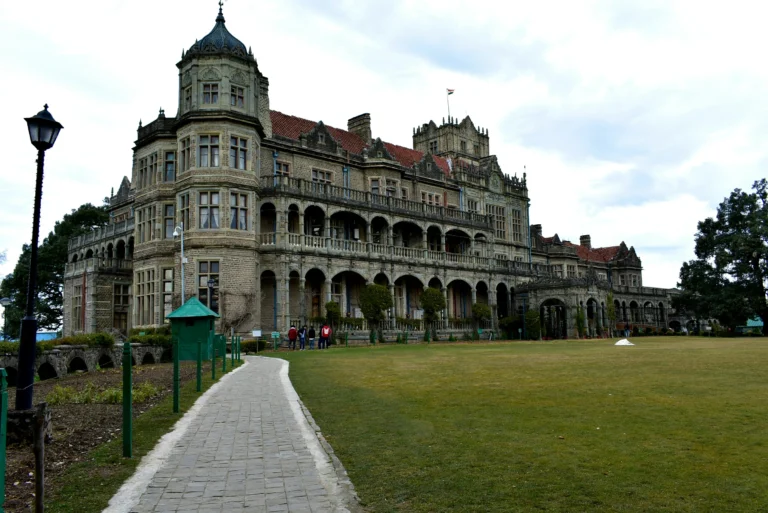
For Shimla tourism, April-June and September-November offer the best balance of weather and accessibility. Winter (December-February) is magical but comes with potential road closures on the Kalka-Shimla highway. If you’re considering a road trip to the hills, it’s worth understanding the current state of Himalayan highway safety before planning your journey.
Manali and Kullu Valley
Manali’s tourism calendar is heavily influenced by Rohtang Pass accessibility. Typically, Rohtang opens in May and closes by October/November, though this varies yearly. Plan Manali trips during May-June for the best overall experience, or September-October for fewer crowds with maintained accessibility.
Spiti Valley: A Different Calendar Entirely
Spiti Valley operates on its own schedule. The valley remains cut off from the rest of Himachal for approximately 6 months each year due to snow-blocked passes. The tourist window generally runs from June to September, with July-August carrying monsoon risks and June-September offering the most stable conditions.
Winter visits to Spiti are possible but extremely challenging. Temperatures can drop to -20°C, most roads are blocked, and only the most experienced winter trekkers should attempt visits during this period.
Dharamshala and Lower Himachal
If monsoon safety is a concern but you want to experience the monsoon season, Dharamshala and the Kangra Valley offer a more stable alternative. These lower-altitude regions experience less dramatic weather disruptions while still enjoying the lush, green scenery that monsoon brings to the hills.
Practical Tips for Each Season
Summer Packing (May-June)
- Light woolens for evenings (temperatures can drop significantly at higher altitudes)
- Sun protection: sunscreen, sunglasses, and hats
- Comfortable walking shoes for sightseeing
- Rain gear as unexpected showers can occur
Winter Packing (December-February)
- Heavy woolens and thermal innerwear
- Waterproof jackets and insulated boots
- Hand warmers and thick socks
- Medications for altitude sickness if traveling to high altitudes
Monsoon Essentials (July-August)
- Waterproof everything: bags, shoes, and raincoats
- Anti-slip footwear
- Basic first aid kit including motion sickness medication
- Emergency contact numbers and offline maps
Sustainability and Responsible Tourism
Here’s a perspective that more travelers should consider: visiting during shoulder seasons or choosing off-beat destinations helps reduce the overwhelming strain on popular tourist hubs like Shimla and Manali. Data from travel portals shows a significant shift toward locations like Tirthan Valley and Chitkul during April and October as tourists seek to escape the crowds.
By choosing less congested travel periods and exploring regions beyond the typical itinerary, you’re not just getting a more authentic experience—you’re also contributing to more sustainable tourism practices that benefit local communities year-round rather than just during peak season.
Transportation Considerations by Season
Getting around Himachal Pradesh can be significantly impacted by the time of year you visit. Here’s what you need to know:
- Summer: Bus services run frequently but can be extremely crowded. Private taxis are readily available but priced higher during peak season.
- Monsoon: Expect significant delays and potential road closures. Public transport may be restricted on certain routes.
- Winter: Chain restrictions on vehicles are common. Four-wheel-drive vehicles may be required for certain routes. Flights to Shimla/Kullu may face weather-related delays.
- Shoulder Seasons: Generally the smoothest travel periods with minimal disruptions and good availability of transport options.
For those seeking hassle-free transportation during their Himachal adventure, Himachal tour package Shimla Manali options often include private AC sedan transfers that eliminate the stress of navigating seasonal road conditions and public transport schedules.
Making Your Decision: The Final Verdict
After exploring every angle, here’s the honest truth: there is no single “best” month to visit Himachal Pradesh because the answer entirely depends on what you want from your trip.
If you want snow and winter activities → January-February
If you want pleasant weather and accessible mountains → April-May or September-October
If you’re on a tight budget → Late February or late August
If you’re seeking adventure and trekking → September-October
If cultural immersion is your priority → October (Kullu Dussehra) or February (Losar)
The key is honest self-assessment of your priorities, comfort with weather uncertainties, and flexibility in your travel plans. Himachal Pradesh rewards every visitor with its unique charm—you just need to time your visit right for your specific interests.
Whether you’re planning a romantic couple’s retreat, a family vacation, a solo adventure, or a workation in the mountains, understanding these seasonal dynamics will help you craft the perfect Himachal experience. Suzu Travels offers seamless Himachal tour packages, combining comfortable private transport with well-curated itineraries for a stress-free mountain getaway.
So, what’s holding you back? The mountains are waiting, and now you know exactly when to answer their call.