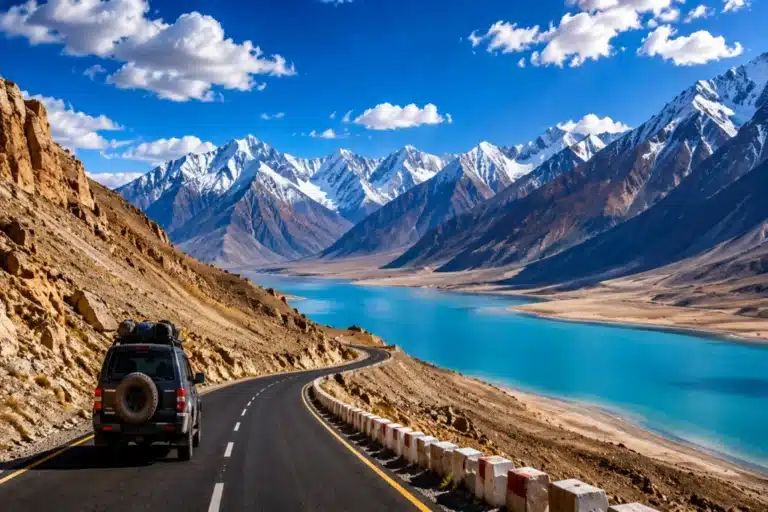

Have you ever booked a winter getaway to Shimla, dreaming of a pristine white landscape, only to find nothing but dry pine needles and grey concrete? You are not alone. Thousands of travelers head north every year, expecting a winter wonderland, only to discover that the mountains don’t always play by our holiday calendars.
In my decade of traversing the Western Himalayas, I have seen first-time tourists make the same mistake over and over: assuming that ‘winter’ automatically translates to ‘snow.’ The truth is, the Himalayas are changing. If you want to witness the magical transformation of these pine forests into a snowy paradise, you have to understand the science behind the weather and know exactly where—and when—to look.
Let’s dissect the climate data, look at historical shifts, and map out the ultimate snow-chasing itinerary so you can plan the absolute best time to visit himachal for snowfall with surgical precision.
The Science of Snow: Understanding the Western Disturbance
To catch a snowstorm in Himachal Pradesh, you have to think like a meteorologist, not just a tourist. Snow in this region does not fall continuously throughout the winter. Instead, it occurs in distinct cycles driven by a meteorological phenomenon known as the “Western Disturbance.”
These are extra-tropical storms originating in the Mediterranean region. They travel eastward across Iraq, Iran, and Afghanistan, gathering moisture before crashing into the towering barrier of the Himalayas. When these moisture-laden winds collide with the freezing air over Himachal’s peaks, they trigger heavy precipitation in the form of snow.
According to historical monitoring by the India Meteorological Department (IMD) Shimla Center, these disturbances have grown increasingly unpredictable over the past decade. Where December once saw reliable, steady snowfall across mid-altitude towns, we now see a clear shift. The active cycles of Western Disturbances have migrated deeper into January and February, making mid-winter the true sweet spot for snow lovers.
If you are planning your trip solely around Christmas or New Year’s Eve, you are gambling with a very low statistical probability of seeing active snowfall. To maximize your chances, you must learn to read the weather forecasts roughly three to five days before your departure. Look for active western disturbance warnings issued by the IMD to time your arrival with precision.
The Ultimate Snow Reliability Map: When and Where It Actually Snows
Not all Himalayan destinations are created equal. Altitude is the ultimate deciding factor when tracking down fresh powder. Let’s break down the regional nuances to help you pinpoint the best time to visit himachal for snowfall based on your specific tolerance for crowds and cold.
Altitude Zones and Snow Probabilities
To make your planning easier, I categorize Himachal’s primary destinations into three distinct altitude zones:
- Zone A (High Altitude: Above 2,800 meters): Places like Sissu, Keylong, Kalpa, Narkanda, and Rohtang Pass. These areas have a 90% probability of snow from late December through March.
- Zone B (Mid Altitude: 2,000 to 2,800 meters): Places like Manali, Kufri, Dalhousie, and Mashobra. These zones have a 60% probability of snow, concentrated mostly between mid-January and mid-February.
- Zone C (Low Altitude: Below 2,000 meters): Places like Dharamshala, central Shimla, and Palampur. Snowfall here is extremely rare, happening perhaps once or twice a year during extreme weather anomalies.
If you want to ensure your boots crunch on fresh snow, target high-altitude zones. In my experience, even if the lower valleys remain dry, crossing a high-altitude pass or driving through the Atal Tunnel can transport you into a winter paradise within minutes.
Month-by-Month Breakdown of Snowfall in Himachal Pradesh
To help you structure your winter itinerary, here is an honest look at what each winter month actually looks like on the ground.
November: The First Hints of Winter
November is a transitional phase. Lower regions are crisp and sunny, while high-altitude passes like Rohtang and Kunzum receive their first dusting of the season. This is not the month for a classic winter holiday, as general accessibility is limited, and most high-altitude roads begin to close due to early icing. The air is dry, and the cold is sharp but lacking the deep snow cover most travelers desire.
December: The Real Snow Season Begins (Hit or Miss)
December is highly sought after because of school holidays and the festive season. However, it is a high-risk gamble. In the last decade, Shimla has seen a massive 40% reduction in December snow days. If you visit in early December, you will likely find cold nights and dry, sunny days. By late December (around Christmas), higher reaches like Solang Valley near Manali or Narkanda near Shimla may experience their first major seasonal snowfall. If you want guaranteed snow in December, you must head past the Atal Tunnel into Lahaul Valley.
January: The Heart of the Snow Season
This is it. If your primary objective is to see heavy, active snowfall and build a snowman, January is arguably the best time to visit himachal for snowfall. Temperatures drop below freezing in most hill stations, and the Western Disturbances are at their peak intensity. Towns like Manali, Dalhousie, Kufri, and Narkanda are routinely blanketed in thick layers of snow. Be prepared for sub-zero temperatures, potential road blockages, and soaring hotel prices.
February: Deep Snow and Fewer Crowds
February is my personal favorite month for chasing snow. The accumulation from January remains thick on the ground, and subsequent storms add fresh powder regularly. Because the school holiday rush has ended, hotel rates drop significantly, and the popular view points are much less chaotic. The snow during this month is often higher quality—drier and fluffier—making it perfect for skiing and snowboarding in places like Solang Valley and Narkanda.
March: The Off-Season Advantage
By March, spring begins its approach in the lower valleys, but the high-altitude pockets retain heavy snow. If you want to experience snow without enduring bone-chilling sub-zero temperatures, early March is a fantastic option. You can enjoy snow activities in places like Solang Valley or Rohtang Pass during the day and return to a relatively comfortable, warm room in Manali at night.
Deciding the Best Time to Visit Himachal for Snowfall: Peak vs. Late Season
When planning your trip, you will need to choose between two very different winter experiences: the chaotic peak season or the serene, budget-friendly late season.
| Feature | Peak Season (Mid-Dec to Jan) | Late Season (Feb to Early March) |
|---|---|---|
| Snow Quality | Fresh, wet snow; frequent active storms | Accumulated dry snow; great for adventure sports |
| Crowd Levels | Extremely high; long traffic jams on major routes | Moderate to low; peaceful sightseeing |
| Hotel Tariffs | Peak pricing (often double the standard rates) | Standard winter rates; room discounts available |
| Road Access | Highly volatile; frequent sudden closures | More predictable; local authorities clear roads quickly |
For budget travelers, the late-winter shift is a blessing when planning the best time to visit himachal for snowfall without paying peak premiums. If you travel in mid-February, you get the double benefit of spectacular snowy vistas and affordable, stress-free hospitality services.
Hidden Snow Havens (Expert Recommendations to Avoid the Crowds)
While the vast majority of tourists head straight to Manali or Shimla, these hubs quickly become overwhelmed during a snowstorm. Traffic gridlocks on the roads to Kufri or Solang Valley can leave you stranded in your vehicle for hours. If you want to experience the magic of winter without the tourist chaos, consider these expert-approved alternatives:
1. Kalpa and Sangla (Kinnaur District)
Nestled deep in the Kinnaur Valley, Kalpa sits at an altitude of over 2,900 meters. This region offers jaw-dropping, uninterrupted views of the Kinner Kailash range. Because of its distance from major airports, it receives only a fraction of the tourists that flood Shimla. In January and February, Kalpa turns into a serene, silent winter wonderland. The local architecture, characterized by intricate wooden temples and traditional Himachali homes, looks absolutely stunning under a thick layer of fresh snow.
2. Narkanda
Located just two hours beyond Shimla, Narkanda is a much quieter alternative to Kufri. Surrounded by dense spruce and oak forests, it sits at 2,700 meters. Narkanda is famous for its apple orchards, which look magical under winter blankets, and Hatu Peak, which offers 360-degree panoramic views of the snow-clad Himalayas. It also serves as a premier destination for budget-friendly skiing lessons conducted by local instructors.
3. Sissu (Lahaul Valley via Atal Tunnel)
Before the construction of the engineering marvel known as the Atal Tunnel, the Lahaul Valley was completely cut off from the rest of the world during winter. Today, you can drive through the 9.02 km tunnel from Manali and emerge into a completely different landscape. Sissu sits on the other side of the Pir Panjal range. Even if Manali is experiencing dry winter weather, Sissu almost always has a thick, heavy blanket of snow due to its geographical positioning. The frozen waterfall at Sissu is a sight you will not soon forget.
Surviving the Cold: Crucial Snow Safety & Vehicle Tips
A winter trip to the Himalayas can go from magical to miserable in a matter of minutes if you are unprepared. The extreme cold and challenging road conditions require careful planning and respect for the terrain.
The Danger of Black Ice
Many self-drive tourists are unaware of “black ice.” This is a thin, transparent coating of ice that forms on roads, usually early in the morning or late in the evening when melted snow refreezes. Because it looks like a simple wet patch on the asphalt, drivers often speed over it, leading to sudden loss of control and skidding. I highly recommend hiring a local, experienced Himachali taxi driver rather than renting a self-drive car if you are not accustomed to driving in sub-zero alpine environments.
Essential Road Safety Rules
- Never drive on snow-covered roads after sunset. Temperatures drop rapidly, turning soft snow into slick ice.
- If your vehicle starts to skid, do not slam on the brakes. Instead, pump the brakes gently and steer into the direction of the skid.
- Ensure your vehicle has anti-freeze coolant. If you are traveling to ultra-cold zones like Spiti or Lahaul, park your vehicle facing away from the cold wind to prevent the fuel lines from freezing.
- Keep track of the Himachal Pradesh Public Works Department (HPPWD) road clearance bulletins, as high passes can close for days after an active blizzard.
Frequently Asked Questions About Himachal Snowfall
Planning a trip to a winter climate comes with plenty of logistical questions. Here are clear, realistic answers to the questions travelers ask most frequently.
When can I see snowfall in Himachal?
Active, live snowfall is most commonly observed between mid-December and late February. While high-altitude passes like Rohtang or Kunzum can get snow as early as October or November, the towns and tourist hubs see their most consistent, heavy snow blankets during January and February.
Is 2 days enough for Shimla?
In my experience, two days is barely enough to scratch the surface of Shimla, and it is definitely not enough if you are hoping to see snow. If a snowstorm hits, roads to outer viewpoints like Kufri and Narkanda can get blocked, meaning you might spend your entire two days stuck in your hotel or in traffic. Plan for at least four days so you have a buffer for travel delays and weather changes.
Which is the best month to visit Himachal?
If your goal is to experience fresh snowfall, February is the best month to visit. The crowds are thin, the accumulated snow is deep, and the weather patterns are more stable than in January. If you prefer pleasant summer weather, target April to June.
When to avoid a Manali trip?
You should absolutely avoid traveling to Manali during the peak monsoon season, which runs from July to September. The region is highly prone to severe landslides, flash floods, and cloudbursts. Road travel along the Beas River becomes extremely hazardous during this period. Additionally, avoid the peak holiday week between December 25th and January 2nd if you dislike massive traffic gridlocks and inflated hotel prices.
Your Ultimate Packing Checklist for Sub-Zero Himachal
The key to enjoying a winter trip is staying dry. If moisture penetrates your clothing, the cold will quickly become unbearable. Here is a tried-and-tested three-layer packing system for your Himalayan adventure:
- The Base Layer (Thermal Wear): Choose high-quality Merino wool or synthetic thermals. Avoid cotton base layers, as they absorb sweat and stay damp, making you feel colder.
- The Mid Layer (Insulation): Fleece jackets, woolen sweaters, or lightweight down vests work beautifully to trap body heat.
- The Outer Layer (Weather Protection): A windproof, waterproof, and insulated heavy winter coat or ski jacket is essential. Make sure it has a hood to protect your head from freezing winds.
- Footwear: Invest in waterproof winter boots with deep rubber treads. Standard sneakers or flat-soled leather shoes will slide continuously on packed snow and get soaked quickly. High-ankle boots are best for walking through deep drifts.
- Accessories: Pack woolen beanies that cover your ears, waterproof gloves (crucial if you want to play in the snow), and polarized sunglasses to protect your eyes from intense snow glare.
Timing your winter getaway correctly transforms a standard vacation into a lifelong memory of snow-capped peaks and quiet pine forests. By focusing your trip on late January or February, looking beyond the crowded tourist traps, and preparing your gear for the elements, you will guarantee yourself a safe, magical Himalayan experience.