
Indian Culture and Tradition: A Traveler’s Complete Guide to Experiencing India’s Soul
Introduction
Picture the morning light breaking over the Indian subcontinent. In Varanasi, the rhythmic chanting of ancient Sanskrit mantras floats across the Ganges River alongside thousands of floating earthen lamps. A thousand miles north, the deep, resonant thumping of traditional drums signals the start of the Kullu Dussehra. Higher still, in the stark, wind-swept mountains of the Himalayas, Buddhist monks sound their gyaling horns from a cliffside monastery in Spiti Valley.
These are not staged performances; they are the daily, lived realities of a civilization that breathes life into its ancient rituals every single day. India is comprised of 29 states and 8 union territories. Crossing a state border often feels like entering an entirely different country, complete with a new language, distinct culinary profile, and entirely different traditional dress. For anyone seeking a profound Indian culture and tradition travel experience, the sheer volume of history and custom can feel overwhelming.
That is exactly where we step in. At Suzu Travels, headquartered in the heart of Himachal Pradesh, we have spent years guiding thousands of curious explorers through this complex cultural landscape. We believe that true heritage travel goes far beyond checking monuments off a list. It is about understanding the people, their faith, their art, and their daily rhythms. This guide is born from our on-the-ground experience, designed to help you navigate, respect, and fully absorb the culture and tradition of India for tourists.
The Diversity of Indian Culture: Why No Two Regions Are the Same
To truly grasp the Indian culture travel experience, you must first discard the idea of a singular “Indian culture.” The vast geography of the subcontinent has historically isolated regions from one another, allowing deeply unique customs to flourish independently. A cultural heritage tour India offers will change drastically depending on your compass heading.
North India: Mughal Heritage and Hill Traditions
When most travelers visualize India, their minds often drift to the North—a region shaped by centuries of dynastic rule, invasions, and deep-rooted spiritual movements. The plains of North India are defined by the architectural and culinary legacy of the Mughal Empire, visible in the sweeping sandstone arches, intricate marble inlay work, and rich cuisines of Delhi and Agra. Further west, the Rajput traditions of valor and desert survival dominate, making our Rajasthan tour packages incredibly popular for those seeking grand palaces, step-wells, and folk music that echoes across sand dunes.
However, as you ascend into the Himalayas, the narrative shifts entirely. Himachal Pradesh cultural tourism offers its own fascinating world. Here, traditions are deeply tied to the extreme mountain environment and local deities. Villages are often governed by Devtas (local gods) who communicate through oracles. From the geometric brilliance of Kinnauri shawls to the delicate brushstrokes of Pahari miniature paintings and the UNESCO-recognized Kullu Dussehra, the hill traditions of North India represent a rugged, spiritual, and deeply artistic way of life. The breathtaking landscapes further north are matched by a rich, syncretic culture of Sufi mysticism and indigenous crafts, showcased beautifully in our Kashmir tour packages.
South India: Temple Architecture and Classical Arts
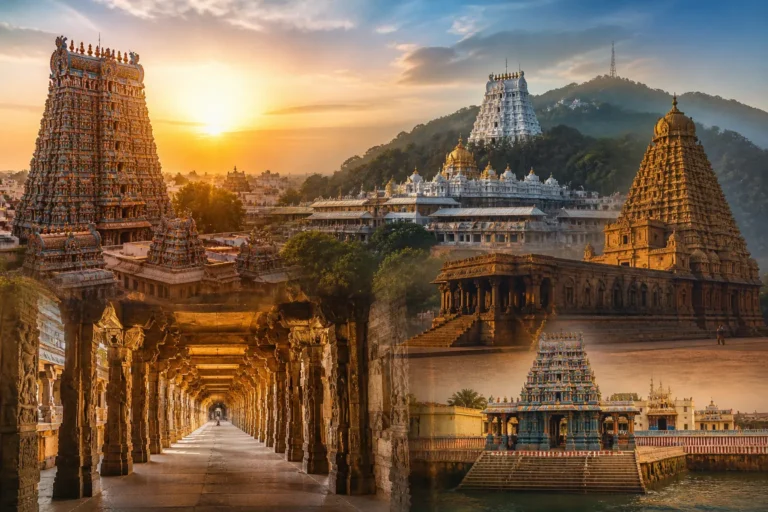
Cross the Vindhya mountain range into South India, and the cultural landscape transforms completely. Historically shielded from the invasions that swept through the North, Southern India has preserved ancient Dravidian traditions with remarkable continuity.
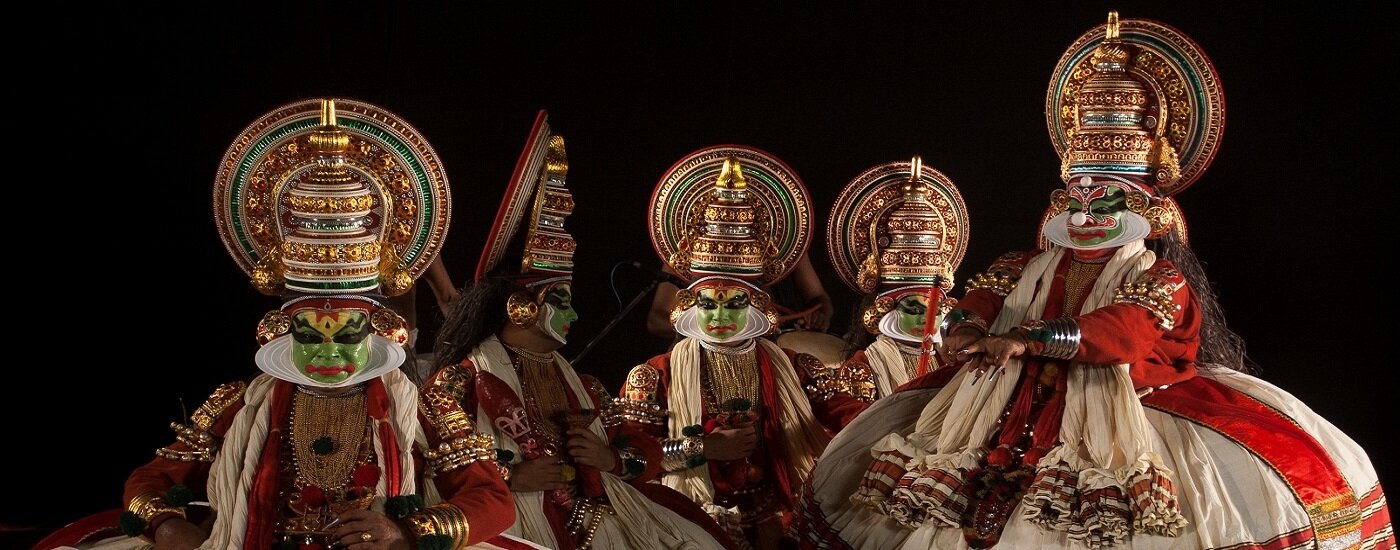
The most striking feature of the South is its monumental temple architecture. Cities like Madurai, Thanjavur, and Hampi are anchored by massive, intricately carved gopurams (temple towers) that dominate the skyline. These temples are active ecosystems of faith where classical arts thrive. South India is the birthplace of highly structured classical dance forms like Bharatanatyam and Kathakali, as well as Carnatic music, which remains a staple of daily life and festival celebrations.
Northeast India: Tribal Cultures and Forest Rituals
Often overlooked by first-time visitors, the Northeast is a frontier of immense ethnic and cultural diversity. Connected to the rest of India by a narrow corridor of land, this region shares borders with Bhutan, China, and Myanmar, and its traditions reflect these geographic ties.
The Northeast is home to over 200 distinct indigenous tribes, each with its own language, folklore, and animist or agrarian rituals. Life here is deeply intertwined with the forests and rivers. Festivals often celebrate the harvest, the changing of seasons, and the honoring of ancestral spirits, offering a completely different perspective on Indian heritage.
Top Cultural Experiences to Add to Your India Itinerary
An authentic itinerary should balance iconic landmarks with intimate, localized experiences. To truly grasp the culture and tradition of India for tourists, we highly recommend integrating the following pillars into your journey.
Witness a Festival
India’s calendar is dictated by the moon, the harvest, and ancient mythology, resulting in a year-round roster of celebrations. Participating in one is perhaps the most direct route to cultural immersion travel India can offer.
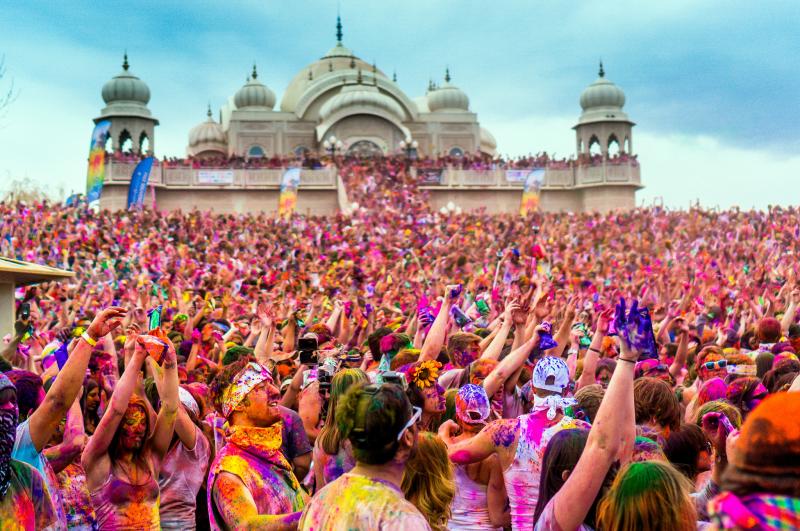
- Holi and Diwali: The festival of colors and the festival of lights are celebrated nationwide but take on spectacular proportions in North India.
- Eid: Marked by grand feasts, community prayers at historic mosques, and the sharing of traditional sweets like sheer khurma.
- Kullu Dussehra: Unlike the rest of India which ends its Dussehra celebrations on a specific day, Kullu begins its week-long international festival on that very day. Over 200 local deities are carried on palanquins to pay respects to Lord Raghunath. It is an absolute must-see for anyone interested in unique Indian traditions to witness.
- Losar: If you are exploring the high-altitude deserts of Spiti, the Tibetan New Year (Losar) brings the frozen landscapes to life with masked Cham dances.
Visit a Living Temple
Monuments are fascinating, but India’s active places of worship offer a profound look into the nation’s spiritual heartbeat.
- Hadimba Devi Temple, Manali: Surrounded by towering deodar cedar forests, this pagoda-style wooden temple is dedicated to a prominent figure from the Mahabharata. Visiting it is a cultural highlight of our Manali tour packages.
- The Golden Temple, Amritsar: The spiritual center of Sikhism offers a masterclass in community service through its Langar, a massive kitchen that feeds tens of thousands of people daily for free.
- Varanasi Ganga Aarti: The daily evening ritual of offering fire to the Ganges River is a mesmerizing orchestration of brass lamps, incense, and chanting.
Explore a Heritage Village
To step back in time and see how traditional life sustains itself, you must leave the cities behind. Heritage travel North India thrives in its rural outposts.
- Malana: An isolated village in Himachal where the locals claim descent from Alexander the Great’s army. They follow a strict, ancient democratic system and have their own distinct language.
- Chitkul: The last inhabited village near the Indo-Tibet border, offering a stunning look at Kinnauri culture, slate-roofed houses, and high-altitude agrarian life. Exploring villages like this is a core feature of our immersive Spiti Valley tour packages.
- Pragpur: Located in the Kangra Valley, this is India’s first certified Heritage Village, known for its cobbled streets and medieval architecture.
Learn a Traditional Craft
Art in India is rarely just decorative; it is deeply functional and historical. Engaging with artisans offers an intimate cultural exchange.
- Kullu Shawl Weaving: The geometric patterns woven into these woolen shawls signify different familial lineages and valleys. Watching a weaver operate a traditional handloom is mesmerizing.
- Chamba Rumal Embroidery: Once patronized by the royals of Himachal Pradesh, this is a unique style of pictorial embroidery often described as “needle painting.”
Indian Cultural Etiquette for Travelers
Navigating a new culture can be daunting, but Indians are famously forgiving and hospitable. However, making an effort to follow local etiquette will open doors, invite warm smiles, and significantly enhance your experience.
- What to wear at temples and monasteries: Modesty is the baseline. Whether you are entering a Hindu temple, a Sikh Gurudwara, or a Buddhist monastery, both men and women should have their shoulders and knees covered. Carrying a lightweight scarf is highly recommended, as covering your head is required in Gurudwaras and some temples.
- Dos and don’ts at religious sites: You must always remove your shoes before entering any place of worship, and typically before entering a local’s home. Slip-on shoes are a traveler’s best friend in India. Additionally, the left hand is historically associated with personal hygiene, so always use your right hand for eating, handing over money, or accepting gifts.
- Photography rules: While India is a photographer’s dream, exercise restraint. Never take photos inside the inner sanctum of a temple unless explicitly permitted. Always ask for permission before photographing locals, particularly women in rural areas.
- Tipping culture: Tipping is customary. In restaurants, a 10% tip is standard if a service charge hasn’t already been added. It is also polite to tip your driver and tour guide at the end of your journey as a gesture of appreciation.
- Respecting local customs: Understanding that conservative values govern much of public life (avoiding public displays of affection, for instance) shows respect for the community and ensures you are welcomed warmly wherever you go.
Best Time to Visit India for Cultural Experiences
India’s climate is as varied as its culture, so timing your visit depends entirely on what you want to experience.
For the grandest Indian festivals for tourists, plan your trip between October and November. This window features Dussehra and Diwali. The weather across most of the country transitions into a pleasant, cool autumn, making it ideal for comprehensive Himachal Pradesh tour packages as well as exploring the northern plains.
January to March is another phenomenal window. January brings harvest festivals like Lohri, while March is famous for Holi, where the weather is warming up just before the intense summer heat sets in.
Avoid the peak summer (April to June) for the North Indian plains, as temperatures soar. However, this is the absolute perfect time for Himachal hill culture. The mountain passes open, the weather is beautifully temperate, and high-altitude regions host various local fairs.
Winter (December to February) is ideal for exploring the deserts or the South. In Himachal, winter means the Losar festival and intimate monastery ceremonies against a backdrop of pristine snow.
Why Book a Cultural Tour with Suzu Travels
At Suzu Travels, our guides don’t just show you India — they grew up here. Headquartered in Ghumarwin, Himachal Pradesh, we are a Destination Management Company registered as a travel agent with Himachal Pradesh’s Department of Tourism & Civil Aviation (Reg. No. DTO-MND-11-243/2022), operating since 2019.
When you book with us, you bypass the crowded tourist traps. We leverage our deep community ties to offer authentic local access, small group settings, and curated cultural itineraries. You might find yourself sipping butter tea in a centuries-old Spiti home, watching a master weaver at work in a Kullu village, or securing the perfect vantage point for a bustling local festival.
We ensure that your pace and preferences dictate the journey, prioritizing your safety, comfort, and profound cultural connection.
Enquire now for your custom cultural tour → Contact Us
FAQ Section
Q1: What is the most important tradition in Indian culture?
A: It is difficult to single out one tradition, but the concept of Atithi Devo Bhava (The guest is equivalent to God) is arguably the most pervasive. This ancient philosophy dictates the incredible warmth and hospitality you will experience throughout your journey.
Q2: Which part of India has the richest cultural heritage for tourists?
A: Every region offers a distinct flavor. Rajasthan offers royal Rajput heritage, while the South offers ancient Dravidian temple culture. However, for a unique blend of indigenous mountain traditions, Tibetan Buddhism, and ancient Hindu mythology, heritage travel in North India—specifically Himachal Pradesh—is unparalleled.
Q3: How should I dress when visiting cultural sites in India?
A: Modesty is key. Both men and women should wear clothing that covers their shoulders and knees. Always carry a scarf to cover your head when entering Gurudwaras or specific Hindu temples, and remember that shoes must always be removed before entering places of worship.
Q4: Can Suzu Travels arrange cultural immersion tours in Himachal Pradesh?
A: Absolutely. As a Himachal Tourism-approved DMC, this is our specialty. We arrange everything from homestays in remote Kinnaur and Spiti villages to guided heritage walks, handicraft workshops, and front-row access to local festivals.
Q5: What is the best festival to experience Indian culture for the first time?
A: For first-time visitors, Diwali (Festival of Lights) in late autumn or Holi (Festival of Colors) in early spring are highly accessible. For a more localized, deeply traditional experience, the Kullu Dussehra in October offers a mesmerizing look at Himalayan deity culture.
Conclusion
India’s culture is not a museum exhibit safely locked behind glass—it is lived and breathed daily in the streets, homes, and temples across the country. An authentic cultural journey requires stepping out of your comfort zone and allowing the rhythms of the subcontinent to guide you.
From the architectural marvels of the plains to the serene, deeply spiritual rituals of the high Himalayas, there is a lifetime of discovery waiting for you here. We at Suzu Travels would be honored to be your cultural guides, translating the history, facilitating the connections, and ensuring your journey is transformative. Pack your bags, bring an open mind, and let us show you the true soul of India.