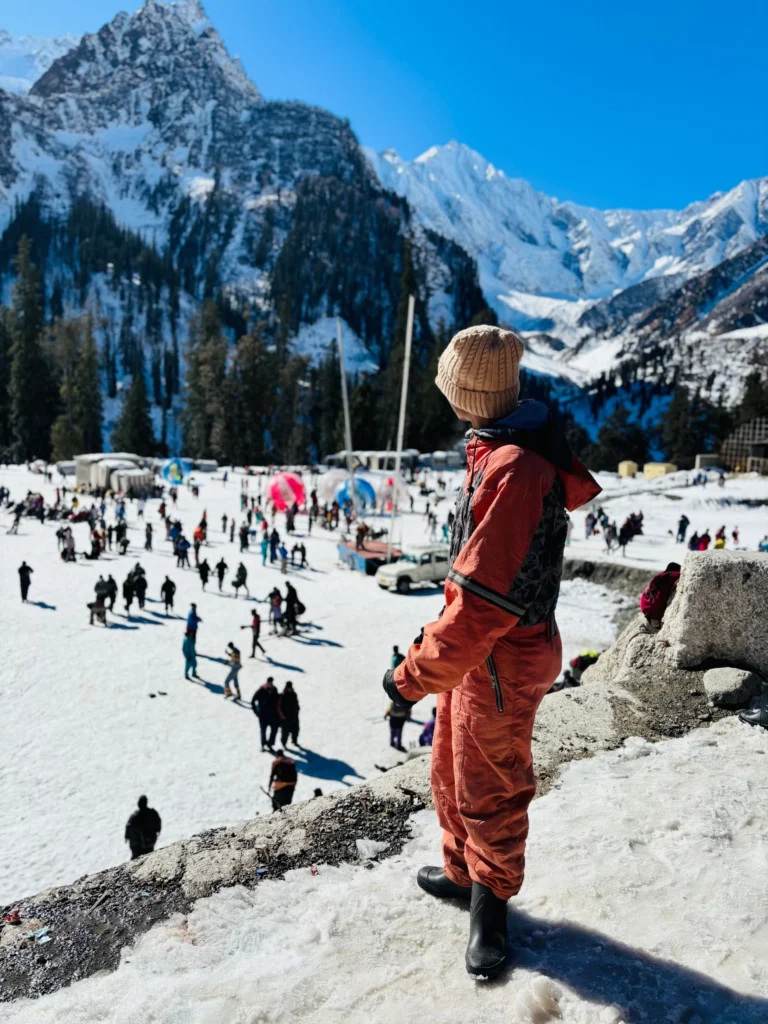
A 3-day Himachal tour package is perfect for a short mountain escape, but choosing the right destination is essential. Instead of trying to cover multiple hill stations, focus on one region to enjoy a relaxed and memorable holiday.
If you’re reading this, you’re probably in a similar situation. Whether you’re a working professional craving a quick nature reset, a couple planning a romantic escape, or a family looking for adventure without taking a full week off, this comprehensive guide will demystify everything you need to know about 3-day Himachal tour packages. I’ll share what I learned through extensive research, real traveler experiences, and insights from industry experts to help you make an informed decision for your next mountain adventure.
Understanding the Reality of 3-Day Himachal Packages
The first thing you need to understand is that not all Himachal tour packages for 3 days are created equal. When I started researching, I was surprised to discover that most standard itineraries advertised online suffer from a fundamental flaw: they try to pack too much into too little time. According to travel industry data, Himachal Pradesh attracts over 15 million tourists annually, with a significant percentage opting for short-duration getaways from North Indian urban centers. The problem is that the geography of this beautiful state works against rushed itineraries.
Let me break down the harsh transit reality I discovered. A journey from Delhi to Shimla takes approximately 7-9 hours by road, while Delhi to Manali requires a staggering 12-14 hours. That means if you’re starting from the capital, you could spend nearly 20 hours of your 72-hour trip inside a vehicle. This isn’t tourism—it’s travel fatigue in disguise. I made this mistake on my first Himachal trip years ago, visiting Shimla and Manali in a frantic three-day dash, and I returned home feeling like I needed another vacation to recover.
The tourism experts at platforms like TripAdvisor and Lonely Planet consistently advise against attempting to cover multiple major destinations in such a short timeframe. Mountain roads are notoriously prone to traffic jams, especially during peak season or adverse weather conditions. One rainy day on the Kalka-Shimla highway turned my six-hour journey into a ten-hour nightmare. The lesson? For a 3-day Himachal experience, you need to choose your base strategically.
Is 3 Days Enough for a Himachal Trip? The Expert Verdict
The short answer is: it depends entirely on your destination choice and travel method. When I asked several travel consultants and read through countless forum discussions, a consensus emerged that three days is generally considered insufficient for covering both Shimla and Manali in a single trip. However, three days can be absolutely magical if you focus on a single valley or region.
Here’s what makes the difference. If you fly into Bhuntar Airport (Kullu) or Jubbarhatti Airport (Shimla), you instantly save 7-12 hours of road travel. Suddenly, your three-day trip becomes much more viable. Local operators like Himachal tour package Shimla Manali specialists have recognized this reality and designed itineraries that minimize transit time while maximizing experiences.
The post-pandemic travel shift has also brought a new perspective to short-duration trips. Industry experts are pivoting away from “check-box tourism”—that exhausting pattern of visiting as many landmarks as possible. Instead, the “slow travel” movement advocates for deeper immersion in fewer places. For a three-day trip, this means choosing one beautiful location, settling into its rhythm, and truly experiencing what makes it special rather than racing through multiple destinations.
Breaking Down Typical 3-Day Himachal Package Options
Based on my research and personal trials, here are the most viable 3-day Himachal tour package options, each with distinct advantages:
Option 1: The Shimla Express
Shimla remains the most accessible hill station for short trips, especially from Chandigarh, which is just a 3-4 hour drive away. A typical Shimla 3-day itinerary might look like this:
- Day 1: Arrival in Shimla, Mall Road and Ridge walk in the evening
- Day 2: Excursion to Kufri and Jakhoo Temple
- Day 3: Local sightseeing (Christ Church, Scandal Point) and departure
Google Trends data shows that search volume for “Shimla 3-day package” remains highest among Tier-1 city dwellers in Delhi/NCR. This popularity makes sense—Shimla offers colonial charm, convenient infrastructure, and relatively straightforward logistics. However, visitors often report feeling like they’ve only scratched the surface of what the region has to offer.
Option 2: The Manali Adventure
Manali draws adventure seekers with its promise of mountain views, river rafting, and access to Rohtang Pass (seasonal). But here’s the catch: reaching Manali takes significantly longer, which eats into your exploration time. A realistic 3-day Manali itinerary would focus primarily on local experiences:
- Day 1: Arrival, Hadimba Temple, and Vashisht hot springs
- Day 2: Solang Valley or local sightseeing (weather permitting)
- Day 3: Mall Road shopping and departure
For those specifically interested in Manali adventures, I’ve found that operators focusing on Himachal tour package Shimla Manali combinations often provide better value than single-destination packages.
Option 3: The Hidden Gems Approach
This is my personal favorite approach for three-day trips, and it’s gaining traction among seasoned travelers. Rather than fighting traffic to reach overcrowded destinations, why not explore the hidden gems within 3 hours of Chandigarh? Places like Kasauli, Chail, and Narkanda offer authentic mountain experiences without the chaotic crowds.
- Kasauli: A quiet British-era cantonment with walking trails and stunning sunset points
- Chail: Home to the world’s highest cricket ground and serene pine forests
- Narkanda: A skiing destination that transforms into a lush green paradise in other seasons
Ministry of Tourism data reveals that Himachal Pradesh has the highest “Repeat Visitor” rate in North India, and these returning tourists increasingly gravitate toward off-beat locations like Bir-Billing, Kasol, and Jibhi after their first rushed trip to main hubs. This pattern tells me that experienced travelers have learned what many first-timers haven’t: slower, deeper travel produces better memories.
Understanding the Cost Breakdown
When I planned my first Himachal trip, the price variations between packages confused me immensely. Let me share what I learned about Himachal tour package pricing for 3 days. If you’re working with a specific budget, you might want to check out this complete 2026 budget guide for Himachal trips that covers everything from budget-friendly options to mid-range and luxury experiences.
Budget-Tier Packages (₹8,000 – ₹12,000 per person)
These typically include:
- Shared accommodation in budget hotels or guesthouses
- Shared transportation or public transport
- Basic meal plans (usually breakfast only)
- Standard sightseeing with limited flexibility
The main drawback is the lack of personalization—you’re often part of a larger group with fixed schedules, which can be frustrating when you want to linger at a beautiful spot or skip something that doesn’t interest you.
Mid-Range Packages (₹12,000 – ₹20,000 per person)
This category usually offers:
- Private AC sedan transport for all transfers and sightseeing
- Handpicked 3-star accommodation with meal plans
- More balanced itineraries designed to minimize travel stress
- Flexible timing for activities
From my experience, this is where the sweet spot lies for most travelers. You get comfort without breaking the bank, and the private transport option alone can save hours of collective waiting time.
Luxury Packages (₹20,000 – ₹35,000+ per person)
These premium options typically include:
- Premium hotels, resorts, or boutique homestays
- Private SUV or luxury vehicle transport
- All meals at quality restaurants
- Premium activities (private rafting, paragliding, etc.)
- Dedicated tour coordinator
Seasonality dramatically affects pricing. During peak season (April-June) and snow season (December-January), prices can spike by 40-60% due to high demand. If you have flexibility in your travel dates, shoulder seasons like October-November or February-March offer beautiful weather at more reasonable prices.
Best Time to Book Your 3-Day Himachal Package
The timing of your visit fundamentally shapes your experience. Based on research and conversations with local tour operators, here’s my seasonal breakdown. For a detailed month-by-month guide to planning your visit, I recommend looking at the ultimate seasonal guide for visiting Himachal which covers weather patterns, crowd levels, and what each season offers.
Snow Season (December – February)
This is when Himachal transforms into a winter wonderland. Manali and higher elevations receive heavy snowfall, creating magical landscapes perfect for snow lovers. However, this period also brings challenges:
- Roads to higher regions may be closed or requires permit (like Manali-Leh highway)
- Cold temperatures require proper winter gear
- Highest pricing due to peak tourist demand for snow experiences
- Travel disruptions due to weather are common
If you’re specifically seeking snowfall, Shimla and its nearby areas like Kufri and Narkanda become excellent options during this period, with better accessibility than remote destinations.
Spring and Early Summer (March – June)
This is the most popular time for Himachal tourism, and for good reason. Flowers bloom across the valleys, temperatures are pleasant, and most attractions are fully accessible. The trade-off is crowds and higher prices. Adventure activities like paragliding in Bir-Billing, river rafting in Kullu, and trekking in various valleys are at their peak during these months.
Monsoon (July – September)
Himachal receives heavy rainfall during monsoon, which creates stunning green landscapes but also brings risks. Landslides are common on mountain roads, and some remote areas become inaccessible. However, if you stick to established destinations like Shimla, Kasauli, or Chail, you can still have a wonderful experience with fewer crowds and lower prices. The lush vegetation during this period is genuinely spectacular.
Autumn (October – November)
This is my personal favorite time for Himachal visits. The monsoon dust has settled, the air is crystal clear, and you get magnificent views of distant peaks. Apple orchards are harvested, and local festivals bring cultural richness to your experience. The weather is comfortable, crowds have thinned, and prices are more reasonable than peak season.
The Workation Angle: Combining Remote Work with Leisure
Here’s a trend I hadn’t anticipated when I first started researching 3-day Himachal packages: the rise of the “workation.” With remote work becoming normalized, many professionals are seeking quick getaways that don’t completely disconnect them from their work responsibilities.
The key to a successful workation in Himachal is choosing accommodation with reliable high-speed internet. Many homestays and boutique hotels now specifically market themselves as “workation-friendly,” offering:
- Stable WiFi connections (even in remote areas)
- Dedicated workspaces or quiet corners
- Flexible check-in/check-out timings
- Access to cafes with power outlets
Destinations like Kasol, Bir, and Jibhi have emerged as popular workation spots, offering the perfect blend of scenic beauty and productivity. A well-structured 3-day itinerary at one of these locations could theoretically include morning work sessions, afternoon exploration, and evening relaxation—maximum value from limited time.
Practical Packing Tips for Your 3-Day Himachal Trip
Regardless of the season you visit, mountain temperatures fluctuate significantly between day and night. This is perhaps the most consistently emphasized advice from every expert source I consulted. Here are the essentials I always pack:
Clothing Essentials
- Layers: Carry multiple light layers rather than one heavy jacket. This allows you to adjust to changing temperatures throughout the day.
- Comfortable walking shoes: You’ll likely do more walking than expected, and mountain trails are uneven.
- Waterproof jacket: Mountain weather can change rapidly, especially during monsoon or winter.
- Warm layer for evenings: Even in summer, nights in the hills can get quite cold.
Document and Financial Essentials
- Valid ID: Carry government-issued photo ID (required for hotel check-ins and certain permits)
- Cash: While major towns have ATMs, smaller villages may not, and mobile network issues can prevent digital payments
- Booking confirmations: Physical or digital copies of all your reservations
Health and Safety
- Basic medications: Diamox for altitude sickness, personal prescriptions, basic first-aid
- Sunscreen and lip balm: UV exposure is higher at altitude
- Power bank: You’ll be away from charging points during sightseeing
- Reusable water bottle: Stay hydrated and reduce plastic waste
Solo vs. Group Travel: Which Works Better for 3-Day Trips?
Through my research, I discovered an interesting insight that I hadn’t initially considered: 3-day trips are often better suited for solo travelers or couples than for large families. Here’s why:
Solo travelers and couples can be more flexible with their schedules. They can wake up early to catch sunrise at a viewpoint, stay late at a local café, or change plans entirely based on weather or mood. Large families, especially with children or elderly members, face challenges with:
- The pace of travel required to see multiple attractions
- Varied energy levels and interests within the group
- Meal preferences and dietary restrictions
- Need for rest breaks and comfortable transportation
That said, family trips to Himachal can be wonderful with the right expectations. Rather than trying to “see everything,” focus on a few quality experiences that cater to different age groups. A relaxing three days in Shimla with gentle walks, good food, and family bonding time often creates better memories than a rushed adventure.
Common Mistakes to Avoid in Your 3-Day Himachal Package
Having made several trips and researched extensively, I’ve identified the most common pitfalls travelers fall into:
Mistake 1: Over-ambitious Itineraries
The temptation to pack as much as possible is natural, especially when you don’t know when you’ll return. But spreading yourself too thin leads to exhaustion rather than enjoyment. Choose two or three quality experiences over five or six rushed ones.
Mistake 2: Ignoring Transit Times
When calculating your actual time at the destination, always subtract travel time. A package that advertises “visiting three cities in three days” might only give you a few hours in each place. The actual time spent at destinations is what matters.
Mistake 3: Skipping Meal Plans
Budget packages that exclude meals might seem cheaper upfront, but Himachal’s food options in tourist areas can be surprisingly expensive. A good Himachal tour package with meals included not only saves money but also saves the mental energy of constantly searching for restaurants.
Mistake 4: Ignoring Weather at Your Specific Altitude
Weather can vary dramatically between the base town and nearby attractions. Manali at 2,050m might be sunny while Solang Valley at 2,135m or Rohtang Pass at 3,978m could be experiencing snowfall. Always check conditions for your specific destinations, not just the main town.
Why Slow Travel Matters in Himachal
As I mentioned earlier, there’s a significant shift happening in how people approach short-duration travel to Himachal. The carbon footprint awareness movement has given this shift an environmental dimension as well. Here’s what slow and sustainable travel in Himachal looks like:
- Local food priority: Eating at local restaurants rather than chains supports the community and offers authentic culinary experiences
- Homestay over hotels: Smaller accommodations have lower environmental impact and offer deeper cultural immersion
- Minimizing unnecessary transit: Staying in one place rather than constantly moving reduces your carbon footprint
- Supporting local guides: Hiring local guides rather than traveling with outside operators keeps tourism money in the community
This approach isn’t just environmentally responsible—it’s also better for your travel experience. When you truly settle into a place for a few days, you start noticing details that rushed tourists miss: the sound of a distant temple bell, the way afternoon light filters through pine forests, the stories your homestay host shares over dinner.
Making the Most of Your 3 Days: Final Recommendations
After all this research and personal experience, here’s my synthesis of how to truly maximize a 3-day Himachal tour package:
- Choose one base strategically: Don’t try to cover Shimla AND Manali. Pick one region and explore it thoroughly.
- Consider flying if possible: The time saved by flying into Kullu or Shimla airports can transform your experience.
- Invest in private transport: For short trips, the flexibility of a private cab is worth every rupee. No waiting for other passengers, no fixed departure times.
- Book handpicked accommodation: A comfortable place to rest makes a huge difference when every hour is precious.
- Include meals in your package: This eliminates daily decision-making and ensures you’re well-fed throughout your trip.
- Set realistic expectations: Three days won’t let you “see everything.” Focus on creating quality memories instead of checking boxes.
Suzu Travels offers seamless Himachal tour packages, combining comfortable private transport with well-curated itineraries for a stress-free mountain getaway. Their approach aligns perfectly with what I’ve learned about optimal three-day travel—focused experiences, minimized transit stress, and quality accommodation that becomes part of the memory rather than just a place to sleep.
Your Next Steps
If this guide has helped you understand what a 3-day Himachal tour package can offer, here are your actionable next steps:
- Determine your priorities: Adventure? Relaxation? Scenic beauty? Family time? Your goals will shape which package suits you best.
- Check your calendar: Identify potential travel dates and research weather conditions for that period.
- Set your budget: Knowing whether you’re in the budget, mid-range, or luxury category will narrow your options quickly.
- Research operators: Look for reviews, ask for detailed itineraries, and don’t hesitate to ask questions about what’s included.
- Book early during peak seasons: Three-day packages are popular; last-minute bookings often mean limited options or premium pricing.
Whether you’re escaping Delhi’s chaos for a quick breath of mountain air or planning a romantic getaway with your partner, Himachal Pradesh has something magical to offer—even in just three days. The key is going in with realistic expectations, a focused itinerary, and the flexibility to embrace whatever the mountains throw your way.
My own three-day escapes have become non-negotiable parts of my yearly routine now. There’s something profoundly reset-giving about trading laptop screens for pine-scented air, even if just for a long weekend. The mountains aren’t going anywhere, and neither is your desire to visit them. But with proper planning, your next Himachal tour package for 3 days can be exactly the refreshing break you need—without the exhaustion that comes from trying to do too much in too little time.
Start planning your trip today. Your perfect mountain escape is waiting.