
I still remember my first monsoon trek in the Garhwal Himalayas. The mountains, typically stark and imposing, transformed into a canvas of a thousand shades of green, with waterfalls cascading down every slope like ephemeral ribbons. It was breathtaking, yet the constant drizzle and the sudden sight of a minor landslide reminded me that beauty in Uttarakhand during the monsoon comes with a crucial caveat: preparedness. As a Certified Travel Planner specializing in Himalayan adventures, I’ve learned that while the ‘green season’ offers unparalleled serenity, it demands respect and meticulous planning. This isn’t just about packing an extra raincoat; it’s about a complete Uttarakhand Monsoon Survival Guide: What to Pack and Where to Go, ensuring your experience is magical, not catastrophic.
1. The Monsoon Unveiled: Understanding Uttarakhand’s Green Season Risks
Uttarakhand’s monsoon, typically from late June to mid-September, paints the landscape vibrant green but also brings significant challenges. The state receives an average of 1,200mm to 2,500mm of rainfall annually, with 70–80% concentrated during these months. This heavy downpour saturates soil, making the region highly susceptible to landslides and flash floods.
According to the Geological Survey of India, over 15% of Uttarakhand is prone to high-intensity landslides. Experts from the Wadia Institute of Himalayan Geology (WIHG) specifically advise against high-altitude trekking during heavy rainfall, citing the risk of ‘saturated soil slopes’ triggering debris flows.
Infrastructure takes a hit too; the Border Roads Organization (BRO) reports a daily average of 10–15 road blockages on key arterial roads (like NH-58, NH-94) in peak monsoon. Always check local advisories before venturing out.
2. Your Essential Uttarakhand Monsoon Survival Guide: What to Pack Smartly
Beyond your regular travel kit, a specialized monsoon packing list is non-negotiable for Uttarakhand. Think layers, waterproofing, and emergency essentials.
- Waterproof Gear: A sturdy rain jacket and trousers, waterproof trekking shoes (or gumboots for light walks), and a rain cover for your backpack are paramount.
- Emergency Kit: Disaster management experts strongly advise carrying an emergency kit. This ‘satchel’ should contain essential documents (in plastic sleeves), a fully charged power bank, a basic first-aid kit, and some dry rations.
- Warm Layers: Even with rain, mountain temperatures can drop. Fleece jackets, thermals, and warm socks are crucial.
- Quick-Dry Clothing: Synthetic fabrics that dry fast are better than cotton.
- Offline Maps & Navigation: Mobile networks are often the first to fail during heavy spells. Download offline maps (Google Maps is great for this) and consider a physical map as a backup.
3. Navigating the Rains: Where to Go (and Avoid) in Uttarakhand
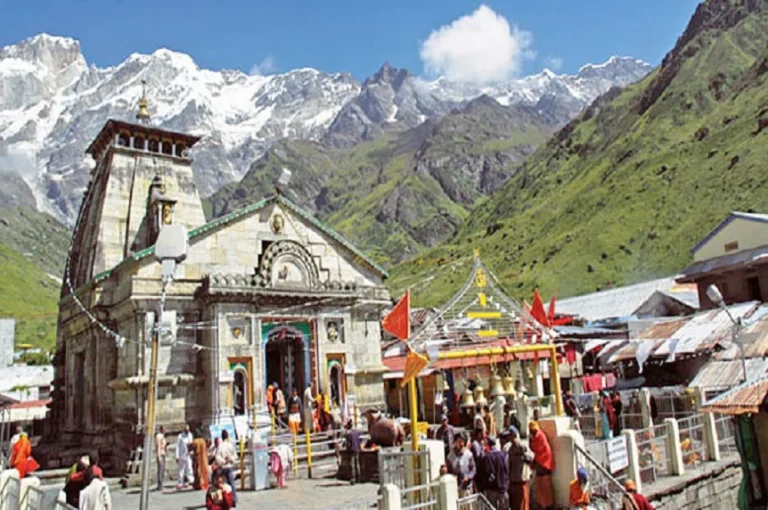
The question of ‘Where to Go’ in Uttarakhand during monsoon is crucial. While the Char Dham circuit (Badrinath, Kedarnath, Gangotri, Yamunotri) is sacred, the IMD Dehradun Centre’s ‘Red Alert’ protocol means travel there should be strictly avoided. The Rishikesh-Badrinath route (NH-7) and the Gangotri-Yamunotri highways are particularly susceptible to rockfalls.
Instead, embrace ‘Slow Travel.’ Pick one safe, lower to mid-altitude destination and truly experience it, rather than hopping between vulnerable mountain roads. Safer monsoon destinations include:
- Mussoorie & Landour: These hill stations, an easy taxi ride from Dehradun, have relatively more stable infrastructure and offer misty charm.
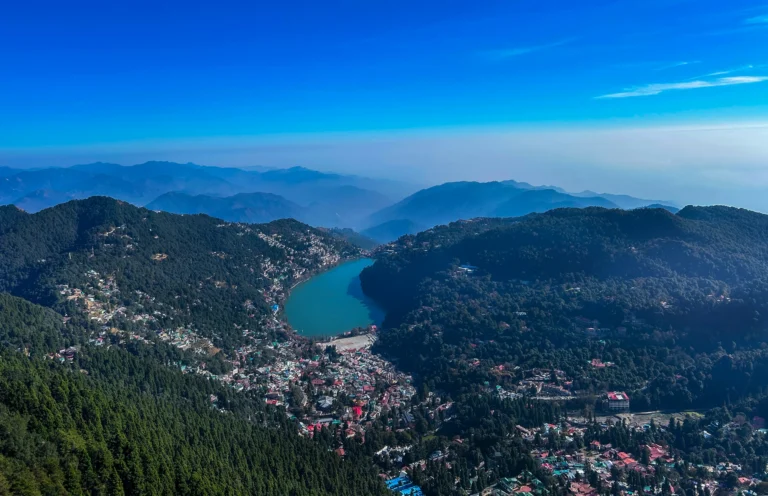
- Ranikhet & Almora (Kumaon Region): Known for their serene beauty and generally safer road conditions. The lake country around Bhimtal and Jim Corbett, and our 4-day Nainital itinerary, sit at similar altitudes and stay accessible through most of the season. For those looking for an immersive experience, consider exploring offbeat homestays in Pithoragarh district and other parts of Kumaon, though vigilance is always key.
- Dehradun & Rishikesh: While gateway cities, they offer monsoon beauty along the Ganga, away from deep mountain risks, making them viable options.
During the 2023 floods, the suspension of Char Dham Yatra in regions like Pauri Garhwal highlighted that travelers following early warnings, especially via apps like Damini (for lightning alerts), avoided being stranded.
4. Staying Connected & Safe: Monsoon Digital Nomad Reality Check
For remote workers or those who rely on connectivity, the Himalayan monsoon poses a unique challenge. Mobile networks frequently experience outages, and power cuts are common. My advice? Manage expectations and prepare alternatives.
- Power Backup: Carry multiple power banks and consider a solar charger for smaller devices.
- Offline Work: Plan your work to be largely offline-compatible.
- Satellite Messengers: For those venturing into more remote, higher-altitude areas, devices like Garmin InReach offer reliable two-way communication and SOS functions, independent of cellular networks.
5. Embrace the Verdant Beauty: The Soulful Side of Monsoon Uttarakhand
While safety is paramount, let’s not forget the magic. The monsoon in Uttarakhand is often called the ‘Green Season’ for a reason. Waterfalls burst to life, clouds blanket the valleys in a mystical embrace, and the air is impossibly fresh. This ‘Monsoon Eco-Psychology’ offers spiritual solitude, a chance to reconnect with nature’s raw power and rejuvenate away from the usual crowds.
With a 60–70% drop in tourist footfall during these months, you’ll also find significant off-season discounts and a more authentic, less hurried travel experience. Just ensure you’re in a geologically safe zone.
6. Responsible Travel: Supporting Uttarakhand’s Resilience
My experience has taught me the importance of ethical and responsible travel. The monsoon can place immense burden on local infrastructure and communities. If government advisories discourage travel, heed them. Visiting during an ongoing disaster puts unnecessary strain on Search and Rescue (SAR) teams and local resources. Instead, support local businesses that practice sustainable tourism and are prepared for the season.
7. Conclusion: Your Adventure Awaits, Responsibly
The monsoon transforms Uttarakhand into a mystical wonderland, offering unique beauty to those who embrace it responsibly. By following this Uttarakhand Monsoon Survival Guide: What to Pack and Where to Go, you’re not just ensuring your own safety, but also respecting the powerful rhythm of the Himalayas. Plan smart, pack right, and prepare for an unforgettable, safe adventure amidst nature’s glorious rejuvenation.