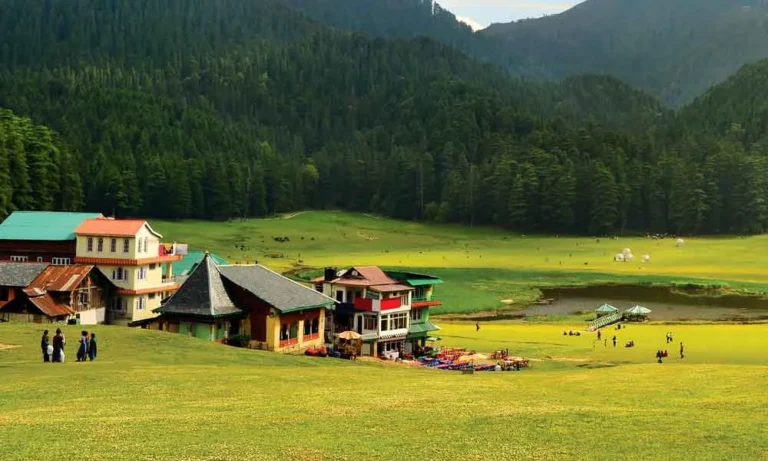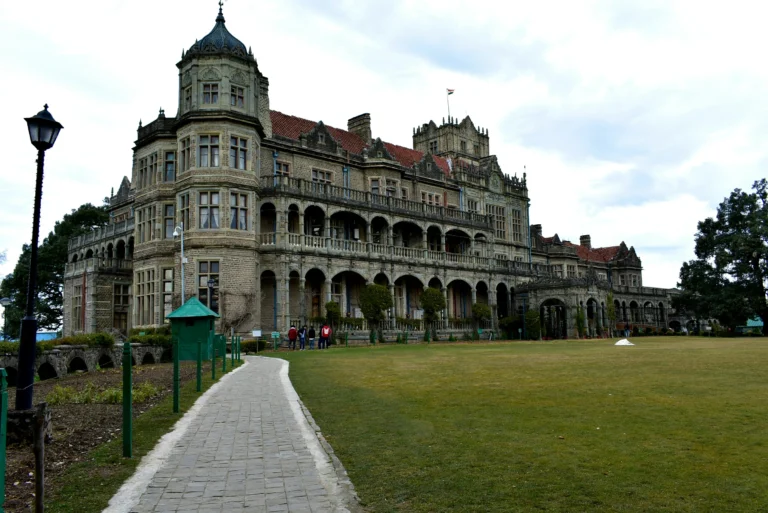

Picture this: a pristine winter wonderland, crisp mountain air, and fresh snow dusting the pine trees of the Himalayas. Now, overlay that image with thousands of idling car engines, honking horns, and a bumper-to-bumper gridlock stretching for miles. This is the stark, chaotic reality facing Himachal Pradesh as year-end travelers flock to iconic hill stations like Shimla, Manali, Dharamshala, and Kullu.
While the winter season promises magical snowfall and festive celebrations, the sheer volume of tourists has pushed the state’s infrastructure to a breaking point. Overtourism is no longer a future threat; it is a present-day crisis affecting travelers and local residents alike. Understanding the depth of this issue is crucial for anyone planning their next mountain getaway.
The Year-End Gridlock: Himachal Pradesh by the Numbers
During the peak holiday season, the influx of travelers into the state reaches staggering heights. Recent data reveals that daily vehicle inflow into Shimla alone spikes to between 8,000 and 10,000 vehicles. With over 300,000 tourists expected to enter the region in the days leading up to New Year’s Eve, local routes are simply unable to handle the load.
This overwhelming traffic has led to severe consequences on the ground:
- Stranded in the Snow: A sudden bout of fresh snowfall near Solang Valley and the critical Atal Tunnel recently left nearly 1,000 vehicles stranded in freezing temperatures.
- Emergency Rescues: Local authorities were forced to deploy over 400 police personnel to manage the chaos, successfully rescuing around 700 stranded tourists and moving them to safety.
- Hours-Long Delays: Trips that normally take 30 minutes under regular conditions are now stretching into grueling four-to-six-hour waiting game on narrow, winding mountain roads.
The Ecological Cost of Overtourism
The economic benefits of tourism are undeniable—it fuels local businesses, hotels, and transport services, providing livelihoods for thousands. However, this economic windfall is a double-edged sword. Uncontrolled mass tourism is putting immense pressure on the fragile Himalayan ecosystem.
To keep up with the endless demand for accommodation, rapid and often unregulated construction of hotels, homestays, and roads has taken over the hillsides. This rapid urbanization leads to mass deforestation and habitat loss, disrupting wildlife corridors and weakening the soil. During the monsoon, this weakened terrain often triggers devastating landslides, a direct consequence of unplanned development during the dry winter and summer peak seasons.
Moreover, the sudden spike in population during holidays strains local water supplies and leads to an overwhelming accumulation of plastic waste and garbage, spoiling the very natural beauty tourists travel to see.
Rewriting the Narrative: How to Travel Himachal Responsibly
The solution is not to stop traveling to Himachal Pradesh altogether, but rather to shift how we travel. Sustainable tourism is the key to preserving these beautiful destinations for generations to come. Here are a few ways you can help break the cycle of overtourism:
1. Explore Offbeat Alternatives
Instead of heading straight to overcrowded hubs like Shimla’s Mall Road or Manali’s main town, consider exploring quieter, lesser-known gems. Destinations like Jibhi, Barot Valley, Kalpa, Janjehli, or Bir Billing offer spectacular views, authentic local culture, and a fraction of the crowds.
2. Choose Off-Peak Timing
If you have your heart set on Shimla or Manali, try planning your visit during the shoulder seasons. Visiting in early December, late January, or the spring months allows you to experience the beauty of the hills without the stress of gridlock traffic and inflated hotel prices.
3. Respect the Local Environment
Practice leave-no-trace travel. Carry reusable water bottles, avoid single-use plastics, and dispose of your trash responsibly. Choose eco-friendly homestays that employ local staff, utilize solar power, and practice water conservation.
4. Use Public or Shared Transport
Consider taking the toy train to Shimla or booking state-run electric buses to reduce the number of individual cars clogging narrow mountain passes. Once at your destination, explore on foot or use local eco-cabs where available.
Frequently Asked Questions (FAQs)
Why is overtourism such a severe problem in Himachal Pradesh during winter?
Himachal Pradesh experiences a massive influx of tourists seeking snow and holiday celebrations around Christmas and New Year. Because the infrastructure of narrow mountain roads and limited parking was not designed to handle tens of thousands of vehicles simultaneously, heavy gridlock, resource shortages, and safety hazards occur.
What happened near the Atal Tunnel recently?
Due to sudden heavy snowfall and high traffic volume, nearly 1,000 vehicles became stranded between Solang Valley and the Atal Tunnel. Local police deployed massive resources to rescue approximately 700 tourists who were stuck in freezing conditions.
What are some sustainable travel alternatives to Shimla and Manali?
To avoid crowds and support local communities, consider visiting offbeat spots such as Jibhi in the Tirthan Valley, Sethan, Shoja, Rakchham, or the scenic villages of the Spiti Valley. These locations offer stunning scenery and a much quieter, eco-friendly experience.
How can I reduce my carbon footprint when visiting the Himalayas?
You can minimize your impact by opting for public transportation (like HRTC buses), avoiding single-use plastics, staying in eco-conscious homestays, respecting local wildlife, and keeping your waste managed responsibly.