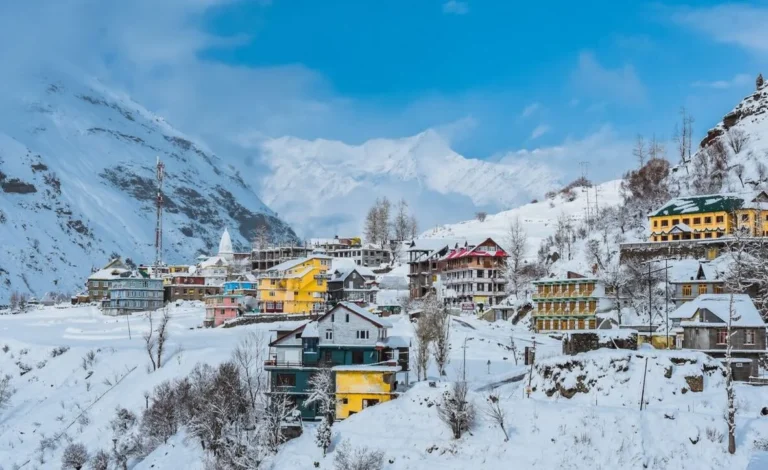

Imagine standing amidst the breathtaking vistas of Gulmarg or the serene valleys of Pahalgam, only to notice the faint rustle of plastic or the distant hum of unchecked development. For many, Kashmir has always been a dream destination, but its recent, historic tourism surge, while economically vital, has cast a long shadow on its delicate ecosystem. The question on every discerning traveler’s mind today is: Can paradise truly be preserved?
As a Certified Travel Planner at Suzu Travels, specializing in Himalayan destinations, I’ve witnessed firsthand the transformation and the urgent need for a more mindful approach. The good news? Kashmir is experiencing a profound Green Awakening, with eco-conscious tours emerging as the vanguard, redefining sustainable travel and directly boosting local communities. This isn’t just a trend; it’s a movement towards responsible tourism that preserves the unparalleled beauty of the valley for generations to come.
The Challenge: Preserving Paradise Amidst a Tourist Boom
Kashmir recorded over 21 million tourist arrivals in 2023, a monumental figure reflecting its magnetic appeal. While joyous, this surge brings immense pressure. Tourist hubs like Gulmarg and Pahalgam grapple with 50-70 tons of solid waste daily during peak seasons, as reported by the Pollution Control Committee (PCC). Conservationists from the Wildlife Trust of India (WTI) have voiced concerns that unregulated tourism in high-altitude meadows is compacting soil and disturbing migration corridors for endangered species like the Hangul (Kashmir Stag).
Key Takeaway: Unchecked tourism, while economically beneficial, poses significant threats to Kashmir’s fragile ecology and wildlife habitats.
Kashmir’s Green Awakening: A Shift Towards Eco-Conscious Travel
The solution lies in embracing sustainable practices, and Kashmir is leading the charge with innovative initiatives. The “My Youth My Pride” and “Swachh Bharat” campaigns now integrate environmental clean-ups directly with tourism activities. More significantly, the Department of Tourism’s Homestay Policy (2022) has catalyzed a revolution, with nearly 3,000 homestays registered by early 2024.
The Homestay Revolution: Empowering Local Communities
This policy decentralizes tourism, moving away from overcrowded hotels and directly into the heart of Kashmiri villages. Village women, in particular, are becoming primary stakeholders, transforming traditional homes into eco-friendly accommodations. This Community-Based Tourism (CBT) model ensures that up to 60% of tourism revenue remains local, directly funding village families and local infrastructure rather than flowing to corporate chains. It’s a powerful economic boost rooted in authenticity.
Green Trekking & Leave No Trace Principles
For adventure enthusiasts, the shift is palpable. Local tour operators are now staunch advocates of Leave No Trace (LNT) principles. High-altitude trekking trails now feature mandatory baggage checks to prevent non-biodegradable waste. I’ve seen firsthand how new generations of Kashmiri mountaineers are actively participating in clean-up drives, tackling legacy waste from decades past, especially on popular routes like the Great Lakes Trek. They’re not just guiding; they’re guarding the mountains.
Beyond the Crowds: Discovering Low-Impact Gems
The desire for solitude and nature-immersive experiences has driven a 35% increase in demand for offbeat destinations among domestic travelers. Places like Doodhpathri, the serene Gurez Valley, and Yusmarg are being actively promoted as low-impact, high-nature-value alternatives to traditional hotspots.
- Gurez Valley Model: This region is pitched as an “Eco-Tourism Model” where vehicle access is limited, encouraging tourists to utilize local ponies, thereby preserving the valley’s carbon-neutral ethos.
- Bangus Valley & Yusmarg: These areas offer pristine landscapes ideal for those seeking an authentic, less intrusive interaction with nature.
Wular Lake Conservation: A Model for Biodiversity
The initiatives extend to vital ecosystems. Sustainable boating and bird-watching tours on Wular Lake exemplify how local fishing communities are directly linked to the protection of migratory bird habitats. This symbiosis ensures both ecological preservation and livelihood security.
Your Role in Kashmir’s Green Awakening Today
As a traveler, your choices have power. By opting for eco-conscious tours and choosing to stay in registered homestays, you directly contribute to Kashmir’s sustainable future. Embrace Kashmir’s Green Awakening by adhering to LNT principles, supporting local artisans, and discovering its hidden, pristine corners.
Kashmir is more than just a destination; it’s a living, breathing ecosystem and a vibrant culture. Let’s explore it mindfully, ensuring its breathtaking beauty remains unspoiled for every journey yet to come.